



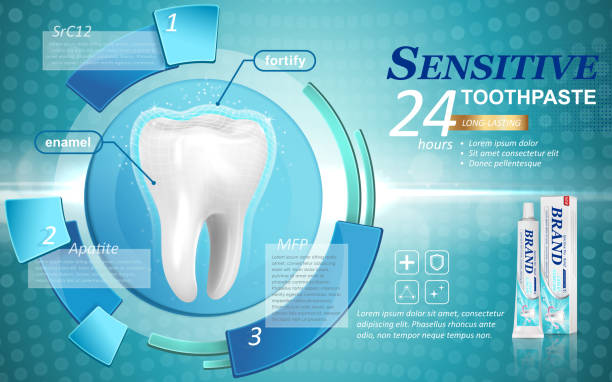
Tooth sensitivity can stop you in an instant. Cold water hits a nerve. Hot coffee burns. Even breathing in cool air can feel sharp. You may start to chew on one side. You may avoid certain foods. You may worry that pain means something serious. A general dentist understands this daily strain. The dentist looks for the cause. Thin enamel, receding gums, grinding, or decay each need a different plan. You do not have to guess or suffer in silence. Instead, you can work with a trusted dentist in Scarsdale who uses clear steps to calm sensitivity. The dentist measures your pain, checks each tooth, and explains what is happening in plain words. Then you agree on treatment that fits your life. Small changes in care, targeted office treatments, and steady follow up can protect your teeth and help you feel steady again.
Why Teeth Feel Sensitive
Teeth should feel stable. When they hurt, something has changed inside.
Each tooth has a hard shell of enamel. Under that is dentin with tiny tubes that lead to the nerve. When enamel wears away or gums pull back, those tubes open. Then heat, cold, touch, or sweet food reach the nerve and you feel pain.
Common causes include three patterns.
- Enamel wear from hard brushing, acidic drinks, or age
- Gum recession from gum disease or grinding
- Damage such as cavities, cracked teeth, or worn fillings
A dentist sorts through these causes. The goal is simple. Protect the nerve. Stop the trigger.
How Your Dentist Finds the Cause
The first step is a clear exam. You share when the pain starts, how long it lasts, and what sets it off. The dentist listens for patterns.
Next, the dentist checks three things.
- Teeth. Look for wear, cracks, and decay
- Gums. Checks for swelling, bleeding, or recession
- Bite. Watch how your teeth meet when you close or grind
The dentist may take X-rays when needed. That helps reveal hidden decay or deeper nerve problems. The goal is not guesswork. The goal is a clear match between cause and treatment.
Everyday Care Changes That Help
Many treatment plans start with home care. Three simple changes can ease pain and protect teeth.
- Use fluoride toothpaste for sensitive teeth. The ingredients block the tiny tubes in dentin
- Brush with a soft-bristle brush. Use gentle strokes. Do not scrub
- Limit acidic drinks like soda and sports drinks. Rinse with water after you drink them
The dentist may also suggest a fluoride mouth rinse. Fluoride hardens enamel. That can cut down on pain over time.
The Centers for Disease Control and Prevention explains how fluoride protects teeth at this link.
Office Treatments For Sensitive Teeth
If home care is not enough, your dentist has focused treatments. These aim to block pain paths, rebuild enamel, or repair damage.
| Treatment | How It Works | Best For | Typical Time |
|---|---|---|---|
| Fluoride varnish | Painted on teeth to harden enamel and calm nerves | Mild to moderate cold or heat sensitivity | One short visit. Often repeated |
| Desensitizing coatings | Thin layer that seals dentin tubes | Exposed roots or worn enamel | One visit. May need touch-ups |
| Bonding | Tooth colored material covers exposed root or worn spots | Recession, chips, or uneven wear | One visit for a few teeth |
| Filling or crown | Removes decay and rebuilds shape | Cavities or cracked teeth | One or two visits |
| Root canal | Removes damaged nerve and seals tooth | Severe pain or deep infection | One or more visits |
The dentist explains each choice, what it does, and how it feels. You decide together how quickly to move and which teeth to treat first.
When Grinding or Clenching Causes Pain
Many people grind or clench teeth at night. Some do not know until a partner hears it or a dentist sees flat spots.
Grinding can do three harmful things.
- Wear down enamel
- Strain the jaw joint and muscles
- Cause small cracks that open paths to the nerve
Your dentist may suggest a custom night guard. This clear shield fits over your teeth. It spreads out pressure and protects enamel. The dentist may also check your bite and smooth small high spots so that teeth meet more evenly.
Gum Treatment For Exposed Roots
When gums pull back, roots show. Root surfaces do not have enamel. They feel pain faster.
A dentist or gum specialist may use three steps.
- Deep cleaning to remove plaque and tartar under the gumline
- Medicated rinses or local antibiotics when infection is present
- Gum graft surgery for severe recession on key teeth
Even simple cleaning and careful home care can help gums stay stable and stop more root exposure.
How To Protect Your Teeth Long Term
To keep sensitivity from coming back, you need steady habits. Focus on three routines.
- Brush twice a day with fluoride toothpaste. Floss once a day
- See your dentist every six months or as advised
- Limit frequent snacking and sweet drinks
If you notice new pain, do not wait. Early care often means easier treatment and less cost.
When To Call Your Dentist Right Away
Tooth sensitivity can be common. Still, some signs need quick care.
- Pain that lingers for more than a minute after hot or cold
- Sharp pain when you bite down
- Swelling in your face or gums
- Fever with tooth pain
These signs can point to deeper decay or infection. Fast treatment can save the tooth and ease your fear.
Tooth sensitivity does not have to control what you eat or how you live. With clear steps, honest talk, and steady care from your general dentist, you can calm the pain and trust your teeth again.
