



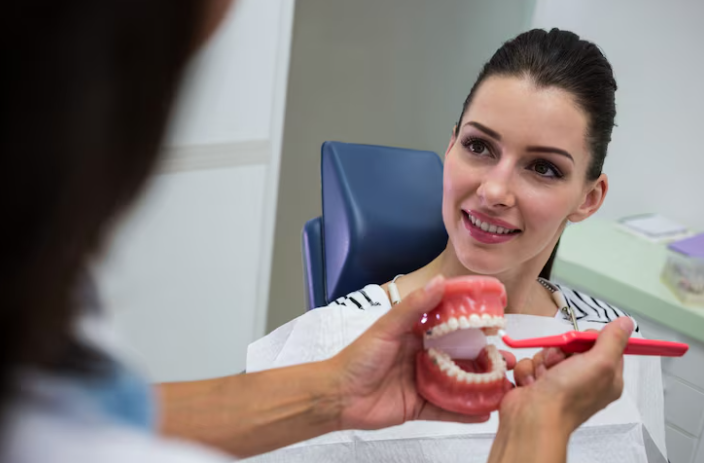
Gum health shapes how well your dental implants heal and last. Healthy gums hold implants firmly. Infected or weak gums let bacteria spread and can cause pain and implant failure. You may feel rushed to fix missing teeth. Still, you need strong gums first. Before surgery, your dentist checks for bleeding, swelling, and bone loss. Then you may need cleanings, deep cleaning, or treatment for gum disease. After surgery, your gums guard the implant from daily stress, food, and plaque. You must keep them clean and strong. This matters even more if you need full arch replacement Grand Rapids, MI. Poor gum care can turn a hopeful treatment into a long, painful problem. Strong gum care can give you steady chewing, clear speech, and a quiet mind. You deserve clear facts and simple steps that protect your smile at every stage.
How Gums Support Dental Implants
Your gums act like a seal around each implant. That seal keeps out germs and supports the bone under the surface. When gums stay firm and clean, you gain three clear benefits.
- Better healing after surgery
- Lower risk of bone loss around the implant
- Longer implant life with fewer problems
If gums swell or bleed, that seal breaks. Then, germs can reach the bone and the metal post. This can trigger infection and cause the bone to shrink away from the implant. The National Institute of Dental and Craniofacial Research explains that gum disease starts with plaque and can progress to bone loss if not treated.
Gum Health Before Dental Implant Surgery
Before you receive an implant, your dentist checks your mouth. You can expect three main steps.
- A review of your health and medicines
- A gum exam for bleeding, pockets, and loose teeth
- X-rays to measure bone height and shape
If your gums show any sign of disease, treatment comes first. That can include routine cleanings, deeper cleanings that remove tartar under the gum line, or medicine. In some cases, you may need gum or bone grafts to rebuild support.
This early work may feel slow. Still, it saves you from infection, repeat surgery, and lost implants later. Healthy gums give the implant a safe place to heal. That means less pain, fewer visits, and more trust in your bite.
Gum Health After Dental Implants
Once the implant is in place, your work is not over. Your gums need daily care for life. Otherwise, a condition called peri-implant disease can form around the implant. It acts like gum disease and can lead to bone loss and implant failure.
The American Academy of Periodontology and many dental schools teach three core steps for home care.
- Brush twice a day with a soft brush and fluoride toothpaste
- Clean between teeth and around implants once a day with floss or small brushes
- See your dentist on a regular schedule for cleanings and checks
The Centers for Disease Control and Prevention shares that nearly half of adults over 30 show signs of gum disease. That risk grows with age.
Comparing Healthy And Unhealthy Gums Around Implants
| Feature | Healthy Gums | Unhealthy Gums |
|---|---|---|
| Color | Pink and even | Red or dark, patchy |
| Texture | Firm, hold shape | Swollen, puffy |
| Bleeding | No bleeding when brushing | Bleeding with brushing or flossing |
| Pain | Comfort during chewing | Soreness, throbbing, or tenderness |
| Breath | Neutral breath | Persistent bad breath |
| Implant Stability | Implant feels solid | Implant may feel loose over time |
Daily Habits That Protect Your Gums
You can protect your gums and implants with three simple habits.
- Clean well. Brush and clean between teeth every day
- Watch for change. Notice bleeding, swelling, or bad taste
- Act fast. Call your dentist when something feels off
Tobacco, uncontrolled diabetes, and poor sleep can raise your risk for gum problems. You can talk with your health care team about support to quit smoking, manage blood sugar, and build steady sleep. Each small step gives your gums more strength to protect your implants.
When To Call Your Dentist
Do not wait if you notice any of these signs around an implant.
- Bleeding that repeats during brushing
- New swelling or color change
- Pain when you bite
- Bad breath that does not clear with brushing
- A sense that the implant or tooth cap moves
Quick care can stop infection and save the implant. Early treatment is often simple. Delay can lead to bone loss and removal of the implant.
Strong Gums, Strong Implants
Dental implants can restore your bite and your smile. Yet they depend on your gums every single day. When you keep your gums clean and strong before surgery, during healing, and for life, you give your implants the best chance to last. You also protect your overall health, since gum disease is linked to heart disease and diabetes. Your choices today can spare you pain, cost, and worry later. You hold real power every time you brush, clean between teeth, and show up for your checkups.
