



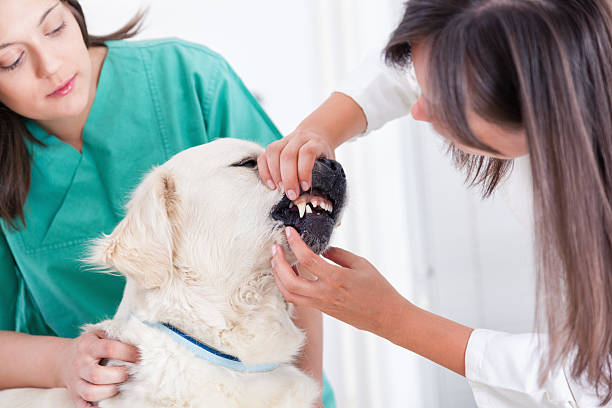
Routine dental care keeps your pet eating, playing, and aging with less pain. It also happens best in animal hospitals. In an Olympia animal hospital, your pet’s teeth get more than a quick look. You get trained eyes, proper tools, and clear answers. You also get safe pain control and fast help if something goes wrong. Home brushing and treats help, but they do not find hidden infection or broken teeth. They do not remove hard tartar under the gum line. They do not protect the heart, liver, and kidneys from mouth bacteria. Routine care in an animal hospital gives you three things. It gives early warning. It gives safe cleaning. It gives a plan you can follow at home. This blog explains why those three pieces matter and how regular visits protect your pet’s mouth and whole body.
Why your pet’s mouth needs more than a quick look
You see the front teeth when your pet yawns. You do not see the back teeth, the tongue side, or the pockets under the gums. You also do not see bone loss. That hidden damage causes mouth pain and tooth loss. It also sends germs into the blood.
The American Veterinary Medical Association explains that most dogs and cats have some form of dental disease by age three. That means your pet can look fine and still hurt every time they chew. You may only notice small changes. Your pet might chew on one side, drop food, or walk away from hard kibble.
Routine exams in an animal hospital catch those early signs. You get clear facts before teeth loosen or infection spreads.
What animal hospitals do that you cannot do at home
You play an important part. You can brush, choose safe chews, and watch for trouble. You still cannot replace what happens in an animal hospital.
Here is a simple comparison.
| Dental task | At home | In an animal hospital |
|---|---|---|
| Daily plaque control | Brushing and chews clean surface plaque on visible teeth | Review of home care and choice of products that match your pet’s mouth |
| Tartar and stain removal | Limited effect on hard tartar | Ultrasonic scaling above and under the gum line |
| Gum health check | You may see red gums or blood only when it is advanced | Gum probing to measure pockets and spot early disease |
| Tooth structure | Only chips or breaks that you can see | Full tooth exam and dental X rays to see roots and bone |
| Pain control | Hard to judge pain and no safe way to treat on your own | Safe anesthesia plan and medicine for pain and infection |
| Emergency response | No support if your pet reacts or collapses | Trained team, oxygen, and monitoring ready in seconds |
This mix of tools and training is the reason routine dental care happens best in animal hospitals. You handle the daily work. The hospital handles the deep cleaning, testing, and treatment.
Why anesthesia makes cleanings safer, not riskier
Many people fear anesthesia. That fear is real. It is also often based on older stories. Modern animal hospitals use screening and monitoring that lower risk for most pets.
During a dental cleaning, your pet must stay still. The team must clean under the gum line and between teeth. Without anesthesia, sharp tools can slip. Your pet can move, twist, or bite in panic. That raises the chance of cuts, broken jaws, and stress.
Under anesthesia your pet gets
- Airway protection so water and debris do not go into the lungs
- Constant checks of heart rate, breathing, and blood pressure
- Better pain control before, during, and after the cleaning
You can read how careful anesthesia and dental care connect at the American Animal Hospital Association page on dental health. This shows you that safe cleaning is not a quick cosmetic polish. It is a medical procedure that protects your pet’s whole body.
How mouth health links to heart, liver, and kidneys
Infected gums bleed. Every heartbeat can carry mouth germs to other organs. Over time those germs can stick to heart valves. They can stress the liver and kidneys that clean the blood. Your pet may not show clear signs until damage is strong.
Routine dental care in an animal hospital cuts that risk. Each cleaning removes plaque and tartar that hold bacteria. Each exam looks for loose teeth that spread infection. Each blood test checks how the organs handle stress. You get a clear picture of your pet’s health, not a guess.
What to expect during a routine dental visit
You deserve to know what will happen before you walk in. A typical visit for dental care includes three steps.
First, you meet with the veterinary team. You talk about your pet’s eating habits, toys, and any changes at home. The team checks the mouth while your pet is awake. You hear what they see and what they recommend.
Second, on the day of the procedure, your pet gets blood work and an exam. The team sets an anesthesia plan based on age, weight, and health. During the cleaning they scale and polish every tooth. They take X rays and chart each tooth. They remove teeth that are dead, loose, or infected. They keep your pet warm and supported from start to finish.
Third, you get a clear report. You see before and after images. You learn which teeth were treated. You leave with medicine if needed. You also leave with a simple home care plan that you can keep up.
How to support your pet between hospital visits
Routine dental care in animal hospitals works best when you support it at home. You can
- Brush your pet’s teeth with pet safe toothpaste
- Use approved dental chews that do not break teeth
- Avoid hard objects like bones, antlers, and hard hooves
- Watch for bad breath, drooling, or dropping food
- Schedule exams at least once a year, more often for small breeds or seniors
This shared work keeps your pet’s mouth cleaner. It also shortens future procedures in the hospital.
When to call an animal hospital right away
Do not wait if you notice
- Strong mouth odor that does not fade
- Blood on toys or in the water bowl
- Loose or missing teeth
- Swelling near the eye or jaw
- Refusal to eat or sudden pickiness with food
These signs can mean deep infection, broken teeth, or mouth growths. Quick care in an animal hospital can stop pain and prevent spread of disease.
Routine dental care is a promise, not a luxury
Your pet depends on you for every meal and every choice. Routine dental care in an animal hospital is one of the strongest gifts you can give. It protects your pet’s comfort. It guards the heart, liver, and kidneys. It also lowers long term costs by catching problems before they turn into emergencies.
You do not need perfection. You only need a steady plan. Partner with an animal hospital. Use home care that you can keep up. Then give your pet what they cannot ask for in words. A mouth that does not hurt and a body that can age with less struggle.
