



Introduction to Ceramics
Ceramics is an ancient art form that combines utility and beauty. It produces everything from everyday tableware to inspiring sculptures. Attending a ceramics class can provide valuable technical skills and inspiration for artistic growth. Recently, ceramics has gained popularity as more people seek handmade, artisanal goods that contrast with mass production. This versatile medium reflects personal style and cultural heritage, bridging the gap between art and life.
Historical Background
Ceramics, one of humanity’s oldest crafts, has a rich history intertwined with cultural evolution. Ancient Egyptians created pottery for practical and ceremonial uses, while China’s Tang dynasty saw the rise of porcelain, known for its delicate beauty. Each civilization has contributed unique styles and techniques, showcasing ceramics’ versatility and durability as both an artistic and practical medium throughout history.
Techniques and Methods
Ceramics production encompasses various techniques, each with its unique expression. Hand-building, involving pinching, coiling, and slab building, allows for rustic and organic forms, creating a deep connection between the artist and the clay. On the other hand, those who enjoy traditional pottery will find symmetry and precast appeal in wheel throwing. Modern ceramicists also utilize technology, such as electric kilns for consistent firing and 3D printing for intricate designs that were previously unattainable by hand.
Functional vs. Decorative Ceramics
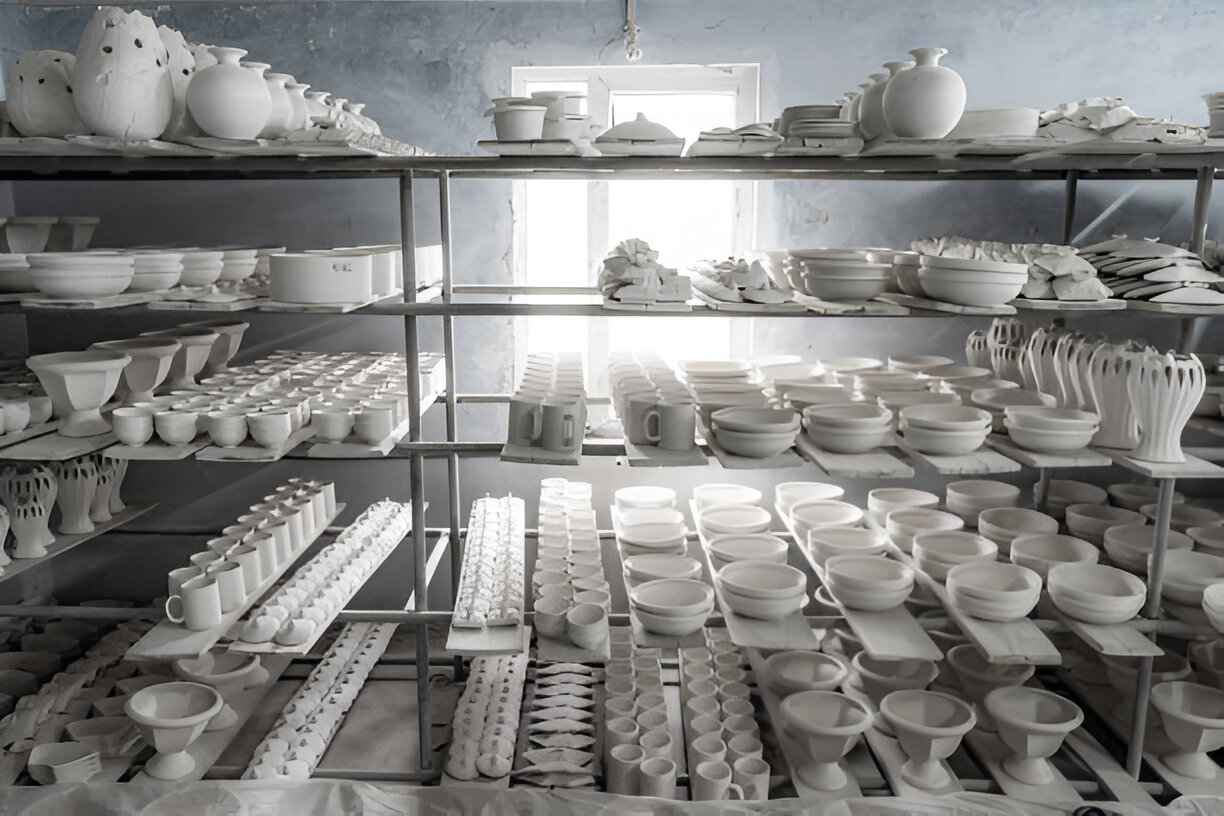
The distinction between functional and decorative ceramics often blurs as the boundaries between art and utility dissolve. Functional ceramics, which include items like mugs, bowls, and plates, focus primarily on usability. Yet, many functional pieces incorporate artistic ornamentation, transforming them into decorative art that enhances everyday environments.
Conversely, sculptures and wall pieces prioritize aesthetic appeal and serve as expressive outlets for artists. Still, they may incorporate functional elements, such as planters or light fixtures, demonstrating ceramics’ multifaceted nature. This duality enriches the discipline, offering endless possibilities for creative exploration that challenge and inspire creators and viewers.
Ceramics in Modern Art
Ceramics has carved out a substantial niche in the modern art scene. Artists have gained international acclaim, pushing ceramics into new conceptual territories and provoking thought through their work. This shift illustrates the medium’s versatility, as it can communicate complex ideas and emotions through form, texture, and color.
The push towards interdisciplinary art further cements ceramics’ role in the modern artistic landscape, as it constantly melds with other media and styles. The inclusion of ceramics in major art exhibitions and galleries worldwide marks its recognition and celebration as a medium of contemporary art practice.
The Influence of Ceramics Globally
Globally, ceramic traditions are diverse, with each location contributing ceramics and methods representing their cultures. Japanese raku ware and Mexican Talavera tiles exemplify how ceramic art embodies local traditions and artistic sensibilities. Despite these regional differences, globalization has facilitated the exchange of ideas and practices, leading to enriched creativity and hybrid styles.
This cultural cross-pollination underscores the role of ceramics as a universal language, where artists from different backgrounds can share their craft and inspiration. Ceramics’ global influence is evident in curated exhibitions and collaborations that showcase diverse perspectives and foster appreciation for this ancient and continuous craft.
Tips for Aspiring Ceramicists
Starting with the basics is crucial for beginners eager to explore ceramic artistry. Acquiring foundational skills in hand-building or wheel-throwing techniques provides a solid foundation. Investing in quality tools and materials can significantly influence the outcome and longevity of one’s work, making it worthwhile for any aspiring ceramicist.
Embrace experimentation as a key part of the creative process. Don’t shy away from trying new techniques, playing with different glazes, or pushing the limitations of clay to create unique forms. Additionally, embracing failures as learning opportunities will facilitate growth and innovation in your work. Many seasoned artists recommend finding a personal style over time and developing it through exploration and refinement.
