



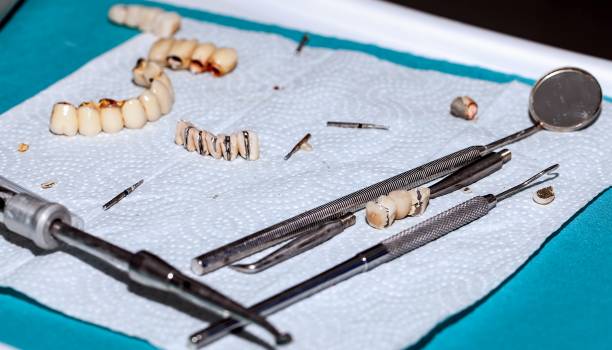
You just went through a big step for your health. Now your focus is simple. You want to heal with less pain, less stress, and fewer surprises. Whether you had teeth removed, bone work, or implants placed, the first days after surgery shape how you feel for weeks. Careless choices can slow healing. Smart choices can protect your implants and cut your risk of infection. If you had oral surgery in New Braunfels, TX your surgeon already did the hard part in the chair. Now the work shifts to you at home. This guide walks you through six clear steps. You will learn how to control bleeding, manage pain, protect the blood clot, eat without hurting the site, keep your mouth clean, and know when to call for help. With steady care, you can move from sore and swollen to stable and strong.
1. Control bleeding and protect the blood clot
The blood clot is your body’s natural bandage. You need to protect it from the first minute.
- Bite gently on the gauze for 30 to 45 minutes
- Replace gauze as your surgeon instructed
- Keep your head raised on pillows when you rest
- Do not spit, swish hard, or use straws
- Do not smoke or vape
These steps lower your risk of dry socket and early implant problems. The clot should stay firm and quiet. If bleeding soaks through several gauze pads for more than four hours, call the office or after hours line.
2. Manage pain and swelling on a schedule
Pain control works best when you stay ahead of it. Do not wait until pain feels strong.
- Use the medicines your surgeon suggested, on time
- Ask before using over the counter pain pills
- Place a cold pack on the cheek for 15 minutes on and 15 minutes off during the first day
- Switch to a warm pack after 48 hours if your surgeon agrees
The National Institutes of Health explains that using non opioid pain medicine on a set schedule can work well for many people. You deserve steady pain control that lets you sleep and eat.
3. Eat soft foods that protect the surgery site
Your body needs fuel to heal. Your mouth needs soft foods that do not hit the surgery site.
| Food choice | Better option | Risky option |
|---|---|---|
| Texture | Yogurt, mashed potatoes, scrambled eggs | Chips, nuts, crusty bread |
| Temperature | Cool or room temperature foods | Very hot soup or drinks |
| Chewing side | Chew on the side away from surgery | Chew right on the surgery site |
| First 24 hours | Smoothies with a spoon, pudding, applesauce | Straws, tough meat, raw veggies |
Eat small meals through the day. Drink water often. Do not drink alcohol. Protein and calories support bone and gum repair around implants.
4. Keep your mouth clean without hurting the site
Clean care lowers infection risk. You can start fast, as long as you stay gentle.
- Do not brush over the surgery site for the first day
- Brush the other teeth softly twice a day
- After 24 hours, rinse with warm salt water three to four times a day if your surgeon allows
- Avoid strong mouthwashes that contain alcohol unless you were told to use a specific rinse
The Centers for Disease Control and Prevention stress that clean habits help stop infections from spreading through the body. A clean mouth feels better and supports safe healing around each implant.
5. Move your body, but protect your mouth
Rest is important. Movement also keeps your body strong. You need both.
- Rest at home for the first day
- Avoid heavy lifting and hard exercise for at least 3 to 5 days, or as directed
- Take short walks in your home once you feel steady
- Stand up slowly to avoid feeling light headed
Hard activity can start bleeding again and increase swelling. Light movement supports blood flow and helps your mood. Listen to your body and stop if you feel throbbing at the surgery site.
6. Watch for warning signs and call early
You know your body. If something feels wrong, reach out. Do not wait and hope it passes.
Call your surgeon or seek urgent care if you notice:
- Bleeding that does not slow after firm pressure
- Swelling that suddenly gets worse after day three
- Strong pain that medicine does not touch
- Fever, chills, or a bad taste that will not go away
- Trouble swallowing or breathing
Quick action can protect your health and your implants. Early calls often lead to small changes instead of big problems.
Give yourself time and support
Healing after oral surgery and implants is a process. You cannot rush bone and gums. You can guide them with calm, steady care. Follow the written instructions from your surgeon. Ask questions. Accept help with meals, rides, or child care while you rest.
Each day should bring small signs of progress. Less bleeding. Less swelling. Easier eating. If that pattern changes, reach out. You took a brave step for your health. Now protect that choice by treating your body with patience and respect.
