



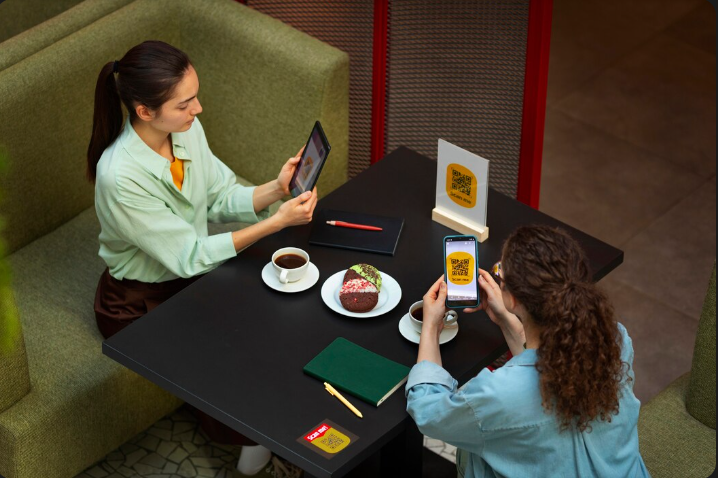
A guest may notice the sign before entering, the lighting after walking in, and the host stand before being seated. Yet the first real physical contact with a restaurant’s brand often happens when their hand touches the table top.
That moment is easy to overlook because it feels ordinary. A customer sits down, places a phone near the edge, rests a hand on the surface, and opens the menu. Nothing dramatic happens. Still, the senses begin working immediately. The table may feel smooth, solid, warm, cold, sticky, polished, worn, elegant, casual, or cheap. Before the food arrives, the brand has already become physical.
Restaurant table tops are not just a surface for plates and glasses. It is the stage for the meal, the anchor of the dining experience, and one of the most handled pieces of furniture in the room. It supports conversations, business lunches, family dinners, first dates, birthday desserts, laptops, menus, coffee cups, cocktails, and every small object guests bring.
When the table feels right, it quietly supports the experience. When it feels wrong, it can weaken the entire room.
The Table Turns Brand Identity Into Touch
Branding is most often discussed in terms of visuals. Logos, menus, colors, websites, clothing, packaging, and signage all influence how a restaurant is perceived. The table top does something else. It brings the brand to life for guests.
A rustic wooden table top can give a sense of warmth, honesty, and groundedness to a space. A clean laminate surface communicates speed, uniformity, and ease of upkeep. A stone-appearance top can provide polish and weight without making the area feel overly formal. A broad, solid wood edge can provide a casual eatery a premium impression, whereas a thin or wobbly surface can make even a fashionable place appear transient.
“Guests aren’t allowed to say these things, but they know it.” They sense when something is right. They can tell when it appears to be clean. They can tell if a table wobbles, sticks, chips, stains, or appears out of place.
That is why the table top behaves like a handshake. It’s not the whole relationship, but it sets the tone.
Dissonance in a steak place with fragile tables. A family restaurant with delicate, hard-to-clean surfaces doesn’t seem realistic. Even if the coffee is good, a modern cafe with scraped, uneven tops can seem uncared for. The patio, with its weather-damaged, fading tables, would suggest corner-cutting on the operator’s part.
With the right tabletop, the restaurant’s guarantee feels believable.
First Contact Builds, Or Breaks, Confidence
Before a guest tastes anything, the table is already being judged. Is it clean? Is it steady? Does it match the price point? Does it feel like it belongs in the room?
These questions are practical, but they are also emotional. A clean, stable, well-chosen table top tells guests that the restaurant pays attention. It suggests that the dining room is cared for, that the operation is maintained, and that the meal may be handled with the same level of care.
A damaged or poorly matched surface sends a different message. Sticky residue can make people question cleanliness. Peeling laminate can make the room feel tired. Deep scratches can make a table look older than it really is. Rough edges can make guests uncomfortable before the server even arrives.
The problem is not normal wear. Restaurants are active spaces, and furniture will always face daily pressure. The real problem arises when tabletops age faster than the concepts around them. If the restaurant is trying to feel fresh, thoughtful, elevated, or carefully designed, worn surfaces can quickly break that impression.
Small cues add up fast.
- A smooth surface makes the table feel ready.
- A stable base makes the guest feel comfortable leaning in.
- A clean edge makes the table feel cared for.
- A durable finish makes the room look consistent over time.
- A well-matched material helps the brand feel intentional.
Guests might not analyze all of this. They simply feel whether the experience makes sense.
Material Choice Tells a Quiet Story
Each table top material has a story. Budget, durability, maintenance and availability are generally the deciding factors for the operator. These are crucial elements, but the brand story should also enter into the decision.
Solid wood is warm, natural, and comforting. Great for farm-to-table restaurants, breweries, coffee shops, casual dining rooms, wine bars, and venues that seek obvious character. Well-maintained wood ages gracefully, but poor sealing, weak finishes, and hard use can age it prematurely.
Laminate offers uniformity, ease of maintenance, and extensive design options. It can be a sensible solution for diners, cafeterias, quick-service venues, family restaurants, and high-volume concepts where hygiene and durability are concerns hour after hour. A decent laminate tabletop can look sleek and perform well, but a low-grade one can feel thin or overly institutional.
Molded resin and composite tabletops are perfect for outdoor patios, informal settings, and high-traffic dining areas. Depending on the building quality, they can better resist moisture than many natural materials. The trick is to pick things that feel commercial rather than disposable.
Premium finishes and stone-look tops can offer a more refined impression, without the cost, weight, or maintenance of natural stone. They are good for a restaurant that desires visual polish but also needs practical everyday performance.
The most expensive is not always the best option. It is the one that fits the restaurant’s idea, traffic volume, cleaning procedure, service model, and replacement plan.
Breakfast doesn’t have to feel like a fancy hotel. “Fine dining rooms should not feel like fast casual cafeterias.” A rooftop bar should not have surfaces that look weak after one season. The table top has to back up the promise the business is making.
Durability Is Also Part of Hospitality
Durability is often treated as a purchasing issue, but it is also a customer experience issue. Guests see wear. They touch it. They notice when a surface looks cloudy, chipped, swollen, stained, faded, or weak.
Commercial tabletops endure constant use. They deal with hot plates, cold drinks, spilled sauces, sanitizing products, keys, purses, glassware, children’s toys, laptops, staff cleaning routines, and quick table turns. Outdoor tables face even more pressure from sun, rain, humidity, heat, and changing temperatures.
A surface that looks beautiful in a catalog may not survive the rhythm of real service. That is why commercial-grade construction matters. The finish should match the use case. The edge should resist chipping. The core should suit the environment. The surface should be cleaned well without losing its appearance too quickly.
Durability protects more than the furniture budget. It protects the room’s credibility.
A restaurant that promises quality cannot let its tables tell a different story. When a table top holds up well after thousands of guest interactions, it supports the brand every day without needing attention.
The Surface Changes How Food Looks
Food presentation does not stop at the plate. The tabletop becomes the backdrop for almost every dish, drink, and shared moment.
That matters because guests now photograph meals, record short videos, post birthday moments, share cocktails, and check restaurant images before visiting. The table surface may appear more often in reviews, tagged photos, social posts, local search results, and influencer content than the walls or flooring.
A warm wood table can make bread, pasta, brunch dishes, and cocktails feel inviting. A dark surface can create contrast for light plates and colorful food. A clean, neutral top can make dishes look crisp and modern. A busy, worn, or heavily patterned surface can compete with the plate.
Restaurants do not need to design every table around social media, but they should understand that the tabletop is part of their visual identity. It appears again and again, often in the exact photos that future guests use to judge the restaurant.
For many customers, the first view of a dining room is not the front door. It is a photo of food sitting on a table. That makes the surface part of the marketing system, whether the operator planned it or not.
Comfort Lives In The Details
Material gets attention first, but size, shape, and edge detail also shape the guest experience.
A table that is too small can make the meal feel cramped. Plates compete with glasses. Menus overlap with appetizers. Phones, purses, and elbows have nowhere to go. A table that is too large can waste dining room space and make conversation feel distant.
Shape matters, too. Round tops can soften conversation and improve flow in some rooms. Square tops can create clean layouts and make pairing easy. Rectangular tops can support group dining, shared plates, and tighter floor plans. Bar-height tables need enough depth for drinks, small plates, and comfort, not just enough room to look good in a layout drawing.
Edges also affect how the table feels. A rounded edge can feel comfortable and welcoming. A thick edge can suggest strength. A sharp or poorly finished edge can make the table feel cheap, even if the top looks attractive from a distance.
Guests may never mention the edge profile, but their arms and hands notice it throughout the meal.
The Surface Is Where Trust Begins
The restaurant table top does not shout for attention. It is quieter than a dramatic light fixture, a painted mural, or a signature dish. That is exactly why it is easy to underestimate.
Still, it is one of the first things a guest touches, one of the most repeated design elements in the dining room, and one of the clearest signals of whether the restaurant’s promise feels real.
A strong table top supports comfort, cleanliness, durability, food presentation, atmosphere, and guest confidence. It helps the room feel intentional. It gives the meal a better foundation. It turns design from something guests see into something they physically trust.
Before customers taste the food, they meet at the table. For restaurants that care about first impressions, that surface deserves serious attention.
