



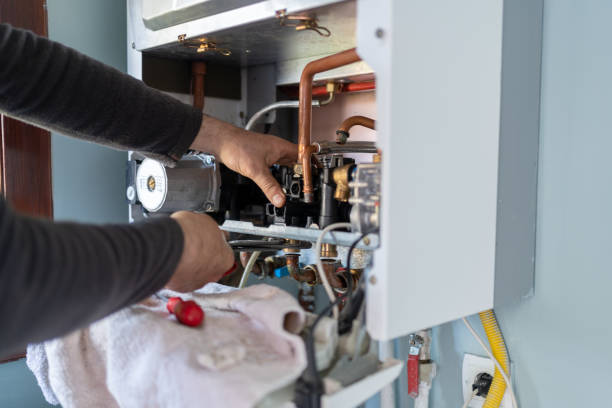
Few household problems are as frustrating as stepping into a cold shower because your water heater tripped the circuit breaker — again. If this is happening repeatedly, resetting the breaker is only a temporary fix. A breaker that keeps tripping is your electrical system’s way of waving a red flag, warning you that something is genuinely wrong. Ignoring it can lead to costly damage or even a house fire.
This guide walks you through the most common causes, how to diagnose them, and what you can do to get your hot water running safely again.
Why Does a Circuit Breaker Trip?
A circuit breaker is a safety device. It trips — cutting off power — when it detects more electrical current flowing through the circuit than it was designed to handle. For water heaters, which typically run on a dedicated 240-volt circuit with a 30-amp breaker, this protection is critical.
When a breaker trips once after a power surge or brief overload, that can be normal. When it trips repeatedly, you have an underlying problem that demands attention.
Common Causes of a Tripping Water Heater Breaker
1. A Faulty Heating Element
The heating element is the most frequent culprit. Most electric water heaters have two elements — one near the top of the tank and one near the bottom — that heat the water as it fills the tank.
Over time, the outer sheath of a heating element can crack or deteriorate, allowing water to make direct contact with the electrical coil inside. When this happens, the element essentially creates a short circuit, drawing far more current than normal and causing the breaker to trip almost immediately after being reset.
You can test a heating element using a multimeter set to measure resistance (ohms). After cutting power to the unit, disconnect the wires from the element and place the probes on each terminal screw. A reading of zero ohms indicates a short, while a reading of infinity (OL) indicates an open circuit. Either reading means the element needs to be replaced. A healthy element typically reads somewhere between 10 and 30 ohms, depending on its wattage rating.
Replacing a heating element is a moderately involved DIY repair. You’ll need to drain a portion of the tank, unscrew the old element with an element wrench, and thread in the new one with a fresh gasket. For homeowners who aren’t comfortable working around electricity and water simultaneously, calling a professional from doctorwaterheater.com or a similar service is a wise choice.
2. A Bad Thermostat
Each heating element on an electric water heater is paired with its own thermostat, which regulates when the element turns on and off based on water temperature. If a thermostat fails and gets stuck in the “on” position, the element never stops heating. The water can overheat dramatically, and the resulting electrical load can cause the breaker to trip. In some cases, it also triggers the water heater’s high-temperature cutoff switch (more on that below).
Thermostats can also fail in ways that cause erratic or excessive current draw. Testing a thermostat requires a multimeter and a basic understanding of the water heater’s wiring diagram, which is usually printed on a label inside the access panel. If a thermostat reads outside its expected range or shows no continuity when it should, replacement is straightforward and inexpensive.
3. The Breaker Itself Is Worn Out
Circuit breakers have a lifespan. After years of use — especially if they’ve tripped and been reset many times — the internal components can wear out. A tired breaker may trip at lower-than-normal loads, or it may trip randomly even when no actual fault exists in the water heater.
To determine if the breaker is the problem, have an electrician test it under load. If the breaker is determined to be weak or faulty, replacing it is a relatively simple job for a licensed electrician but should not be a DIY task unless you are experienced with panel work.
4. Loose or Damaged Wiring
Electrical connections that have worked themselves loose over years of heating and cooling cycles can create resistance at the connection point. Resistance generates heat, and heat causes the wire insulation to break down. Damaged insulation can lead to arcing or a short circuit — both of which will trip the breaker.
Inspect the wiring inside the access panels on your water heater. Look for any wires with discolored, melted, or frayed insulation, and check that all terminal screws are snug. Even if you find nothing obviously wrong, it’s worth having an electrician take a look if the other components test out fine.
5. The High-Temperature Cutoff Has Tripped
Electric water heaters include a safety device called a high-temperature cutoff (also called an energy cutoff or ECO), which is typically located behind the upper access panel. If the water temperature exceeds a safe threshold — usually around 180°F — this device cuts power to both heating elements to prevent scalding and tank damage.
Unlike a circuit breaker, the high-temperature cutoff has a manual reset button. If you open the upper access panel and see a red button, press it firmly. You should hear a click. If this fixes the problem temporarily but the cutoff keeps tripping, it usually means a thermostat or heating element is causing the water to overheat, and that underlying component needs to be addressed.
6. The Tank Is Grounded
In some cases, water inside the tank can find a path to ground through a failed element or internal corrosion. This creates a fault current that the breaker detects and interrupts. If your water heater is older and has never had its anode rod maintained, internal corrosion may have progressed to this point. A severely corroded or leaking tank typically signals the end of the unit’s useful life, and replacement is the most cost-effective solution.
Step-by-Step Diagnosis
Before calling a technician, you can narrow down the cause with a systematic approach.
Step 1 — Cut the power. Turn off the breaker before opening any access panels. Never work on a water heater with power on.
Step 2 — Reset the high-temperature cutoff. Open the upper access panel and press the red reset button. Restore power briefly. If the breaker holds, a temperature spike was likely the one-time cause. Monitor for recurrence.
Step 3 — Test the heating elements. With power off, disconnect the wires from each element and test resistance with a multimeter. Replace any element that reads zero or infinite ohms.
Step 4 — Test the thermostats. With power off, use a multimeter to check continuity through each thermostat at room temperature. A failed thermostat showing no continuity (or continuous continuity when it shouldn’t) should be replaced.
Step 5 — Inspect the wiring. Look for signs of heat damage, loose connections, or burnt terminal screws inside both access panels.
Step 6 — Evaluate the breaker. If all water heater components test as healthy, have the breaker tested by an electrician.
When to Call a Professional
While some of these repairs are within reach of a capable DIYer, there are situations where professional help is the smarter call:
- The breaker trips immediately every time it’s reset, suggesting an active short circuit
- You find burn marks, melted wiring, or smell burning plastic
- You’re unsure how to safely work with 240-volt electrical systems
- The tank itself is leaking or shows signs of advanced corrosion
- Multiple components have failed, suggesting the unit is near the end of its life
A qualified technician — like those at Doctor Water Heater — can diagnose the problem accurately, make repairs to code, and advise you on whether repair or replacement is the better investment given the age and condition of your unit.
Preventive Maintenance Tips
Once the immediate problem is resolved, a few maintenance habits can extend the life of your water heater and reduce the chance of electrical issues recurring.
Flush the tank annually. Sediment buildup at the bottom of the tank forces the lower heating element to work harder and can cause it to overheat and fail prematurely.
Check the anode rod every two to three years. The anode rod sacrificially corrodes to protect the tank from rust. A depleted rod allows the tank to corrode from the inside, which can eventually damage the elements and wiring.
Keep the area around the water heater clear. Adequate ventilation helps prevent the unit from running hotter than necessary.
Have the unit inspected periodically. An annual inspection by a water heater professional can catch developing problems — like a weakening element or a thermostat drifting out of range — before they become emergencies.
Final Thoughts
A water heater that keeps tripping the breaker is more than an inconvenience — it’s a sign that your electrical system is protecting you from a real problem. The good news is that most causes are diagnosable and repairable without replacing the entire unit. A failed heating element, a faulty thermostat, or a worn-out breaker are all relatively affordable fixes when caught early.
The key is not to simply keep resetting the breaker and hoping for the best. Take the time to investigate, work safely, and bring in a professional when the situation calls for it. Your hot water, your electrical panel, and your peace of mind will all be better for it.
