



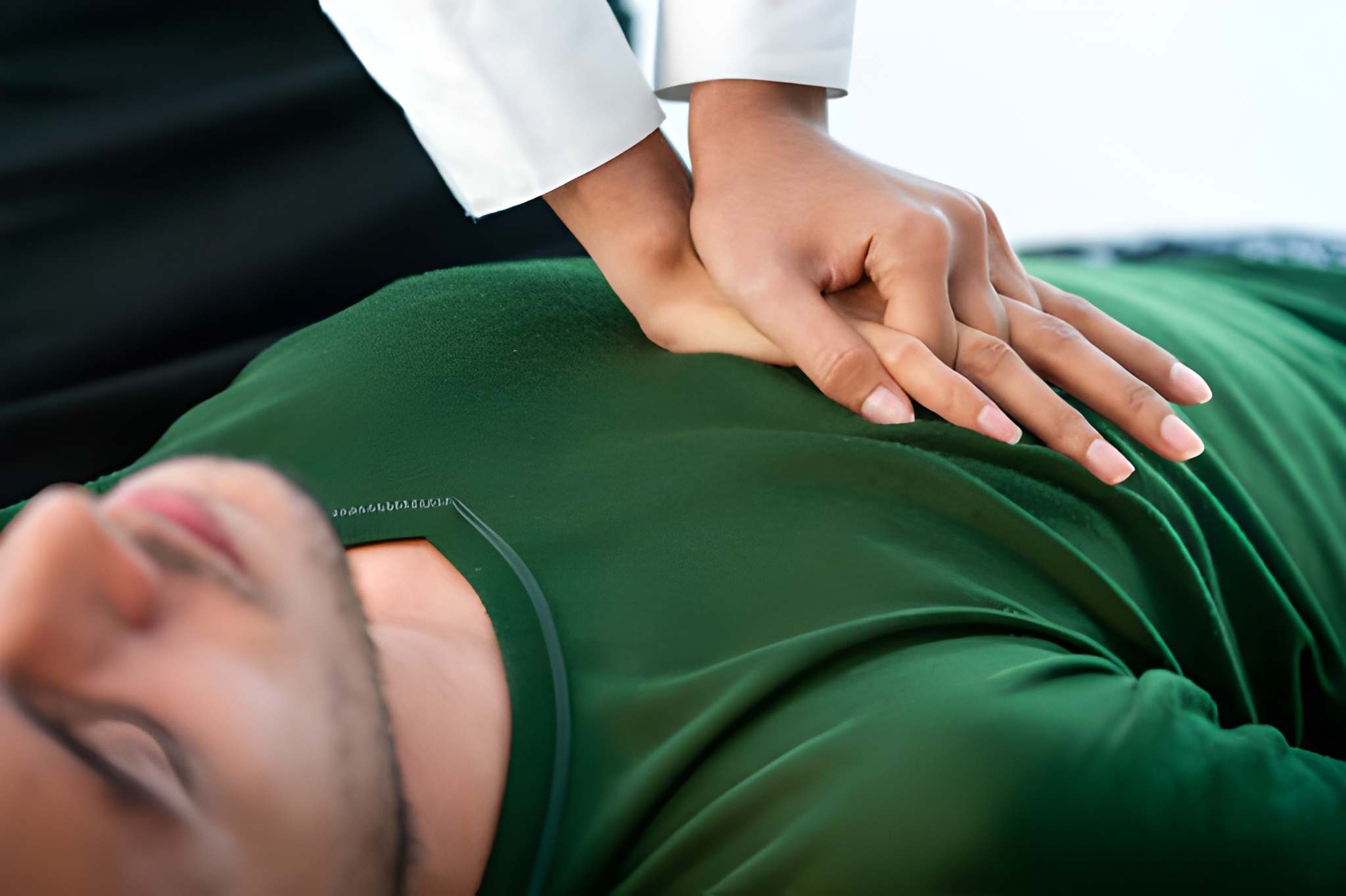
Cardiac arrest can happen anywhere and at any time. Many people freeze when they see someone collapse because they do not know what to do. Quick action is the only thing that can protect a person in this situation. The Chain of Survival is a simple guide that helps anyone understand the steps that improve a person’s chance of living. These steps are easy to learn and can make a very big difference. They show how fast action, proper CPR, and early medical help work together during an emergency. This type of clear education fits well with the needs of people who want to learn life saving skills and gain confidence in helping others.
Why Every Second Matters in a Life Threatening Emergency
When the heart stops beating, the body does not get the oxygen it needs. The brain can be harmed in a few minutes. This is why fast action is so important. Many people wait because they feel scared or think they might do something wrong. The truth is that doing something is always better than doing nothing.
Understanding how the Chain of Survival works helps people stay calm and act with purpose. It helps them remember the right steps and gives them the confidence to respond. Learning these steps before an emergency happens is one of the best things a person can do for their family, friends, and community.
Step One: Spotting the Emergency and Calling for Help
The first part of the Chain of Survival is simply knowing that something is wrong. Cardiac arrest is different from fainting or normal tiredness. A person in this condition will not respond, will not breathe normally, or will stop breathing at all.
Once you notice these signs, you must call for help right away. You can shout for someone nearby to call emergency services or you can call yourself if no one is around. Sharing your location and staying on the phone are important. The call operator can guide you until help arrives.
To make this step easier, remember the simple points below:
• Check if the person is awake
• Look for normal breathing
• Call emergency services right away
• Put the phone on speaker so both hands are free
Taking action fast is a key part of the Chain of Survival. This early step also gives you the power to guide others if they are unsure of what to do.
Step Two: Starting CPR to Keep Blood Moving
The next part of the Chain of Survival is CPR. This is what keeps blood flowing in the body until medical help arrives. Even if you are not trained, chest compressions can help keep the brain and heart supplied with oxygen.
To start CPR, place the heel of your hand in the center of the chest. Press hard and fast. Let the chest rise fully after each push. Compressions should continue without long breaks. If someone else is with you, take turns so you do not get tired.
Good CPR can help keep the person alive. It also prepares the body for the next steps in the Chain of Survival. Many people choose to learn CPR through trusted online education. For example, MyCPR NOW offers helpful learning options for people who want to feel more prepared for an emergency. These skills are useful at home, at work, or even in public spaces.
Step Three: Using an AED to Restore the Heart Rhythm
An AED is a simple device that checks the heart rhythm and gives a safe electrical shock if needed. Many public places have AEDs on walls, inside gyms, schools, malls, and airports. Even people who have never seen one before can use it. The device speaks out loud and gives step by step instructions.
Here is what usually happens when you use an AED:
• Turn the device on
• Place the pads on the chest as shown in the picture
• Step back when the device checks the heart
• Give the shock if the device tells you to
• Continue CPR after the shock
Using an AED early improves the chance of survival in a major way. This tool can restart the heart rhythm and give the person a real chance to recover. The Chain of Survival works best when CPR and AED use happen quickly and together.
Step Four: Getting the Person to Advanced Medical Care
After CPR and AED steps begin, trained medical responders take over. They can use special tools and treatments that support the heart, lungs, and brain. They move the person to a hospital where doctors can give more care. Every part of this process builds on the earlier steps that you started at the scene.
This step helps the body stabilize. It can also prevent long term harm. Advanced care is very important, but it depends on the first two steps you take in those first moments. Good bystander action gives medical teams a much better chance to help the person recover.
Step Five: Helping the Person Recover After the Emergency
The last part of the Chain of Survival focuses on recovery. Many people need time, support, and medical follow up after cardiac arrest. They may need help with memory, strength, and overall healing. Encouragement from family and friends also plays a big role during this time.
Recovery steps may include:
• Follow up doctor visits
• Medication support
• Light exercise or therapy
• Emotional support from loved ones
This final step reminds us that cardiac arrest does not end when the heart starts again. Healing takes time, and people often need guidance as they return to normal life.
How Learning the Chain of Survival Builds Confidence
One of the best things about understanding the Chain of Survival is the sense of power it gives to ordinary people. Anyone can learn these steps. Anyone can act in an emergency. You do not need to be a professional to help someone stay alive until trained support arrives.
Many people choose simple online training to boost their skills. MyCPR NOW is one example of a learning source that helps people practice CPR and emergency response at their own pace. Learning at home makes it easier for people of all ages and backgrounds to understand the Chain of Survival.
Knowing these steps protects the people you care about. It also helps you stay calm when the situation is stressful. You may not control when an emergency happens, but you can control how ready you are.
Conclusion
The Chain of Survival is a clear and simple guide that shows how fast action can save a life. It teaches people to call for help quickly, start CPR right away, use an AED when needed, and support medical teams as they take over. It also reminds us that recovery is an important part of the journey. These steps give people the power to help others during one of the most serious emergencies a person can face.
Learning these skills is not only smart but also responsible. With training, practice, and calm action, you can be the difference between life and loss. Many people build their confidence through trusted online learning such as MyCPR NOW which helps them stay prepared for real life situations. When more people understand the Chain of Survival, more lives can be saved every day.
