



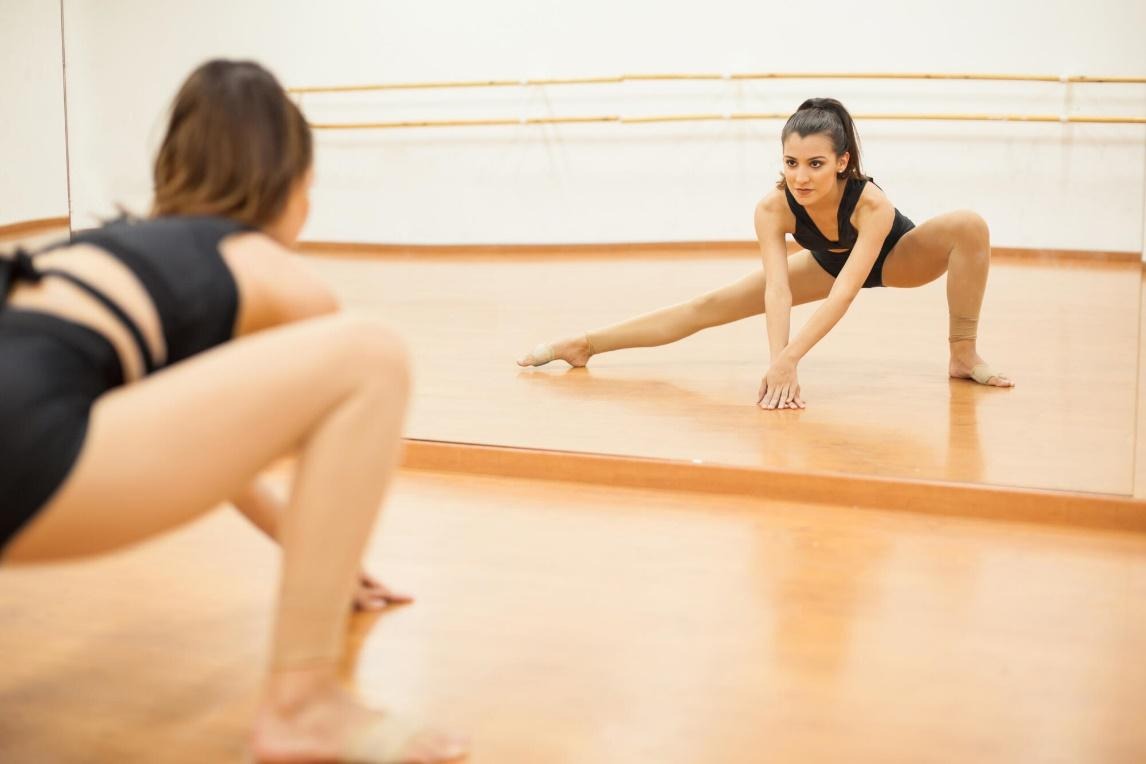
Have you ever stepped onto a dance floor and felt it either lift your performance or hold you back?
Whether you’re a studio owner, a teacher, or a passionate dancer, the floor beneath your feet is more important than you might realize. The right surface not only protects your body but also helps you move confidently. When your floor supports you, your movement becomes limitless.
In this article, you’ll discover safe and durable flooring options tailored to your style.
Marley (Vinyl) Flooring
Marley flooring is a smooth vinyl surface used in many professional studios and theaters. It offers a balance of grip and glide to help dancers move safely and smoothly. This type of flooring accommodates a wide range of dance styles without requiring major changes.
The material is easy to roll out and can be installed permanently or temporarily. For trusted options with a good reputation in the dance world, many studios choose to shop Stagestep flooring for their flooring needs. Their selection includes both temporary and permanent vinyl solutions.
Sprung Floors
Sprung floors are designed to absorb impact and protect joints from injury. They function as cushions beneath the surface, enhancing safety during jumps and landings. Most professional studios use them as a base layer for all dance styles.
There are different types of sprung systems, including traditional basketweave and modern foam block options. Some are built into the floor, while others are portable panels. These floors last a long time and are a smart investment for serious dancers.
Hardwood Flooring
Hardwood floors are durable and have a natural bounce that works well for many styles. They are the top choice for tap and Irish step dance because they provide excellent acoustics. The smooth surface also suits ballroom and jazz dancing.
To stay safe, hardwood should always be installed over a sprung base. Without this extra layer, dancers risk injury from hard landings. While beautiful, hardwood may not be ideal for barefoot styles like contemporary dance or modern dance.
Vinyl Roll-Out Flooring
Vinyl roll-out flooring is lightweight and easy to use in temporary spaces. It is popular with touring companies and dance shows on the move. These floors are offered in reversible styles that feature neutral colors.
The surface gives enough grip for most dances but doesn’t absorb much shock. Because of that, it’s best to place them over a sprung floor or cushioned base. While not as durable as permanent floors, it’s still a good choice for short-term needs.
Modular Dance Tiles
Modular dance tiles connect like puzzle pieces, making them perfect for home or small studio installations. They are easy to set up and take down without professional help. Many versions also include cushioning to reduce strain.
These tiles are ideal for styles such as tap or hip-hop, which do not typically involve high jumps. They don’t provide the same spring as professional setups, limiting joint support. Still, they are a solid and flexible option for dancers on a budget.
Cork Flooring
Cork flooring is made from natural materials and is soft underfoot. It provides a slight cushion that helps protect joints during movement. The surface also absorbs sound, making it great for small studios or home spaces.
It works best for light dance styles such as modern, barefoot contemporary, and stretching routines. Cork has natural anti-slip qualities and is resistant to mold and mildew. While it’s not ideal for tap or ballroom, it adds comfort and warmth to a space.
Laminate Flooring
Laminate flooring is a budget-friendly option that looks like hardwood. It’s easy to clean and maintain, making it popular for home studios. The surface is smooth, so dancers can move without much friction.
This type of flooring is better for styles that don’t require heavy jumping. It lacks the bounce of sprung floors but works well for rehearsals and practice. To improve safety, it should be installed over a cushioned or sprung subfloor.
Rubber Flooring
Rubber flooring is dense, flexible, and made to handle high-impact activity. It’s often used in gyms, but dancers who do heavy jumping or acrobatics can benefit too. The material helps reduce stress on knees and ankles.
It’s not ideal for styles like ballet or tap due to its soft grip and lack of slide. However, it’s great for breakdancing, hip-hop, or conditioning exercises. Rubber tiles or rolls are easy to install and last a long time.
Rosco Adagio
Rosco Adagio is a well-known brand of Marley-style vinyl flooring. It’s built to handle both soft shoe and tap dance, which makes it unique. The surface gives the right amount of grip without sticking to the foot.
It’s tough enough for percussive styles but smooth enough for ballet and jazz. This versatility makes it a favorite in schools and studios with many genres. It should always be paired with a sprung or padded base for safety.
Stage Floors
Stage floors are designed to handle frequent performances and heavy foot traffic. They often use hard materials like plywood or dense vinyl. These floors must be strong and smooth enough for multiple dance styles.
Many stages have built-in sprung layers to protect dancers from injury. Stage flooring is usually painted or finished for visual appeal and lighting. It may not offer the same comfort as studio floors, but it works well for short-term use.
Outdoor Dance Flooring
Outdoor flooring is made to handle the elements like rain, sun, and wind. It’s usually portable and set up over grass, pavement, or other uneven surfaces. The materials are non-slip and UV-resistant to stay safe and stable.
This flooring works for events, performances, or rehearsals in open-air settings. It’s best for hip-hop, ballroom, or jazz – styles that don’t require bare feet. While not as cushioned as indoor floors, it’s strong and safe for temporary use.
Where Every Step Begins With the Right Surface
Dance flooring is essential for every move, leap, and landing. The right floor creates a space where dancers feel secure, supported, and free to express themselves. Investing in quality flooring means investing in long-term safety and creative expression.
Regardless of the genre, a dependable floor becomes a silent partner in every performance. Choose wisely, and let the floor elevate your dance.
We hope this article has been helpful to you. If you enjoyed this article, be sure to check out our blog for more valuable information and resources.
