



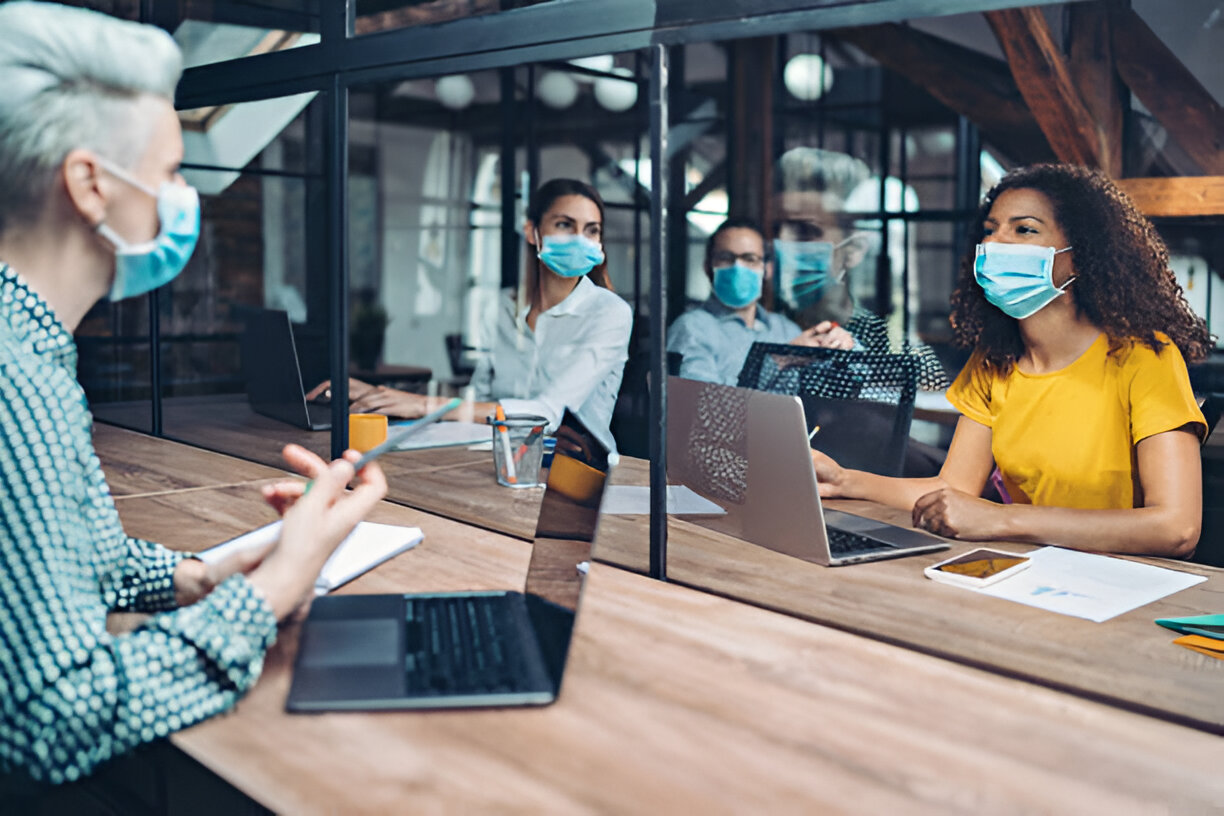
Industrial workplaces face unique safety challenges that require proactive planning, consistent monitoring, and comprehensive training programs. Creating a safer work environment protects employees from injury while reducing liability costs and improving operational efficiency. By implementing systematic safety measures, industrial facilities can significantly reduce workplace accidents and foster a culture where safety becomes everyone’s responsibility.
Conduct Comprehensive Hazard Identification and Risk Assessment
The foundation of workplace safety begins with identifying potential hazards throughout your facility. Regular safety audits help pinpoint areas where accidents might occur, from machinery operation zones to chemical storage areas. Walk through each section of your facility with a critical eye, documenting potential risks such as unguarded machinery, slippery surfaces, inadequate lighting, or poorly maintained equipment.
Create a hazard registry that categorizes risks by severity and likelihood of occurrence. This documentation serves as a roadmap for prioritizing safety improvements and allocating resources effectively. Include input from workers who operate in these areas daily, as they often notice hazards that management might overlook.
Environmental factors also contribute to workplace hazards. Monitor air quality, noise levels, and temperature conditions that could impact worker safety and performance. Poor ventilation can lead to respiratory issues, while excessive noise can mask warning signals and communication attempts.
Implement Robust Training and Education Programs
Employee training forms the cornerstone of industrial safety programs. New workers need comprehensive orientation that covers general safety protocols, specific job hazards, and emergency procedures. However, training shouldn’t stop after orientation; regular refresher courses ensure that safety knowledge remains current and relevant.
Develop job-specific training modules that address the unique risks associated with different positions. Machine operators need different safety knowledge than maintenance workers or quality control inspectors. Tailor training content to real workplace scenarios that employees encounter daily.
Hands-on training proves more effective than classroom lectures alone. Use simulations, demonstrations, and practical exercises that allow workers to practice safety procedures in controlled environments. This approach builds muscle memory and confidence that transfers to actual work situations.
Create a system for tracking training completion and competency assessments. Regular testing ensures that employees retain critical safety information and can respond appropriately to emergency situations.
Establish Clear Safety Protocols and Procedures
Written safety procedures provide consistent guidance for handling various situations and tasks. Develop standard operating procedures that outline safe work practices for each job function, including equipment operation, material handling, and maintenance activities.
Lockout/tagout procedures prevent accidents during equipment maintenance by ensuring that machinery cannot be accidentally activated. These protocols must be clearly documented and strictly enforced, with regular audits to verify compliance.
Emergency response plans prepare your facility for various crisis scenarios, from chemical spills to medical emergencies. Post evacuation routes clearly and conduct regular drills to ensure everyone knows how to respond quickly and safely.
Personal protective equipment policies must specify required gear for different tasks and work areas. Regular inspections ensure that PPE remains in good condition and gets replaced when necessary.
Maintain Equipment and Infrastructure Regularly
Preventive maintenance programs reduce the likelihood of equipment failures that can cause serious accidents. Schedule regular inspections and maintenance for all machinery, safety systems, and infrastructure components. Document maintenance activities and track equipment performance to identify patterns that might indicate emerging problems.
Safety systems like fire suppression equipment, emergency lighting, and ventilation systems require special attention. These systems must function properly when needed most, making regular testing and maintenance critical for workplace safety.
Infrastructure maintenance extends beyond machinery to include flooring, railings, stairs, and structural components. Address issues like loose handrails, damaged flooring, or inadequate lighting promptly to prevent accidents. Quality infrastructure components, such as properly installed industrial pipe fittings in Utah and other regions, ensure that systems operate safely and reliably over time.
Foster a Culture of Safety Communication
Open communication channels encourage workers to report hazards, near-misses, and safety concerns without fear of retaliation. Many accidents can be prevented when potential problems are identified and addressed early.
Regular safety meetings provide forums for discussing recent incidents, sharing safety tips, and addressing worker concerns. These meetings also keep safety awareness high and demonstrate management’s commitment to worker protection.
Incident reporting systems should be easy to use and encourage detailed documentation of what happened, contributing factors, and potential improvements. Analyze incident data to identify trends and develop targeted prevention strategies.
Recognition programs that reward safe behavior and safety suggestions motivate continued engagement with safety initiatives. Celebrating safety milestones and acknowledging workers who contribute to safety improvements reinforces the importance of these efforts.
Use Technology to Enhance Safety Monitoring
Modern technology offers new tools for monitoring workplace safety and preventing accidents. Sensors can detect dangerous gas levels, excessive temperatures, or unauthorized access to restricted areas. Automated systems can shut down equipment when safety parameters are exceeded.
Wearable devices monitor worker vital signs and environmental exposure levels, providing early warning of potential health hazards. These technologies are particularly valuable in environments with chemical exposure risks or extreme temperatures.
Video monitoring systems help identify unsafe behaviors and provide evidence for incident investigations. However, these systems should be implemented transparently with clear policies about their use and purpose.
Mobile applications can facilitate incident reporting, safety inspections, and training record keeping. Digital tools make safety information more accessible and easier to update as conditions change.
Monitor and Measure Safety Performance
Key performance indicators track your safety program’s effectiveness and identify areas needing improvement. Metrics such as incident rates, near-miss reports, and training completion percentages provide objective measures of safety performance.
Regular safety audits by internal teams or external consultants provide independent assessments of your safety programs. These audits often identify blind spots that internal reviews might miss.
Benchmark your safety performance against industry standards and similar facilities. This comparison helps identify best practices and set realistic improvement goals.
Conclusion
Creating a safer work environment in industrial settings requires comprehensive planning, consistent implementation, and ongoing commitment from management and workers alike. Through systematic hazard identification, robust training programs, clear safety protocols, and regular equipment maintenance, facilities can significantly reduce workplace accidents and create environments where safety becomes second nature. Remember that safety is not a one-time achievement but an ongoing process that requires continuous attention, improvement, and adaptation to changing conditions and technologies.
