



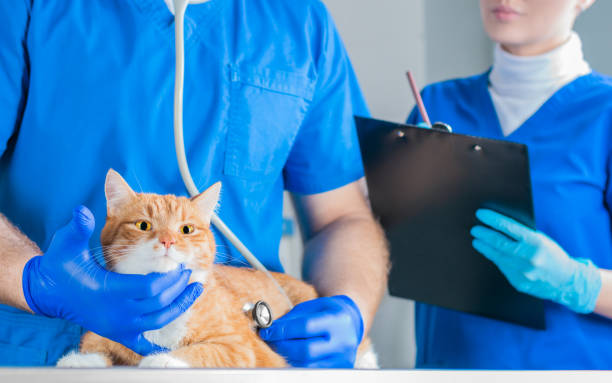
Emergency events strike without warning. Floods, fires, storms, or disease outbreaks can leave you scrambling to protect your animals and your home. You may think of emergency care as something that only happens in a crisis room. Yet your routine visits and phone calls with a general veterinary clinic quietly shape your readiness long before trouble starts. Regular exams, vaccine updates, and clear records give you a strong base. Careful planning with your veterinarian in New Milford or your local clinic helps you know what to pack, where to go, and how to move your animals fast. Simple steps like microchips, current tags, and written care plans lower panic when every minute counts. Each yearly checkup is a chance to close gaps, ask hard questions, and protect your animals and your family from chaos.
How routine care builds emergency strength
General veterinary visits do more than treat coughs or cuts. These visits build a strong shield for sudden events. Your clinic keeps records, tracks patterns, and spots risks early. That support matters when roads close or phone lines fail.
Through routine care your veterinarian helps you:
- Keep vaccines current so disease risk stays low if you must shelter with others
- Manage chronic conditions so your animal can handle stress and travel
- Maintain current weight and basic fitness for quick movement and transport
Healthy animals handle smoke, heat, cold, and crowding better. They recover faster after shock. Routine care turns into quiet protection when sirens start.
Medical records and identification during chaos
In every large disaster people lose animals. Gates break. Windows shatter. Carriers crack. Strong records and clear identification raise the odds that you reunite.
Your general veterinary clinic helps you prepare through:
- Microchip placement and registration
- Current tags with your cell number and a backup contact
- Printed and digital copies of vaccine and medical records
Store copies of records in three places. Keep one at home in a grab bag. Keep one in your car. Keep one online or on a phone. The Federal Emergency Management Agency offers clear guidance for pets in disasters at https://www.fema.gov/assistance/individual/program/pets. Combine that guidance with your clinic’s advice for your specific animals.
Emergency kits and evacuation plans
Your veterinarian helps you choose what belongs in an emergency kit. That kit should match your animal’s age, size, and medical needs. It should also match your local risks such as wildfire, flood, or winter storms.
Ask your clinic to help you build a kit that includes:
- At least three days of food and water for each animal
- Two weeks of medicine in labeled bottles
- Leashes, carriers, muzzles, and bedding
- Copy of records and a current photo of you with your animal
Next, use your veterinarian’s input to shape an evacuation plan. That plan should cover three points. Decide where you will go. Decide who will help you load and move animals. Decide who will care for them if you are hurt.
The Centers for Disease Control and Prevention offers simple pet disaster tips at https://www.cdc.gov/healthypets/emergencies/index.html. Bring those tips to your next visit. Ask your veterinarian to adjust them for your species and your household.
Medication management when supplies break down
Many animals rely on daily medicine. Heart disease, diabetes, seizures, and pain do not pause for a storm. General veterinary services keep you ready when pharmacies close or shipping delays stretch out.
During routine visits you can work with your veterinarian to:
- Maintain a small backup supply of essential drugs
- Learn safe storage if power fails or heat rises
- Understand which drugs you can stretch and which you cannot
Ask clear questions. How long can this drug stay safe without a fridge. What happens if a dose is late. Which signs mean you must seek care even during a disaster. Direct answers lower fear when you face hard tradeoffs.
Behavior, training, and handling under stress
Scared animals bite, kick, or flee. Calm handling saves time and reduces injury. Your general veterinary team sees your animal in many moods. That view helps them coach you on behavior that becomes dangerous during emergencies.
Use routine visits to:
- Practice safe muzzle use for dogs
- Review gentle restraint for cats and small mammals
- Discuss loading practice for horses and livestock
Request written steps you can post near doors or stalls. Simple, clear steps help a neighbor or first responder move your animals if you are away.
How general care compares to emergency-only care
Some owners wait for a crisis before they seek help. That choice carries a cost. Regular general care gives you more control and more options when disaster hits.
| Type of care | Before an emergency | During an emergency | After an emergency |
|---|---|---|---|
| General veterinary services | Builds health, records, and plans | Provides phone guidance and quick review of known patients | Supports follow up care and mental recovery |
| Emergency-only visits | Leaves gaps in records and supplies | Focuses only on life saving steps with limited history | May miss slow problems that grow after the event |
Routine care gives your veterinarian context. That context speeds decisions when each second feels heavy.
Steps you can take before your next visit
You do not need to wait for a storm watch to act. You can start small and steady.
- Gather current tags, microchip numbers, and photos in one folder
- List every medicine, dose, and refill source
- Write the names and phone numbers of two backup caregivers
Bring this folder to your next appointment. Ask your veterinarian to review it. Request clear changes in writing. Then repeat this review once a year.
Emergency events will always bring fear. With help from your general veterinary clinic, that fear does not have to turn into regret. Careful everyday choices create a shield for the worst day you hope never comes.
