



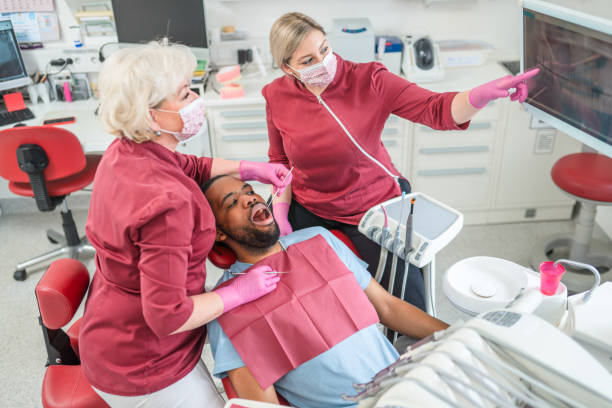
You might put off routine dental visits because life feels heavy or your mouth seems fine. That choice carries a quiet cost. Routine checkups protect you from pain, expense, and regret. You catch small problems before they turn into deep infections, broken teeth, or lost sleep. You also learn what your gums and teeth need right now, not years from now. During a checkup, your Cherry Creek dentist checks for decay, gum disease, oral cancer, and wear from grinding. You also get a cleaning that reaches places your brush misses. Regular visits support your health far beyond your smile, including your heart and blood sugar control. Skipping them can shorten the life of your teeth. This blog explains why routine care is a basic part of general dentistry and how it can keep you steady, safe, and ready for what comes next.
What Happens During A Routine Checkup
A routine visit is simple. It follows three steps.
- Review of your health history and daily habits
- Careful exam of your teeth, gums, and mouth
- Cleaning that removes plaque and tartar
First, staff ask about your health, medicines, and any pain. This helps your dentist plan safe care. Next, your dentist checks each tooth, your gums, your tongue, and the soft tissue in your cheeks and throat. Your dentist may use small X rays to see between teeth or under old fillings.
Finally, a hygienist or dentist removes plaque and tartar. You also get polishing and flossing. You leave with a clear picture of your mouth and a plan for what comes next.
Why Routine Checkups Matter For Adults
Adult mouths carry years of stress. Work, family, smoking, grinding, and tight budgets all leave marks. Routine visits help you manage three risks.
- Tooth decay
- Gum disease
- Oral cancer
Tooth decay can start in small hidden spots. You may not feel pain until decay reaches the nerve. Regular exams catch decay when a simple filling can fix it. Gum disease often starts with red or bleeding gums. If you wait, bone can shrink and teeth can loosen. Research from the Centers for Disease Control and Prevention shows that nearly half of adults over 30 have some form of gum disease.
Oral cancer can grow in quiet spots. Your dentist checks for unusual sores, patches, or lumps. Early treatment can save your ability to eat, talk, and smile with comfort. Waiting can cost you much more than teeth.
Why Routine Checkups Matter For Children And Teens
Children and teens need steady dental care as their mouths grow. Routine visits help you guard three key parts of their health.
- Healthy baby and adult teeth
- Jaw and bite growth
- Daily brushing and food habits
Baby teeth hold space for adult teeth. Cavities in baby teeth can spread infection and pain. They can also affect speech and school performance. Your dentist checks that adult teeth come in at the right time and position. Early care can limit the need for major work later.
Routine visits also give your child a safe space to learn. Your dentist and hygienist can teach brushing, flossing, and snack choices in simple steps. That guidance can help your child avoid fear, shame, and future dental debt.
Routine Checkups And Your Whole Body
Your mouth connects to your whole body. Bacteria from gum disease can move into your bloodstream. This can affect your heart and blood vessels. Studies also link gum disease to harder blood sugar control in people with diabetes. The National Institute of Dental and Craniofacial Research explains these links.
Routine dental visits give your medical team better insight. Your dentist may be the first person to notice signs of:
- Uncontrolled diabetes
- Sleep apnea from grinding or jaw shape
- Eating disorders that erode enamel
Early notice can push you to seek medical care before problems grow into crisis.
Costs Of Routine Care Versus Emergency Care
Many people skip visits because of money or fear of judgment. That choice can backfire. Routine care almost always costs less than emergency care. It also hurts less and takes less time away from work and family.
Typical Dental Care Comparison
| Type of visit | Reason | Average visits needed | Estimated cost range |
|---|---|---|---|
| Routine checkup and cleaning | Prevention and early detection | 1 visit every 6 months | Low |
| Filling | Untreated small cavity | 1 visit | Low to medium |
| Root canal and crown | Deep decay or cracked tooth | 2 to 3 visits | High |
| Tooth removal and replacement | Severe infection or damage | Several visits | Very high |
Costs vary by location and insurance. The pattern stays the same. Routine care keeps problems small. Late care often means longer visits, stronger medicine, and higher bills.
How Often You Should Schedule Checkups
Most people need a checkup every six months. Some people need visits more often. Your dentist may suggest three or four visits a year if you have:
- Diabetes
- History of gum disease
- Many fillings, crowns, or implants
- Dry mouth from medicine or health issues
- Smoking or vaping habits
Children also need regular visits starting with the first tooth or by age one. Early visits help you handle thumb sucking, bottle use, and snacks that raise decay risk.
How To Prepare For A Routine Visit
You can make each visit count. Before your appointment, write down:
- Any pain, bleeding, or sensitivity
- New medicines or health diagnoses
- Changes in sleep, grinding, or jaw pain
Bring your list and share it openly. Ask three simple questions.
- What do you see that worries you
- What can I do at home to improve
- When should I come back
Clear questions help you leave with a plan that fits your life and budget.
Taking The Next Step
Routine dental checkups are not a luxury. They are a basic part of general dentistry that guard your health, your wallet, and your peace of mind. You deserve a mouth that lets you eat, speak, and smile without fear. You also deserve care that catches trouble early.
If it has been more than six months since your last visit, schedule a checkup now. Start with one visit. Use it to learn where you stand and what small steps will protect you. With steady routine care, you lower the chance of sudden toothache, late night trips to urgent care, and painful choices between health and money. Your future self will feel deep relief that you acted today.
