



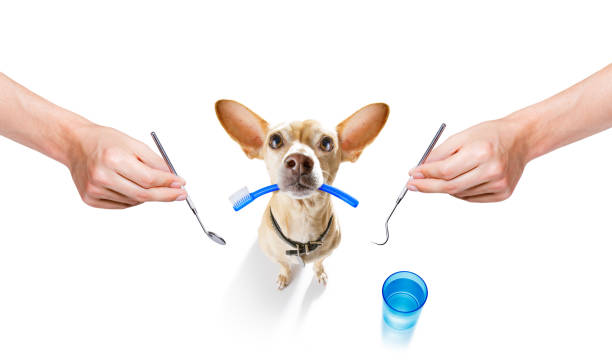
Preventive dental care at animal hospitals protects your pet from slow, silent pain. You might not see the early signs of trouble. Your pet often hides them. Routine mouth checks and cleanings stop disease before it harms the heart, kidneys, or joints. You also avoid emergency visits that drain your time and money. Each exam gives you clear answers about your pet’s teeth, gums, and breath. You know what is happening and what to do next. This guidance is especially important when you search for trusted support like Niagara falls ON veterinary services services. Here are three key benefits you gain. Your pet feels steady comfort. You catch problems early. You build a long, steady bond with your animal through simple daily care.
1. Less Pain And Infection For Your Pet
Dental disease hurts. It hurts every time your pet chews, swallows, or even yawns. Gum infection can spread to the bone that holds each tooth. Rotten teeth can crack. Abscesses can form. Your pet may still eat, but every bite can sting.
Regular dental care at an animal hospital cuts this pain. Your team checks for:
- Red or swollen gums
- Broken or loose teeth
- Brown tartar near the gum line
- Bleeding or pus near a tooth
Each cleaning removes the hard tartar you cannot reach at home. Your pet usually rests under anesthesia during this work. This keeps your pet still and calm. It also lets the team clean under the gums where infection starts. The result is a mouth that feels clean, steady, and safe.
When you treat mouth disease early, you give your pet quiet comfort. Your pet can chew, play, and groom without constant ache. This is not a luxury. It is basic care, like food, water, and shelter.
2. Lower Risk Of Health Problems In Other Organs
Mouth infection does not always stay in the mouth. Bacteria from diseased gums can enter the blood. Over time, this can strain the heart, liver, and kidneys.
The American Veterinary Medical Association explains that most dogs and cats show some sign of dental disease by age three. That is early in life. Without care, this slow infection can last for years. You may see only bad breath. Inside the body, the damage keeps growing.
Preventive dental visits help protect the whole body. Each visit gives your team a chance to:
- Review heart and lung sounds before anesthesia
- Check for weight loss that hints at pain or illness
- Order blood work when needed
- Spot patterns that link teeth and organ health
This routine lets you catch risk early. It also lines up with healthy habits you follow for yourself. You clean your own teeth to protect your mouth and heart. Your pet needs the same steady pattern.
3. Lower Long Term Costs And Fewer Emergencies
Emergency dental care is rough. It often comes after a tooth breaks, an abscess bursts, or a pet stops eating. You face urgent choices. You may also face higher costs for surgery, hospital care, and strong medicine.
Preventive care spreads the work out over time. You pay for checkups and cleanings on a planned schedule. You also avoid many sudden crises. The United States Centers for Disease Control and Prevention shares that preventive oral care in people saves money by cutting the need for major treatment. The same logic applies to pets, even though the CDC does not treat animals. Early care means less damage to repair.
The table below shows a simple comparison.
| Type of dental care | Typical timing | Common costs | Stress level for you and your pet |
|---|---|---|---|
| Preventive checkups and cleanings | Once a year or as advised | Planned, smaller visits | Lower. You can plan and prepare |
| Untreated dental disease | Slow change over months or years | Growing costs as damage builds | Hidden. You may not notice until late |
| Emergency dental surgery | Sudden event after long neglect | High, all at once | High. Pain, worry, and rushed decisions |
This comparison is simple. It shows why steady care is easier on your wallet and your nerves. You spread costs out. You also give your pet a calmer life.
What You Can Do At Home Between Visits
Animal hospitals handle deep cleanings. You still play a strong part at home. Your daily choices shape your pet’s mouth health between visits.
Here are three steps you can start now.
- Brush your pet’s teeth. Use pet-safe toothpaste and a soft brush. Start with short sessions. Let your pet lick the paste. Then touch the teeth for a short time. You build trust day by day.
- Use dental treats or special diets. Some products help slow plaque. Look for items your veterinary team supports. Ask about size, texture, and how often to give them.
- Check your pet’s mouth each week. Gently lift the lips. Look and smell. Watch for red gums, dark tartar, broken teeth, or a strong odor. Call your animal hospital if anything seems off.
You can find more tips on pet dental care from educational groups such as the Ohio State University Veterinary Medical Center. These guides explain what to expect from cleanings and how to support your pet before and after a visit.
How To Talk With Your Veterinary Team
Strong preventive care starts with clear talk. You do not need special terms. Plain words are enough.
You can ask:
- How healthy are my pet’s teeth and gums today
- What grade of dental disease do you see
- What do you suggest for cleaning and how often
- What can I do at home that will help the most
- What should I watch for that means I need to call right away
Each answer gives you power. You become your pet’s steady advocate. You also build a clear plan with your team. Together, you prevent pain instead of only reacting to it.
Closing Thoughts
Preventive dental care at animal hospitals gives you three strong benefits. You reduce pain and infection. You lower the risk to the heart, kidneys, and other organs. You also cut long-term costs and sudden emergencies. Each checkup is a chance to protect your pet’s comfort and your own peace of mind.
Your pet trusts you without words. Regular dental care honors that trust. You choose action before a crisis. You choose a mouth that feels calm, a body that stays stronger, and a home with less fear. That is the real power of preventive care.
