



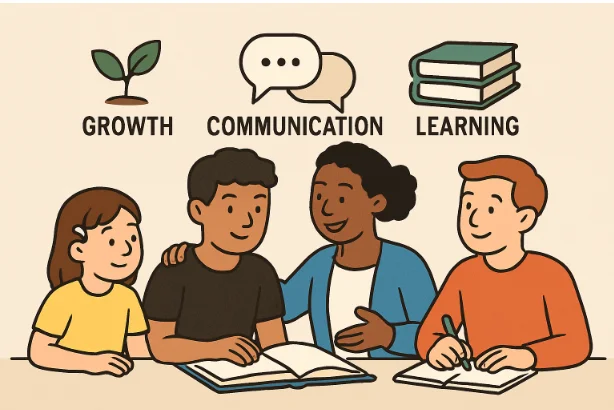
What Is Behavior Analysis?
Behavior analysis is the scientific study of how people learn and respond to their surroundings. It examines the connection between actions and the events that shape them, helping explain why certain behaviors occur. By recognizing these patterns, behavior analysis can support meaningful change in communication, learning, and daily routines. Its principles are widely applied in education, healthcare, and developmental support.
Behavior analysis offers structured methods to encourage positive skills and reduce challenges in the context of developmental growth. A common approach is applied behavior analysis, often introduced when people ask what is ABA therapy, as it relies on reinforcement and evidence-based techniques to guide progress. Breaking down complex tasks into manageable steps helps individuals develop independence, enhance social skills, and attain long-term progress.
Behavior Analysis In Early Childhood
Early childhood is a time of rapid learning, curiosity, and social exploration. During these formative years, behavior analysts work closely with families and educators to identify strengths and areas needing support. Evidence-based interventions—such as positive reinforcement, modeling, and structured routines—lay the groundwork for communication, play, and emotional regulation.
A typical example involves reinforcing language use. If a child asks for a toy using words, providing access to it or verbal praise can increase the likelihood they’ll communicate again. These practical, daily strategies empower young children to build independence, nurture creativity, and form positive social bonds. For those facing particular challenges, such as delays in speech or difficulty adapting to new routines, customized behavioral interventions can make a measurable difference by addressing individual learning needs.
Guiding Growth In School-Age Years
As children transition to school, they encounter new expectations and social settings. Behavior analysis continues to play a vital role in fostering adaptability, academic engagement, and healthy social relationships. Many schools embrace behavior analytic methods in forming Individualized Education Plans (IEPs), ensuring that students—especially those with learning differences—receive targeted, supportive instruction.
Collaboration is critical. Teachers, behavioral specialists, counselors, and families often collaborate to create structured routines, reinforce participation, and prevent challenging behaviors. Consistent feedback loops help students self-monitor progress, while individualized supports make inclusion meaningful for all.
Addressing Developmental Challenges
Each child’s development follows a unique timeline, and some encounter challenges in communication, social skills, or daily routines. Behavior analysis provides clear, structured support for these children and their families by breaking down complex behaviors into simple, manageable steps. Applied behavior analysis (ABA) is particularly effective in helping children with autism spectrum disorder (ASD) and other developmental differences.
ABA techniques include detailed assessment, individualized goal-setting, and continuous progress measurement. By focusing on specific, observable behaviors and adjusting strategies as needed, ABA practitioners help children achieve consistent, meaningful improvement at home and in community settings. This tailored approach ensures that positive change is accessible regardless of initial skill level.
Supporting Adolescents And Young Adults
Adolescent years usher in greater independence, self-discovery, and social complexity. Behavioral interventions at this stage shift toward teaching self-management, problem-solving, and decision-making skills. Adolescents benefit from strategies such as goal charts, checklists, and peer-supported group activities—all designed to reinforce responsible choices and healthy risk-taking.
These tools promote resilience and self-confidence, making them valuable for those with developmental challenges and for all young people navigating transitions. Ongoing feedback and positive reinforcement remain central, helping teenagers meet new demands and plan for successful adult lives.
The Vital Role Of Caregivers And Communities
The success of behavioral interventions depends on active collaboration between caregivers, educators, and communities. When everyone embraces behavioral principles, routines, and expectations become more consistent across home, school, and public settings. This consistency helps skills “stick” and supports generalization—meaning individuals can use their new abilities in a range of different environments.
Community organizations, workplaces, and even recreational programs increasingly integrate behavior analytic principles to create inclusive, supportive spaces. Open communication and shared strategies ensure intervention is not isolated but enhanced by every environment a person enters, setting a foundation for lifelong learning and adaptive skill-building.
Final Thoughts And Practical Tips
Embracing the principles of behavior analysis offers individuals, families, and professionals powerful tools for supporting growth at every stage of life. To integrate these strategies effectively:
- Observe behaviors closely and look for consistent patterns
- Set clear and achievable developmental goals
- Apply positive reinforcement regularly and fairly
- Collaborate with schools, communities, and support networks
- Seek support and training from qualified professionals
Viewing behavior through a scientific lens creates opportunities for greater independence, skill-building, and holistic development. With growing research, collaboration, and accessible tools, behavior analysis remains a guiding force in helping individuals of all ages and abilities reach their fullest potential.
