



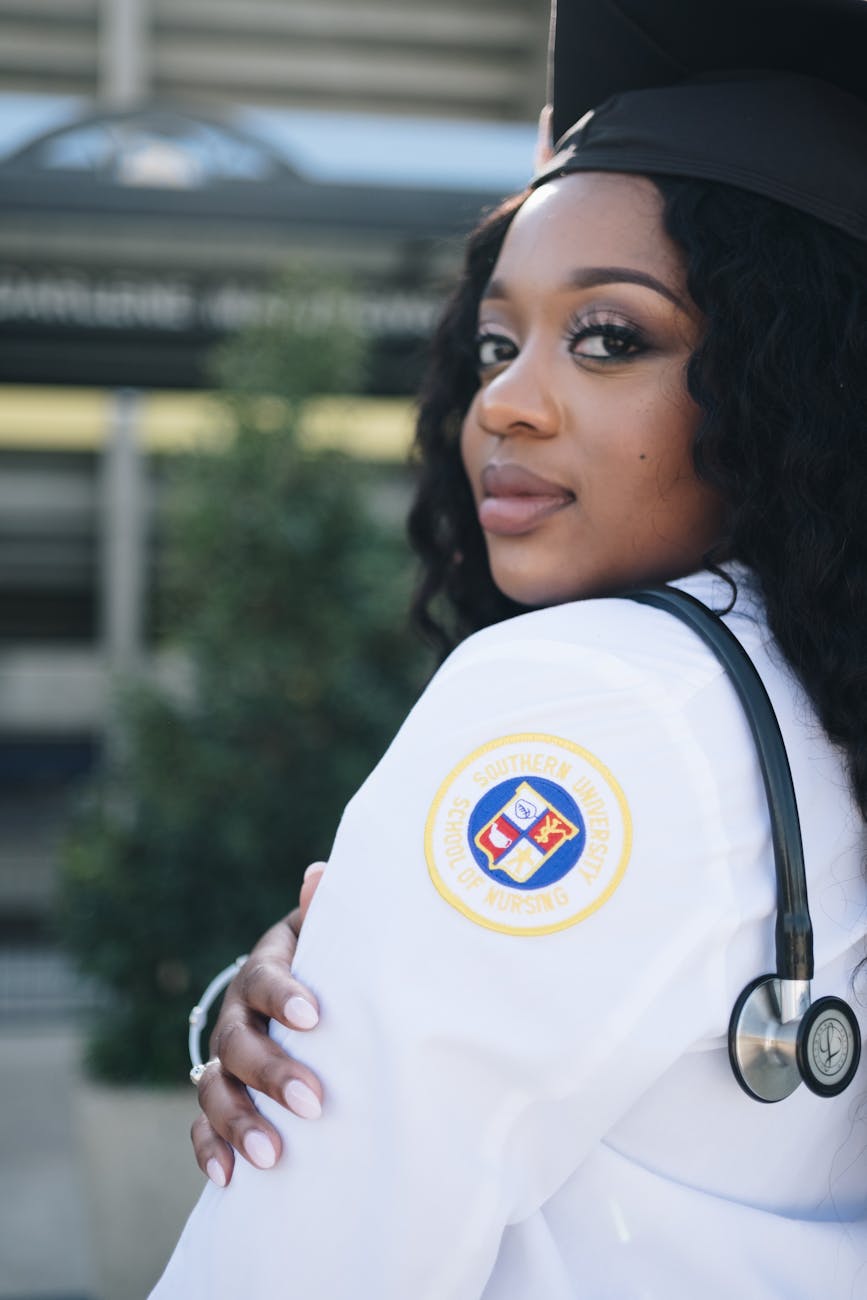
Making the leap from Registered Nurse (RN) to Nurse Practitioner (NP) marks a transformative moment in a nurse’s professional journey. It requires ambition, advanced clinical training, and a desire for greater autonomy within your work-life.
While all NP roles share the foundational shift toward diagnosing and managing patient care, Family Nurse Practitioners (FNPs) in particular step into a versatile and impactful space, serving patients across lifespans and health stages. The transition isn’t without challenges, but it’s one marked by growth, purpose, and increasingly flexible pathways.
Understanding the RN to NP Transition
Registered nurses often begin their careers grounded in bedside care, developing hands-on experience, deep patient empathy, and refined technical skills. Over time, many seek more responsibility, deeper involvement in treatment planning, and a voice in preventative care. That’s where becoming an NP comes in.
To transition, RNs must earn a graduate degree, typically a Master of Science in Nursing, and become a certified nurse through national board exams relevant to their chosen specialty. NP programs build on RN experience while expanding clinical competencies in diagnostics, pharmacology, patient counseling, and evidence-based practice.
This shift also involves a philosophical change; RNs carry out medical orders with a care team, NPs lead care plans, diagnose conditions, prescribe medications, and serve as a primary care provider in many states. The path demands rigorous education and clinical training, but for many, it’s a fulfilling move toward shaping healthcare from the front line.
Why FNPs Are in High Demand
Among NP specialties, Family Nurse Practitioners stand out for their breadth of practice. FNPs care for patients across all age groups, from infants to the elderly, focusing on wellness, preventative care, and chronic disease management. Their ability to form long-term relationships with families and deliver holistic care makes them invaluable in both rural and urban settings.
According to the American Association of Nurse Practitioners, as of 2024, over 70% of active NPs are certified as FNPs, underscoring their popularity and necessity. The Bureau of Labor Statistics projects a 38% growth in NP roles between 2022 and 2032, driven largely by the need for accessible primary care providers.
FNPs frequently work in community clinics, private practices, urgent care centers, and even telehealth platforms. They are uniquely positioned to ease the burden on overextended physician systems while offering personalized and continuous care.
MSN to FNP Programs: Focused Learning with Flexible Options
Taking a course that specifically focuses on your chosen specialization, like MSN to FNP programs, may help you fast-track the process and remain focused on your goals.
These programs cater to working nurses who already hold a BSN or MSN and want to pivot into an advanced practice role. Many universities offer flexible online formats, allowing students to complete coursework asynchronously while fulfilling clinical practicum hours in their local communities.
Many programs in the United States include courses in advanced health assessment, pathophysiology, pharmacology, and family practice management. Importantly, they prepare students for national FNP certification exams through the American Nurses Credentialing Center or the American Academy of Nurse Practitioners Certification Board.
Realities Nurses Face in the Transition
This career shift comes with logistical and emotional adjustments that must not be overlooked if you’re interested in making the change.
For starters, managing coursework while working full-time requires resilience and planning. Time management becomes a cornerstone of success, especially for those balancing family life alongside school and clinical requirements.
Financial investment is another consideration; tuition, certification fees, and lost income during clinical rotations can add up. However, many hospitals and healthcare systems offer tuition reimbursement, and federal initiatives to help ease the financial strain for those working in underserved communities.
Finally, adapting to the expanding scope of practice may bring moments of doubt or imposter syndrome. Taking on diagnosing and prescribing authority can feel daunting, even for seasoned RN’s. But mentorship, peer support, and simulation-based learning help to bridge those gaps.
–
Graduation from an MSN to FNP program isn’t simply a credential; it’s a brave leap into aiding your community with wider influence, higher learning potential, and a role with enduring relevance.
Whether you’re just beginning to explore options or are ready to commit, taking focused steps toward specialization is a smart move. With evolving program formats and growing demand, there’s never been a better time to turn the commendable aspiration into reality.
