



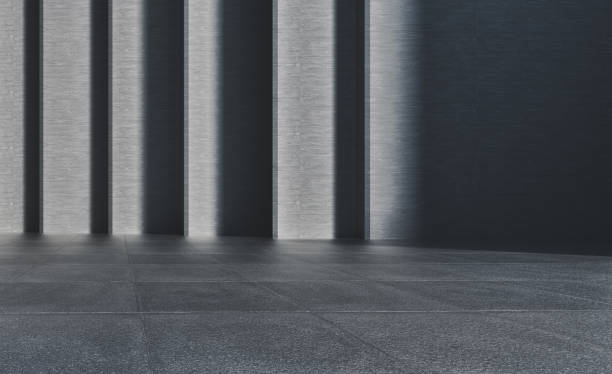
When people talk about interior design, color often steals the spotlight. Yet it’s texture and tone working together that truly shape how a space feels. These elements influence whether a room feels calming or energizing, cozy or refined, welcoming or stark. They work quietly in the background, but their impact is immediate the moment you walk into a space.
Understanding how texture and tone interact can help transform a home without the need for dramatic changes or bold statements.
Why Texture Matters More Than You Think
Texture affects how a room feels on both a visual and emotional level. Smooth, glossy surfaces tend to reflect light and create a clean, contemporary atmosphere. Rougher or more tactile finishes absorb light and soften a space, making it feel more relaxed and lived in.
Think about the difference between a sleek, tiled bathroom and one that incorporates natural materials. The addition of wood, stone, or woven elements instantly brings warmth and balance. Even small touches, such as linen towels or textured wall finishes, can shift the mood from clinical to comforting.
Tone Sets the Emotional Temperature
Tone refers to the warmth or coolness of a color rather than the color itself. Warm tones like soft browns, beiges, and muted earth shades tend to create a sense of comfort and ease. Cooler tones such as grays, blues, and crisp whites can feel calm and spacious, but if overused they may come across as impersonal.
A well-designed space usually blends both. Warm tones ground the room and make it inviting, while cooler tones provide contrast and keep the design feeling fresh. The balance between the two determines whether a space feels restful, energizing, or somewhere in between.
Natural Materials Create Emotional Balance
One of the most effective ways to harmonize texture and tone is through natural materials. Wood is particularly powerful in this respect. It introduces organic texture while naturally sitting within a warm tonal range, making it versatile across different styles.
In areas like bathrooms, where surfaces are often hard and reflective, adding wood can dramatically alter the atmosphere. Choosing wood flooring Ampthill helps soften the room visually while adding a sense of understated luxury. The result is a space that feels calm, grounded, and intentionally designed rather than purely functional.
How Light Changes Texture and Tone
Lighting plays a crucial role in how texture and tone are perceived. Natural light highlights grain, depth, and surface variation, bringing textured materials to life. Artificial lighting, particularly warm-toned bulbs, can enhance cozy textures and soften cooler color palettes.
This is why the same material can feel very different from one room to another. A textured surface in low, warm light feels intimate, while the same surface in bright, cool light can feel more structured and modern.
Layering for Depth and Comfort
Rooms that feel flat often rely on too few textures or tones. Layering is the key to creating depth. This might include combining smooth walls with textured flooring, soft furnishings with structured furniture, or matte finishes alongside subtle sheen.
Layering doesn’t mean clutter. When done thoughtfully, it allows each element to support the others, creating a space that feels complete and comfortable without being overwhelming.
Texture and Tone as Long-Term Design Choices
Unlike trends that come and go, texture and tone have lasting influence. They affect how a space feels day after day, not just how it looks in photos. Investing in materials and finishes that feel good to live with pays off over time, creating rooms that people naturally want to spend time in.
When texture and tone are in balance, a space doesn’t need to shout to make an impression. It simply feels right, and that’s where good design quietly proves its value.
