



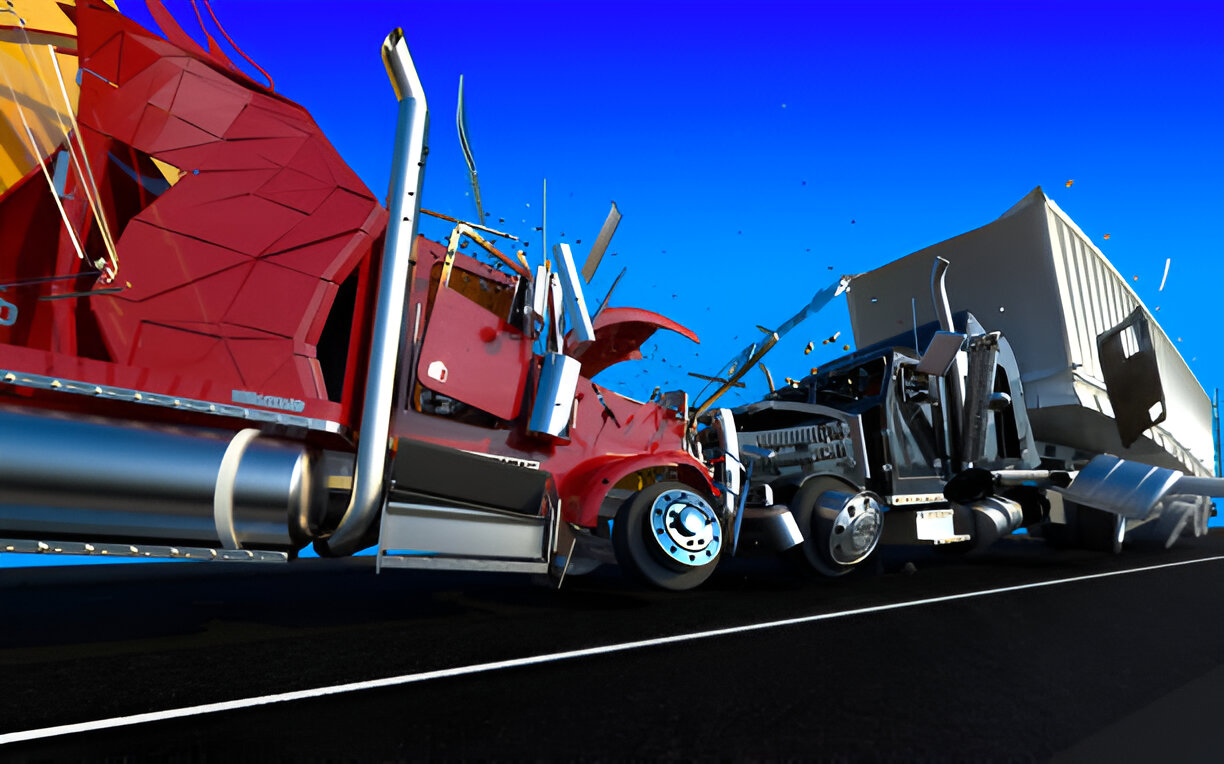
How Big-Rig Collision Investigations Work: Evidence, Black Boxes, & ReconstructionInvestigating a big-rig collision involves multiple layers of evidence collection, analysis, and expert interpretation. These investigations typically begin at the scene, where law enforcement and accident specialists document physical evidence such as skid marks, vehicle damage, and roadway conditions. One critical component is the truck’s “black box” or electronic logging device, which records speed, brake usage, and driver activity before the crash. This data can provide invaluable insight into the cause of the accident.
Reconstruction experts often use this evidence to recreate the events leading to the collision. Their findings are crucial in determining liability and understanding what went wrong. If you or someone you know needs big rig accident representation, working with experienced legal professionals can ensure all crucial evidence is appropriately collected and interpreted. Their skill in handling truck accident cases helps protect victims’ rights and secures vital compensation for injuries and losses resulting from these catastrophic events.
Collecting Physical Evidence
Investigators prioritize preserving the scene after a big rig accident and gathering physical evidence. This includes photographing the area, measuring skid marks, and documenting vehicle positions to estimate speeds and collision angles. They may also create detailed maps or use drones for data collection. Evidence like tire tread impressions can provide insights into each driver’s actions. Traffic surveillance footage and eyewitness testimonies further support the investigation. By cross-referencing multiple data sources, investigators can clarify events and strengthen their conclusions.
Analyzing Black Box Data
Modern commercial trucks have Event Data Recorders (EDRs), or “black boxes,” that automatically log key parameters like speed, engine RPM, and braking details. This data provides an accurate timeline of the truck’s actions before and during a crash, helping to determine driver behavior.
Analyzing black box data requires specialized skills and equipment. It can reveal violations such as fatigue from too many driving hours or delayed reactions. The analysis may also uncover mechanical failures or tampering that could affect liability in complex cases.
Reconstructing the Accident
Accident reconstruction is a scientific process that combines physical, digital, and testimonial evidence to recreate events before, during, and after a collision. Specialists use data-driven modeling and computer simulations to analyze trajectories, collision points, and body dynamics in high-speed impacts. The accuracy of this process relies on thorough scene documentation and EDR downloads.
Experts can evaluate various scenarios to determine the most likely events, essential in legal proceedings where witness accounts may be ambiguous. Findings are often displayed visually to assist juries and judges in understanding complex technical details.
Role of Expert Witnesses
Given the complex technical and regulatory landscape of commercial trucking, expert witnesses are often vital in significant rig accident cases. These individuals might include accident reconstructionists, mechanical engineers, or forensic scientists who can interpret black box readings and physical evidence. In addition, experts in trucking regulations, vehicle maintenance, or driver medical fitness offer powerful, credible testimonies regarding negligence and compliance failures.
Their objective, data-backed conclusions frequently prove decisive for juries seeking clarity on highly technical issues. Medical experts may also be called to quantify the extent of injuries and project future care costs—information crucial for appropriate compensation.
Challenges in Investigations
Investigating collisions involving large trucks, or big rigs, requires careful navigation of complex state and federal regulations, particularly those set by the Federal Motor Carrier Safety Administration (FMCSA). Multiple parties can bear responsibility in these incidents, including truck drivers, their employers, and maintenance contractors, which adds to the situation’s complexity.
Issues such as falsified logbooks, improper cargo loading, and a lack of access to critical data can create significant challenges. Furthermore, defense teams representing trucking companies often move quickly to present their narrative, making it crucial for victims and their legal teams to preserve evidence as soon as possible. In some cases, this may require court intervention to safeguard necessary documentation.
Importance of Thorough Investigations
A thorough investigation after a big rig accident is crucial for identifying the root cause and responsible parties, ultimately enhancing public safety. By preserving the scene, collecting data systematically, and involving experts, we can ensure a complete analysis without bias. Insights from these investigations support victims, help policymakers create safer roads, and enhance accountability in the trucking industry. Continuous improvements in evidence gathering and crash reconstruction will reduce tragedies on America’s highways.
