



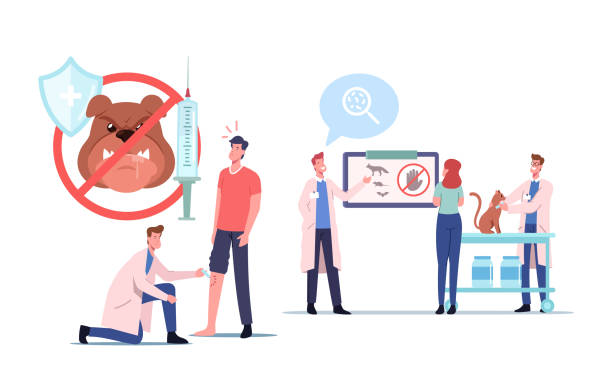
Parasites cause pain, sickness, and sometimes death. You want your pet to be safe. Clinics know this and treat parasite prevention as a daily duty, not a side task. A veterinarian in Newmarket, ON uses planned steps to keep fleas, ticks, worms, and other threats away from your pet and your home. First, clinics check each pet’s risk based on age, lifestyle, and health. Next, they build a simple schedule for tests, vaccines, and prevention medicine. Finally, they track results and adjust when seasons change or new risks appear. You see this as quick visits and routine tests. Behind the scenes, staff run tight systems, double-check records, and follow strict rules. You do not need to guess or worry. You only need to know what program your clinic uses, what your role is at home, and how to ask clear questions about parasite control.
Why Clinics Treat Parasites As An Emergency
Parasites do more than cause itching. They spread infections to pets and people. Ticks carry Lyme disease. Mosquitoes spread heartworm. Fleas cause skin infection and blood loss. Intestinal worms steal nutrients and can move into organs.
Public health agencies track these threats. The U.S. Centers for Disease Control and Prevention explains how fleas, ticks, and mosquitoes pass disease between animals and humans at this page on zoonotic diseases. Clinics study this guidance and turn it into daily routines. The goal is simple. Stop parasites before they ever reach your home.
Step 1: Risk Check At Every Visit
Each prevention program starts with a basic risk check. Staff ask clear questions.
- How old is your pet
- Does your pet go outside
- Do you camp, hike, or visit cottages
- Do you have young children or older adults at home
- Is your pet on any medicine today
Next, the clinic runs simple tests when needed. These may include stool tests for worms and blood tests for heartworm and tick diseases. The Ontario Veterinary College shares guidance on parasites that affect pets and people through the Canadian Parasitology Expert Panel at this resource page. Clinics use such science to decide which tests matter most in your region.
Step 2: Building A Clear Prevention Plan
After the risk check, the team creates a plan that covers three core needs.
- Routine testing
- Year round or seasonal prevention medicine
- Home care steps for you and your family
The plan is written in your pet’s record. Staff explain which products to use, how often, and for how long. They keep the schedule simple so you can follow it without stress. Many clinics match parasite checks with yearly exams and vaccines, so you do not need extra trips.
Common Parasites And How Clinics Respond
Clinics see the same main threats often. They respond with clear action. The table below gives a simple comparison.
| Parasite type | How pets get it | Key health risks | Clinic prevention steps | Home steps for you |
|---|---|---|---|---|
| Fleas | Contact with other pets or flea eggs in the home and yard | Itching, skin infection, blood loss, tapeworms | Monthly prevention products and treatment for all pets in the home | Wash bedding, vacuum often, treat home if needed |
| Ticks | Grass, bushes, wooded paths | Lyme disease and other infections | Tick prevention products and tick checks at exams | Check pet after walks, remove ticks promptly, avoid tall grass |
| Heartworm | Mosquito bites | Heart and lung damage, death | Yearly heartworm test and monthly prevention during risk season | Give prevention on time and limit mosquito exposure |
| Intestinal worms | Soil, infected feces, hunting small animals | Weight loss, diarrhea, risk to children | Regular stool tests and deworming schedule | Pick up feces quickly and keep play areas clean |
Step 3: Tracking, Reminders, And Records
Prevention only works when it stays on track. Clinics use three simple tools.
- Electronic records that show which products your pet received and when
- Reminder calls, texts, or emails for refills and yearly tests
- Quick checks during every visit to confirm no doses were missed
If you missed a dose, staff do not judge. They adjust the plan and restart protection. This quick correction helps avoid gaps that parasites can exploit.
Seasonal Changes And Local Risks
Parasite threats change with the weather. Tick season may start early after a mild winter. Mosquitoes may rise after heavy rain. Clinics follow regional reports and public health alerts. Then they adjust prevention timing.
You may hear advice like give tick prevention from early spring through late fall. Or keep heartworm prevention from June through November. Your clinic sets dates that match local data, not guesswork.
What You Can Do At Home
You share control of parasite prevention with your clinic. Three habits matter most.
- Give prevention products on the same day each month
- Watch for signs such as scratching, weight loss, or changes in stool
- Keep your yard clean and reduce tall grass and standing water
Also, teach children not to touch pet feces. Always wash your hands after playtime with pets. These small actions protect your family as well as your animals.
Questions To Ask Your Clinic
Clear questions help you understand your pet’s program. You can ask.
- Which parasites are common in this region
- Which tests does my pet need this year and why
- What is the exact schedule for each prevention product
- What side effects should I watch for
- How do I reach you if I miss a dose or see a problem
When you hear answers that feel confusing, ask the staff to restate in plain language. That is part of their job.
When To Call Right Away
Sometimes you should not wait. Call your clinic quickly if you notice any of the following.
- Heavy scratching or biting at the skin
- Visible worms in stool or around the tail
- Coughing, trouble breathing, or sudden tired behavior
- Ticks attached to the skin that you cannot remove safely
Fast action gives your pet relief and stops the spread to other animals and people.
Shared Responsibility For A Safe Home
Parasite prevention is not just a product. It is a shared routine between you and your clinic. Staff bring medical sskillsand strong systems. You bring daily care and attention to a home. Together, you close the door on fleas, ticks, worms, and heartworm. You protect your pet. You also protect your family and your community.
