



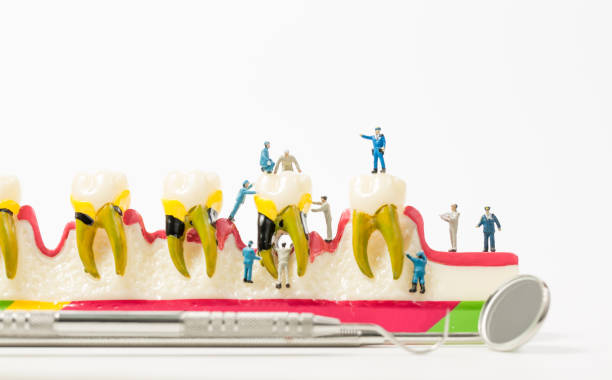
Healthy gums and strong teeth support your whole body. When you lose a tooth or struggle with gum disease, daily life changes. You may change how you eat, speak, or even smile. Periodontics and implant dentistry work together to stop that slide. First, periodontics focuses on the health of your gums and bone. Then implant dentistry replaces missing teeth with stable anchors. Together they protect your mouth from infection, shifting teeth, and bone loss. If you are thinking about Albuquerque dental implants, you also need healthy gums that can hold them. This blog shows how these two specialties support each other. You will see how gum treatment, careful planning, and long term maintenance all connect. You deserve clear answers and a solid plan.
1. Periodontists Build The Foundation For Implants
You cannot build a house on weak soil. Your mouth works the same way. Gums and jawbone form the base that holds each implant. Periodontists focus on this base.
They:
- Check your gums for swelling, bleeding, or infection
- Measure bone height and thickness around missing teeth
- Use X rays to see hidden bone loss
Next, they treat problems before any implant goes in. This can include deep cleaning around teeth, gum surgery, or bone grafts. The goal is simple. Create a clean, strong surface that can hug the implant.
The National Institute of Dental and Craniofacial Research explains how gum disease destroys bone that holds teeth and implants. You can read more at this NIDCR gum disease page. When you treat gum disease first, you lower the risk of implant failure and pain later.
2. Careful Planning Protects Your Health And Budget
Good planning prevents surprise problems. Periodontists and implant dentists often plan together. They share X rays, photos, and medical history. They talk through your goals and limits.
During planning, your team may:
- Map out where each implant should go
- Decide if you need bone grafts or gum reshaping
- Review medicines and health issues that affect healing
This teamwork protects you. It reduces the need for extra surgery. It also cuts the chance that you pay for work that does not last. Careful planning supports safe surgery, shorter healing, and a result that looks and feels natural.
3. Treating Gum Disease Before And After Implants
Gum disease does not stop on its own. It often spreads in silence. You might notice bleeding when you brush, bad breath, or loose teeth. If gum disease is active, it can attack the tissue around implants too. That infection is called peri implant disease. It can lead to pain and implant loss.
Periodontists work to control gum disease before implant surgery. They:
- Remove hard buildup under the gums
- Teach brushing and flossing methods that match your mouth
- Use medicines on the gums if needed
After implant placement, they keep watching. Regular cleanings and gum checks catch small changes early. The American Dental Association gives clear guidance on gum disease and home care at this MouthHealthy gum disease page. When you follow that advice and keep visits, you help your team protect your implants.
4. How Periodontics And Implants Compare To Other Tooth Replacements
People often ask if implants are worth the effort. The answer depends on your health, budget, and goals. Periodontics and implant dentistry offer a strong match for many adults because they work with your bone, not just your gums.
The table below compares common options.
| Tooth Replacement Type | Supported By | Effect On Bone | Stability When Eating | Typical Lifespan With Good Care |
|---|---|---|---|---|
| Dental implant with crown | Jawbone through titanium post | Helps keep bone level where implant sits | Strong and steady for most foods | Many years, often decades |
| Implant supported bridge | Two or more implants in bone | Protects bone around implants | Very steady across several teeth | Many years with clean gums |
| Traditional bridge | Nearby natural teeth | Bone under missing tooth continues to shrink | Stable but depends on support teeth | Often 7 to 10 years |
| Removable partial denture | Clips to nearby teeth and gums | Bone under missing teeth shrinks over time | Can move or rub when chewing | Often 5 to 8 years before remake |
| Full denture | Gums and jaw ridge | Bone loss often speeds up | May slip, click, or cause sore spots | Often 5 to 10 years |
This comparison shows why a strong gum and bone base matters. Periodontics protects that base. Implants use it. Together they give you a stable bite and a calmer mind when you eat in public or smile in photos.
5. Long Term Maintenance Keeps Your Smile Safe
Implants do not get cavities. The gums around them still get sick if plaque builds up. Long term care is not optional. It is the price of keeping what you worked for.
Your team will outline a maintenance plan. It often includes:
- Checkups every three to six months with a periodontist or dentist
- Professional cleanings around implants and natural teeth
- X rays to check bone around implants
- Review of brushing, flossing, and any cleaning tools you use
At home, you play the key role. You brush two times a day with a soft brush. You clean between teeth and around implants with floss, small brushes, or water cleaners. You watch for warning signs like bleeding, swelling, or a loose feeling. You call your dentist if you see changes. Quick action can save an implant and prevent wider damage.
Putting It All Together For Your Family
Periodontics and implant dentistry are not separate paths. They are two parts of one plan to protect your mouth. First, you fix gum and bone problems. Second, you place implants in a safe, planned way. Third, you keep up with care at home and at the office.
This approach helps you:
- Eat a wide range of foods with less fear
- Speak clearly without loose dentures
- Smile without covering your mouth
You deserve treatment that respects your health, time, and money. When you ask about implants, also ask who will manage your gums before and after surgery. Strong teamwork between periodontics and implant dentistry gives you the best chance for a stable, lasting smile.
