



Hot flashes are one of the most common symptoms of menopause, marked by sudden feelings of heat that spread across the face, neck, and chest. For some, these episodes are short and mild, while others experience frequent and disruptive surges that interfere with sleep and concentration.
Because they can affect daily comfort, many look for ways to manage them. Lifestyle changes, dietary adjustments, and options such as MENO menopause supplements are often explored to ease symptoms. Understanding what causes hot flashes and how to lessen them is the first step toward finding relief.
What Exactly Is a Hot Flash?
A hot flash is a sudden wave of warmth that can cause sweating, a flushed appearance, and sometimes chills once it passes. Episodes may last seconds or minutes and can occur at any time, including during sleep. While not harmful, they can be disruptive and uncomfortable.
The main cause is tied to hormonal changes during menopause. As estrogen levels drop, the hypothalamus (the part of the brain that regulates body temperature) can become more sensitive. This sensitivity leads the body to misinterpret normal temperature changes as overheating, which triggers the sudden response.
What Are Some Common Triggers of Hot Flashes?
Although hot flashes may seem random, certain factors often increase the chance of experiencing one. Stress and anxiety can raise body temperature and set off symptoms.
Foods and drinks such as caffeine, alcohol, and spicy meals are also common culprits. Hot environments, like crowded rooms or warm weather, can worsen the intensity. Smoking has been linked to more frequent and severe hot flashes as well.
It is important to remember that triggers vary between individuals. A food or activity that causes a hot flash for one person may not affect another. Keeping a simple journal of symptoms, daily habits, and diet can help identify patterns.
Recognizing personal triggers makes it easier to make adjustments that reduce both the frequency and severity of episodes.
What Lifestyle Strategies Can Help With Hot Flashes?
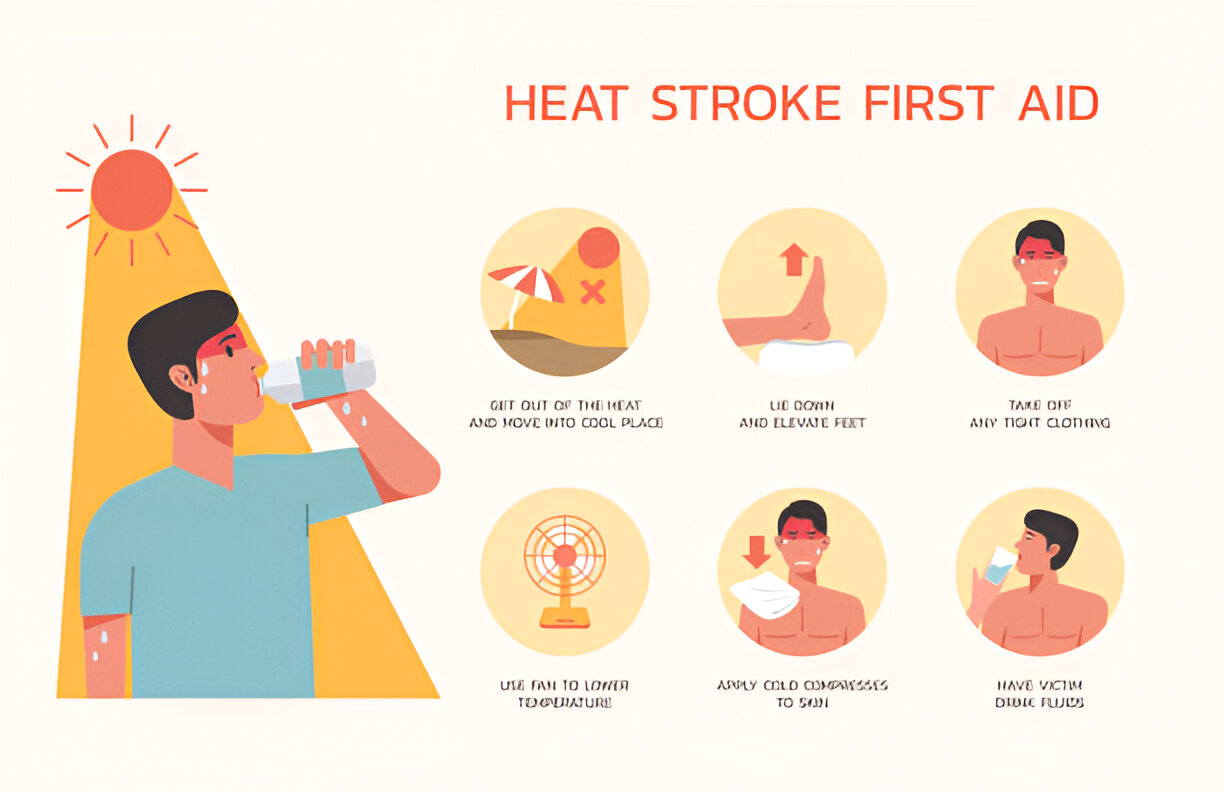
Practical changes in daily habits can make hot flashes easier to handle. Dressing in layers allows clothing to be adjusted quickly when warmth rises. Using fans, lowering the thermostat, or keeping a cool drink nearby can also provide relief. Staying well hydrated throughout the day supports the body’s ability to regulate temperature.
Stress management is another key strategy. Breathing exercises, yoga, or meditation can help calm the nervous system and reduce symptoms. Regular physical activity, even something as simple as walking, supports circulation, promotes better sleep, and has been linked to fewer hot flashes.
Dietary habits also play a role. Reducing caffeine and alcohol while focusing on balanced meals with plenty of fruits, vegetables, and whole grains can stabilize energy levels. Some people find that eating smaller meals throughout the day, rather than large portions, lessens sudden temperature changes.
While these changes may not eliminate hot flashes entirely, they can make them more manageable.
Medical and Supplement Options for Hot Flashes
When lifestyle adjustments are not enough, medical treatment may be considered. Hormone replacement therapy (HRT) is one of the most effective ways to reduce hot flashes, but it is not suitable for everyone. A healthcare provider can determine if it is a safe option based on medical history and risk factors.
Non-hormonal medications are also available. Certain antidepressants, blood pressure drugs, or anti-seizure medications have been shown to ease symptoms for some individuals. These are often prescribed when HRT is not appropriate.
In addition to medical treatments, some people explore supplements and vitamins. Options such as soy isoflavones, black cohosh, and other plant-based compounds have been studied. While some find them helpful, others notice little change. Since supplements can interact with medications or have side effects, speaking with a healthcare professional before adding them to a routine is important.
When To Talk to a Healthcare Provider About Hot Flashes
Hot flashes are normal during menopause, but if they interfere with daily activities, disrupt sleep, or persist for many years, professional guidance can be helpful. A healthcare provider can confirm that symptoms are linked to menopause and rule out other possible causes.
Seeking medical advice ensures that treatment is safe, effective, and tailored to individual needs. Even minor adjustments can work better when part of a personalized plan.
Finding Relief and Regaining Balance
Hot flashes are a well-known part of menopause, but they do not have to take control of daily life. By identifying triggers, making thoughtful lifestyle changes, and considering medical or supplemental options, it is possible to reduce their impact.
Every experience is different, but with the right support and strategies, hot flashes can become more manageable, making this stage of life feel more comfortable and balanced.
