




In today’s fast-paced healthcare environment, managing patient information efficiently is more crucial than ever. Medical practices, from small clinics to large hospitals, need to ensure that they can provide the best care possible while maintaining strict compliance with regulations and improving the overall efficiency of their operations. The key to achieving this is through the implementation of advanced medical records software.
What is Medical Records Software?
Medical records software, also known as electronic health record (EHR) or electronic medical record (EMR) systems, is designed to digitally store and manage patient information. Unlike traditional paper records, which are cumbersome, prone to errors, and difficult to share, medical records software allows healthcare providers to access, update, and share patient data quickly and securely.
The software is built to handle a variety of tasks, including storing patient histories, tracking lab results, scheduling appointments, billing, and even managing prescription data. It simplifies many aspects of medical practice management, improving both workflow and the quality of care delivered to patients.
Benefits of Medical Records Software
- Improved Efficiency and Productivity
One of the primary benefits of adopting medical records software is the improvement in the efficiency of healthcare practices. Traditional paper records can slow down processes and make it challenging to access patient information in a timely manner. With electronic medical records, healthcare professionals can quickly retrieve a patient’s medical history, lab results, and treatment plans with just a few clicks.
This not only saves time but also reduces the likelihood of errors due to illegible handwriting or misplaced records. Moreover, with the automation of various administrative tasks like appointment scheduling and billing, staff can focus more on patient care, enhancing overall productivity.
- Enhanced Accuracy and Reduced Errors
Errors in patient data can lead to disastrous consequences. Medical records software helps mitigate the risks associated with manual record-keeping by offering features such as automated data entry, error checking, and built-in validation rules. For example, if a healthcare provider accidentally enters an incorrect medication dosage, the software can flag the mistake before it becomes a problem.
Furthermore, medical records software ensures that all data is standardized and formatted according to industry best practices. This consistency eliminates common errors that arise when patient information is recorded in various formats across different paper records.
- Improved Patient Care
Accurate and timely access to patient information is essential for delivering high-quality care. With medical records software, healthcare professionals can have a complete and up-to-date view of a patient’s medical history, medications, allergies, and past treatments. This allows providers to make informed decisions and tailor treatment plans accordingly.
In emergencies, the ability to access critical patient data instantly can be life-saving. Medical records software ensures that this information is readily available, even across multiple healthcare providers or locations. This seamless exchange of information can significantly improve patient outcomes.
- Streamlined Communication
Medical practices often involve multiple healthcare providers, including primary care physicians, specialists, and nurses. Effective communication between these professionals is essential for coordinating care and preventing medical errors.
Medical records software enables seamless communication by allowing different providers to access the same patient records simultaneously. In addition, features such as secure messaging, shared calendars, and task management tools help streamline the coordination of care, ensuring that everyone involved is on the same page.
- Data Security and Compliance
Protecting patient privacy and ensuring compliance with regulations like the Health Insurance Portability and Accountability Act (HIPAA) is a top priority for healthcare organizations. Medical records software offers robust security features, such as encryption, access controls, and audit trails, to safeguard sensitive patient data.
These systems also help healthcare practices stay compliant with ever-changing regulations by keeping records organized and up to date. For example, software can automatically track which documents are required by law, ensuring that practices avoid costly fines for non-compliance.
- Cost Savings
While the initial investment in medical records software may seem significant, the long-term cost savings can be substantial. By reducing paperwork, improving efficiency, and minimizing errors, practices can cut down on administrative overhead and lower the risk of costly malpractice claims.
Additionally, medical records software can help practices increase revenue by improving billing accuracy and reducing the time spent on administrative tasks. With the right system, practices can streamline their billing process, ensuring faster reimbursements from insurance companies and patients.
- Scalability and Flexibility
As healthcare practices grow, so do their needs. Medical records software can scale to accommodate a larger patient base and more providers without the need for additional physical storage space or cumbersome paper records.
Whether you’re a solo practitioner or part of a multi-location healthcare network, medical records software can be tailored to fit your specific requirements. Many modern systems are cloud-based, allowing for easy updates and remote access, ensuring that healthcare providers can manage patient information from anywhere.
Choosing the Right Medical Records Software
Selecting the right medical records software is crucial for maximizing the benefits discussed above. With numerous options available on the market, it’s important to consider several key factors when making a decision:
- User-Friendliness: The system should be intuitive and easy to use for healthcare professionals and staff members. Complicated software can lead to frustration and hinder adoption.
- Customization Options: Every practice has unique needs, so it’s important to choose software that can be tailored to your specific requirements.
- Integration with Other Systems: The software should integrate seamlessly with other systems used by your practice, such as billing, scheduling, and laboratory management.
- Support and Training: Look for a vendor that offers comprehensive support and training to ensure a smooth transition and ongoing success.
How to Maximize the Potential of Medical Records Software
Once you’ve selected the right medical records software, there are several steps you can take to ensure you’re using it to its full potential:
- Train Your Staff Thoroughly: Proper training is essential for ensuring that everyone in the practice can use the system effectively. This includes not just the healthcare providers but also administrative staff, billing personnel, and anyone else who will interact with the system.
- Regularly Update Your Software: As with any technology, regular updates are important for maintaining the functionality and security of your system. Be sure to stay on top of software updates and install them as soon as they become available.
- Maintain Data Integrity: Regularly review patient data to ensure that it’s accurate and up to date. This includes verifying medication lists, allergies, and other key pieces of information that can directly impact patient care.
- Leverage Reporting Tools: Many medical records software systems come with built-in reporting tools that can provide insights into practice performance, patient care outcomes, and financials. Use these tools to track key metrics and make informed decisions about your practice’s operations.
- Ensure Data Security: Always follow best practices for data security, including setting strong passwords, using encryption, and limiting access to patient data based on role. Keeping your patients’ data safe is not only a regulatory requirement but also a trust-building practice.
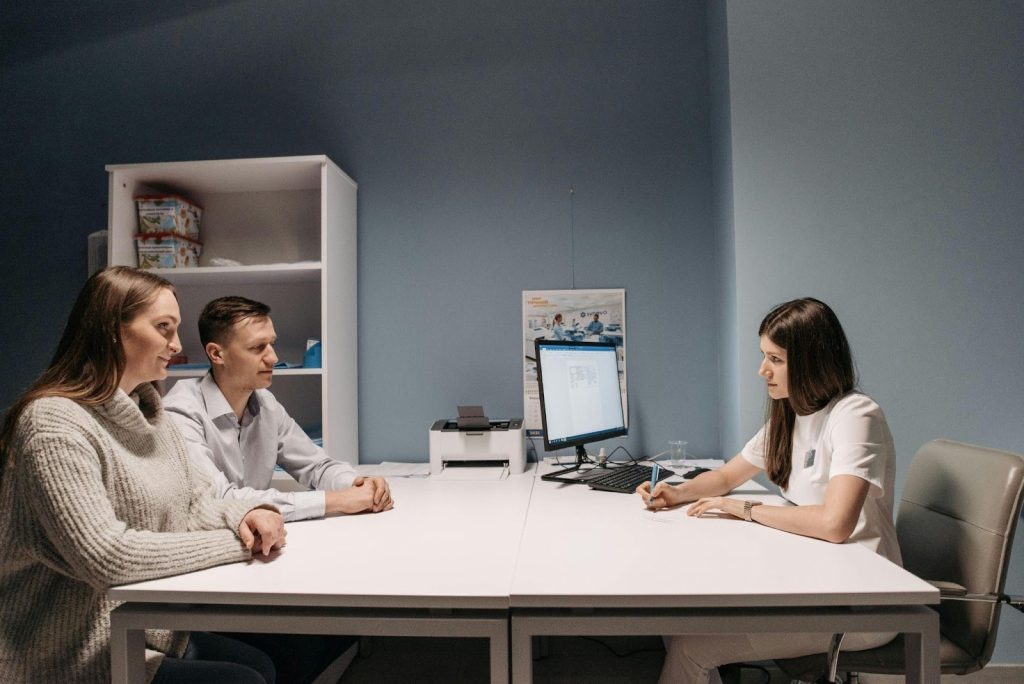
Final Thoughts: Embracing the Future of Healthcare Management
The adoption of medical records software is no longer a luxury—it’s a necessity for healthcare providers looking to stay competitive, improve patient care, and meet regulatory requirements. By choosing the right system, medical practices can streamline their operations, reduce errors, and ultimately provide a better experience for both patients and healthcare professionals.In today’s healthcare landscape, efficiency, accuracy, and communication are key. With the right medical records software, healthcare providers can take their practice to the next level, ensuring that they are well-equipped to handle the demands of modern healthcare.
