



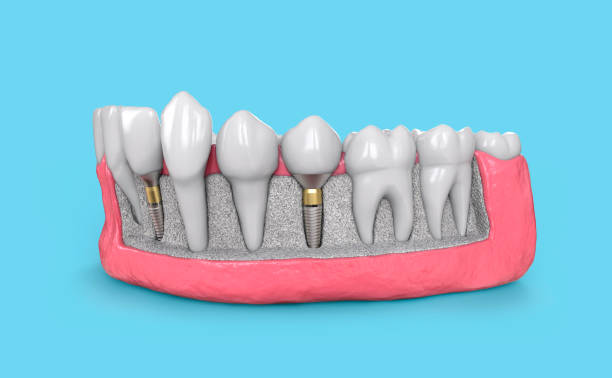
Missing teeth change how you eat, speak, and interact with people. You might avoid smiling. You might chew on one side. You might feel older than you are. Dental implants give you a way out of that strain. They replace missing teeth with a strong root and a natural looking crown that stays in place. Unlike dentures or bridges, implants do not move. Instead they fuse with your jaw and help stop bone loss. That means your bite stays stronger and your face keeps its shape. A Lower Manhattan dentist can use implants to restore a single tooth, several teeth, or a full mouth. You gain steady teeth you clean like your own. You also gain quiet confidence in daily life. This blog explains why implants last, what to expect from treatment, and how they protect your health.
What A Dental Implant Really Is
A dental implant stands in for the root of your missing tooth. It has three main parts.
- Implant post that sits in the jaw
- Connector piece that joins post and crown
- Crown that looks and works like a tooth
The post is usually titanium. The bone in your jaw grows around it. This bond is called osseointegration. It creates a solid base for chewing and talking.
How Implants Help Your Whole Mouth
Missing teeth affect far more than your smile. Gaps change how your tongue moves. They also change how your jaw lines up. These changes can cause pain, wear on other teeth, and trouble with some words.
Implants help you by
- Keeping nearby teeth from shifting into gaps
- Sharing bite force across your jaw
- Helping you chew firm food like meat and raw vegetables
- Supporting clear speech
Federal health experts stress the link between tooth loss and nutrition.
Why Implants Are Long Lasting
Implants last a long time because they join with bone. They do not rest on the gums. They do not rely on nearby teeth for support.
Three key reasons explain their staying power.
- They become part of the jaw through bone growth
- They use strong, body-safe materials
- They spread chewing forces down into bone, not sideways onto other teeth
With good care, the implant post can last decades. Often it lasts for life. The crown may need replacement after many years of normal wear. That change is like replacing a worn filling.
Implants Compared To Dentures And Bridges
You may wonder how implants stack up against dentures or bridges. The table below offers a clear view.
| Option | How It Stays In Place | Effect On Nearby Teeth | Effect On Jaw Bone | Typical Use Time |
|---|---|---|---|---|
| Dental implant | Fused to jaw bone | Does not touch nearby teeth | Helps slow bone loss | Decades with care |
| Fixed bridge | Cemented to trimmed nearby teeth | Requires cutting down healthy teeth | Bone under gap still shrinks | About 10 to 15 years |
| Removable denture | Rests on gums with clips or suction | Can rub nearby teeth | Does not stop bone loss | Needs refit or remake more often |
This comparison shows why many people choose implants when they want a long-lasting answer to missing teeth.
Step By Step: What To Expect From Treatment
The process is careful and steady. Each step protects your health.
- First visit. You share your health history and goals. The dentist checks your mouth and reviews images of your jaw.
- Treatment plan. You see how many implants you need and what type of crown or bridge will sit on them.
- Placement. The dentist places the implant post in the jaw. You go home the same day.
- Healing. Bone grows around the post. This stage can take several months.
- Final tooth. The dentist places the crown or implant bridge. You test your bite and smile.
Who May Be A Good Candidate
Many adults can receive implants. You may be a good match if you
- Have one or more missing teeth
- Have a jaw with enough bone or can receive bone grafting
- Do not smoke or are willing to stop
- Can keep up with brushing, flossing, and dental visits
Certain health conditions or medicines may affect healing. You should share a full health list with your dentist so you can weigh risks and benefits together.
How To Care For Dental Implants
Implants need the same care as natural teeth. Daily care keeps the gums around them healthy.
- Brush twice each day with fluoride toothpaste
- Clean between teeth and implants once each day
- Use a mouth rinse if your dentist suggests it
- See your dentist at least twice each year
You should also protect implants from damage. You can do this by wearing a mouth guard during sports and a night guard if you grind your teeth.
How Implants Support Emotional Health
Tooth loss often brings shame and quiet fear. You may cover your mouth when you laugh. You may avoid photos or meals with others. Over time, this can weigh on your mood and sleep.
Implants help you trust your teeth again. You can bite into food without worry. You can speak without a device slipping. You can smile without holding back. That freedom can ease stress and lift your daily life.
Taking Your Next Step
If missing teeth cause pain, strain, or shame, you deserve relief. Dental implants offer a firm, long-lasting choice. They protect your jaw, support nearby teeth, and restore steady chewing. They also help you reclaim calm and comfort when you face the world.
You can start by asking a dentist if implants fit your health and goals. You can bring questions about cost, timing, and other options. You can then choose the path that keeps you strong, steady, and able to smile without fear.
