



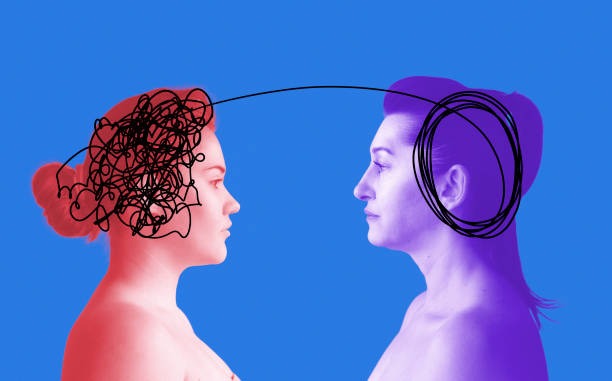
Relationships are rarely as simple as they seem on the surface. While some follow conventional paths, many exist in more nuanced and complex forms and are shaped by emotion, power dynamics, personal needs, and evolving life circumstances. Understanding these intricate connections requires openness, emotional intelligence, and a willingness to challenge assumptions, whether romantic, platonic, familial, or professional.
What Makes a Relationship Complex?
A complex relationship often involves overlapping roles, unspoken expectations, or emotionally charged histories. Here are some common contributing factors:
- Power imbalance – where one person consistently holds more control or influence
- Ambiguity – undefined or shifting roles, such as friends who sometimes behave like partners
- Conflicting values – personal beliefs or priorities that clash
- Emotional history – past experiences that resurface and affect current interactions
Unlike clearly defined connections, complex relationships tend to involve heightened emotional intensity and ambiguity, making them difficult to label or understand through traditional frameworks.
Power Dynamics and Their Role
Power dynamics are a central factor in many complex relationships. They can be subtle, such as a mentor-student bond, or more pronounced, depending on how decisions, boundaries, and responsibilities are managed.
These dynamics are not inherently negative. In fact, many healthy relationships include a negotiated or consensual power structure. Awareness is key. Understanding how influence is distributed helps ensure that no one feels taken for granted or overpowered.
Some individuals explore these themes more intentionally in their personal lives, drawing from a wide range of relational experiences. For instance, those with a strong sense of identity and structure may explore relationships through frameworks that embrace clear boundaries, personal empowerment, and mutual understanding, like the refined lifestyle of a dominatrix of London, where consent, respect, and self-awareness are fundamental.
Attachment Styles and Emotional Needs
Your early experiences often shape how you relate to others. Attachment theory suggests that people generally develop one of four attachment styles: secure, anxious, avoidant, or disorganised. These patterns influence how individuals give and receive love, manage conflict, and cope with emotional distance.
Understanding your own attachment style (and recognising it in others) can bring clarity to otherwise confusing dynamics. For example:
- A person with anxious attachment may seek reassurance more frequently
- Someone with avoidant attachment might value independence and struggle with vulnerability
Navigating these differences calls for clear communication and a shared willingness to grow.
The Role of Communication
No matter how complex a relationship may be, communication is the lifeline that holds it together. Without honest conversations, misunderstandings grow and tension builds. Effective communication includes:
- Active listening – not just hearing, but understanding
- Expressing needs – articulating thoughts without blame
- Setting boundaries – defining what is and isn’tacceptable
- Practising empathy – seeing the situation from the other person’s perspective
By fostering open dialogue, individuals can better understand each other’s motivations, reduce conflict, and create a more respectful dynamic.
When to Seek Clarity or Closure
Not all complex relationships are meant to last in their current form. Sometimes, the healthiest step is redefining the terms or letting go entirely. If a relationship consistently causes stress, confusion, or emotional pain, it may be time to pause and reflect on the following:
- Is the relationship still serving your growth?
- Are your needs and boundaries being respected?
- Is there a mutual effort to maintain balance and understanding?
Seeking outside guidance from a counsellor, therapist, or trusted advisor can also be incredibly helpful in navigating these decisions.
Conclusion
Complex relationships aren’t inherently negative; they often offer valuable lessons in self-awareness, emotional maturity, and resilience. By recognising power dynamics, attachment styles, and the role of clear communication, we can better understand and navigate the relationships that shape our lives.
Every connection is a chance to learn more about ourselvesand the people we choose to walk beside.
