



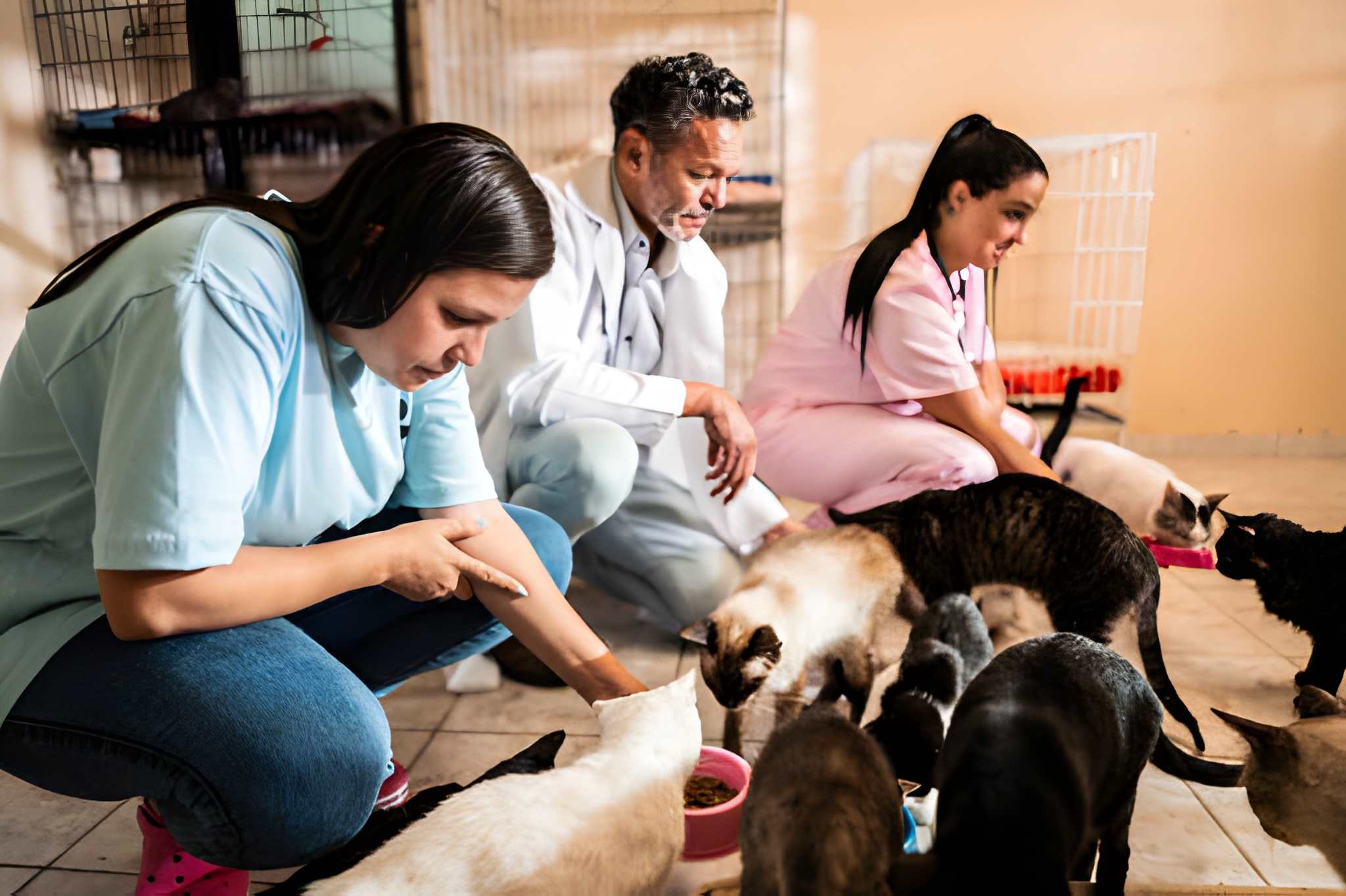
Animal hospitals play a crucial role in your community’s animal welfare. They provide essential care and support for pets, which helps keep them healthy. By offering emergency services, routine check-ups, and preventive care, these hospitals ensure pets receive the attention they need. The Kenosha animal hospital exemplifies this impact by serving as a trusted resource for pet owners. When animals receive timely medical attention, it reduces the risk of disease spread. This protection benefits both pets and humans. Furthermore, animal hospitals educate pet owners on proper care practices. This knowledge strengthens the bond between you and your pets. Additionally, these hospitals work with local shelters to support homeless animals. They often assist in spaying and neutering programs, which help control the pet population. This collaboration creates a safer and healthier community for everyone. Understanding the impact of animal hospitals can empower you to make informed decisions for your pets.
Key Services Offered
Animal hospitals offer various services that cater to your pet’s health. They manage everything from minor illnesses to major surgeries. Each service aims to provide the best care possible for your furry friends. Here are three primary services you can expect:
- Emergency Care
- Routine Check-Ups
- Preventive Treatments
Emergency care focuses on acute ailments and injuries. It can be life-saving and offers your pet a better chance of recovery. Routine check-ups help you catch potential health issues early. Preventive treatments, like vaccinations, protect against diseases.
Education and Awareness
Animal hospitals also focus on educating pet owners. They provide resources and information to help you care for your pets effectively. This education empowers you and reduces the likelihood of pets developing preventable conditions. The American Veterinary Medical Association offers excellent educational materials for pet owners.
When pet owners are well-informed, pets benefit. They receive consistent care, which helps them live longer, healthier lives. Familiarizing yourself with routine care practices is key to ensuring your pet’s well-being.
Supporting Homeless Animals
Animal hospitals often collaborate with local shelters to address the needs of homeless animals. They provide medical care that these animals would otherwise lack. Spaying and neutering programs help control the pet population and prevent overpopulation issues.
| Service | Benefit |
|---|---|
| Spaying and Neutering | Controls pet population |
| Vaccinations | Prevents disease spread |
| Medical Treatments | Improves animal health |
These efforts reduce the strain on local shelters and open up space for more animals in need. This collaboration ensures every pet receives the necessary care, improving overall community animal welfare.
Community Health Benefits
When animal hospitals function well, the whole community gains. Pets in good health enhance public health by lowering the risk of zoonotic diseases. This protective measure is crucial for both humans and animals. By keeping pets vaccinated, animal hospitals create a safer environment.
Conclusion
Animal hospitals are vital to the welfare of pets and communities. They provide essential services that keep pets healthy and well-cared for. Through education, collaboration with shelters, and preventive care, these hospitals make a significant impact. You can support this effort by staying informed and ensuring your pet receives regular veterinary care. Together, we create safer, healthier communities for all.
