



Table of Contents
- Understanding SEO for Drug Rehab Centers
- Conducting Effective Keyword Research
- Creating Quality Content
- Optimizing for Local SEO
- Building Quality Backlinks
- Monitoring and Adjusting SEO Strategies
Key Takeaways
- Understanding and implementing SEO is crucial for drug rehabilitation centers to enhance their online visibility.
- Effective keyword research and content creation can attract the right audience.
- Local SEO practices help centers connect with their immediate communities.
- Building quality backlinks enhances a site’s authority and search engine ranking.
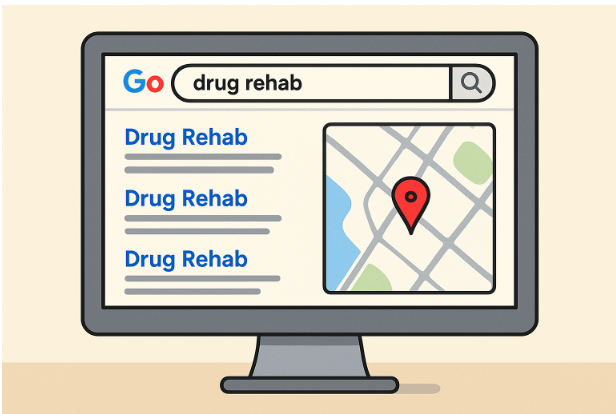
With more people turning to search engines when seeking addiction recovery options, drug rehab SEO has emerged as a cornerstone tactic for treatment centers looking to connect with individuals in need. Improving online presence ensures that essential services are accessible to those taking the crucial first step toward recovery, making it critical for drug rehab facilities to prioritize search engine optimization as part of a comprehensive outreach strategy.
By fine-tuning digital marketing efforts and leveraging proven SEO techniques, drug rehab centers can outperform their competitors in search rankings, attract more qualified leads, and provide genuinely helpful information to prospective clients. Effective strategy implementation not only builds trust but also fosters engagement within the community and industry. The following guide explores actionable approaches aligned with Google’s helpful content guidelines to enhance online visibility and connect with clients at their moment of need.
Understanding SEO for Drug Rehab Centers
Optimizing a website for search engines goes beyond simply increasing visibility—it establishes credibility and positions rehab centers as trustworthy advocates in the recovery journey. The structure of the website, clarity of navigation, and accessibility of information, such as treatment options, all play a significant role in user retention and positive search engine signals. Seamless integration of essential keywords that reflect what individuals in crisis actually search for is crucial for capturing organic traffic from Google and other search engines.
Optimizing page speed, mobile usability, and secure connections (HTTPS) are further technical foundations that impact rankings and boost user trust. When patients or families encounter a rehab center that is visible, navigable, and resource-rich, their confidence in taking the next step is strengthened. According to Search Engine Land’s guide on SEO, these foundational aspects can significantly influence overall web performance and search results presence. By continually monitoring analytics and adapting strategies based on user behavior, rehab centers can maintain strong search visibility over time. This proactive approach ensures that their digital presence remains competitive and aligned with the evolving needs of their audience.
Conducting Effective Keyword Research
Pinpointing the most valuable and relevant keywords is key to ensuring treatment centers are surfaced in the moments that matter. Begin with terms rooted in user intent—what phrases are prospective patients or their loved ones likely to type in during their search for help? Beyond broad terms like “rehab centers” or “addiction treatment,” focus on geographic modifiers such as city or region, service-specific keywords like “inpatient alcohol rehab,” and common informational queries, including “how to help someone with substance abuse.”
Tools make it easier to discover not only high-volume search terms but also secondary queries—often phrased as questions—that indicate a user is research-driven and closer to taking action. Monitoring shifts in popular keywords over time helps refine content to ensure it remains aligned with evolving needs and expectations. This dynamic research process ensures that generated website traffic remains high-intent and relevant.
Creating Quality Content
Content remains a primary driver of SEO success. Drug rehab centers must cut through the noise with genuinely helpful, well-researched articles and resources that offer valuable insights. Blog posts and guides that demystify the rehab admissions process, explain treatment methods, present recovery stories, and help answer sensitive questions prospective patients and their families feel understood.
Multimedia elements, such as explainer videos, infographics on addiction statistics, or downloadable resource checklists, boost engagement and shareability. Incorporating structured data or FAQ markup can additionally help content qualify for enhanced search results such as featured snippets. According to Search Engine Journal’s guide to SEO, ensuring clarity, accessibility, and compassion in every piece of content increases trust with both users and search engines.
Optimizing for Local SEO
Rehab centers predominantly serve local clients, making local SEO a powerful lever for discovery. Claiming and optimizing a Google Business Profile ensures vital information—including the center’s address, contact details, operating hours, and photos—is accurately displayed in maps and local pack listings. Consistency across online directories (NAP—Name, Address, Phone) is equally critical to avoid confusing both users and search algorithms.
Encouraging clients to leave authentic reviews and responding to feedback demonstrates responsiveness and a commitment to the community, which builds positive sentiment around the organization. Creating locally relevant content—such as blog posts about community events, partnerships with regional health providers, or updates on local addiction statistics—strengthens connections and further signals local authority in the area.
Building Quality Backlinks
Acquiring backlinks from reputable sources remains one of the strongest indicators of authority for Google’s algorithm. Engaging in outreach to collaborate with healthcare networks, nonprofit organizations, and educational blogs can naturally generate high-quality links back to your site. Participating in digital PR efforts or offering expert commentary on addiction treatment topics for major publications can also yield valuable citations.
Guest posting on respected health or wellness blogs and engaging with local news outlets for awareness campaigns are long-term strategies that consistently deliver relevance and credibility. Backlinks from government or educational websites (.gov, .edu) are particularly impactful, as they signal a higher level of trust to search engines.
Monitoring and Adjusting SEO Strategies
SEO is not a one-time effort but a continual process. Regularly tracking analytics and performance metrics with platforms like Google Analytics and Google Search Console enables data-driven adjustments. Observe how users interact with the website, identify which pages have high engagement, and pinpoint where drop-offs occur to uncover opportunities for site improvements or additional content creation.
Adapting to changes in search engine algorithms, updating old resources, and experimenting with new keywords or content formats ensures sustained growth in visibility and effectiveness. Quarterly audits of technical SEO, backlinks, and content relevancy are highly recommended to maintain competitive presence and compliance with Google’s evolving standards.
