



Restaurant openings are basically high-stakes project management, especially if you’re relying on a restaurant contractor to coordinate permits, trades and inspections while your lease clock keeps ticking. Your equipment lead times are real and one missed inspection can push your soft-opening by weeks.
This guide breaks down what actually keeps a restaurant build-out moving, especially when you need durability, safety standards and compliance from day one.
Why Do Restaurant Renovations Run Late?
Most delays don’t come from paint colors. They come from permits, “hidden” infrastructure and coordination gaps between trades.
The Ontario Building Code sets review timelines for a complete application review as 20 business days for a large building.
Here are the usual culprits:
- Incomplete permit submissions that trigger multiple deficiency cycles
- HVAC system and hood changes discovered after demolition
- Long-lead equipment (refrigeration, custom millwork, specialty lighting)
- Inspection sequencing issues (work completed before the right sign-offs)
If you want a predictable schedule, design your plan around the critical path, then protect it.
What Should You Finalize Before You Swing a Hammer?
You need a planning package that aligns your renovation goals with code requirements and real-world logistics.
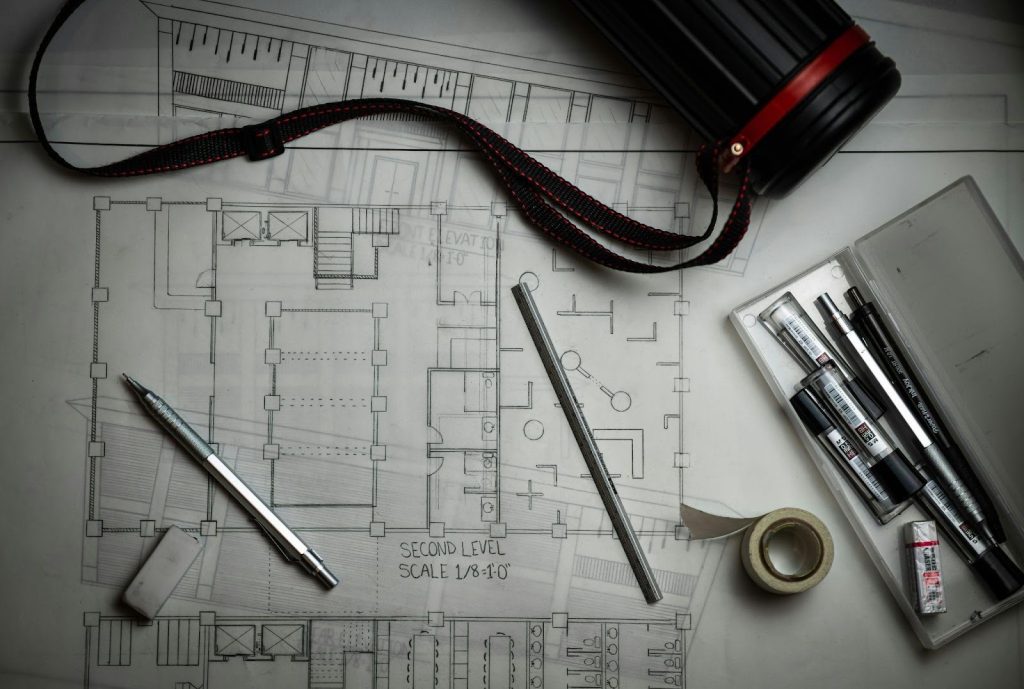
1) A permit-ready drawing set
Incomplete documentation affects intake and review and that many applications don’t meet timelines, meaning completeness is a competitive advantage.
Before demolition, lock:
- Updated floor plan (seating, egress, washrooms)
- Reflected ceiling plan (sprinkler heads, lighting, diffusers)
- Mechanical drawings (exhaust, make-up air, heating/cooling)
- Electrical loads (kitchen equipment is a power-hungry world)
- Plumbing (floor sinks, grease management, hand sinks)
2) A procurement list with lead times
Create a “buy list” that includes:
- Cooking equipment + spec sheets
- Hood + fire suppression package
- Millwork shop drawings
- Flooring and wall finishes (rated where required)
3) A week-by-week schedule with inspection gates
Your schedule should show dependencies like:
- Rough-ins to insulation to drywall to ceilings to finishes
- Fire protection sign-offs before ceiling closure
- Health-driven requirements before final occupancy
How Do You Keep Your Commercial Kitchen Code‑Compliant?
Kitchens are where compliance, safety and insurance requirements collide.
Kitchen ventilation + make-up air (don’t treat it as “just HVAC”)
The U.S. Government’s UFC HVAC guidance requires commercial kitchen ventilation to comply with NFPA 96 and the International Mechanical Code (IMC) and it includes operational expectations like preventing kitchen work areas from exceeding 85°F (29°C).
Even if your local Authority Having Jurisdiction (AHJ) uses provincial standards, the principle holds: ventilation is a life-safety system. Your contractor should coordinate mechanical design, hood selection, roof penetrations and fire protection as one package.
Fire protection that matches your cooking profile
NFPA 96 is an active standard that provides fire-safety requirements for commercial cooking operations.
Your build-out plan should cover:
- Hood and duct routing with access for inspection/cleaning
- Fire suppression system compatibility with equipment layout
- Clearances to combustibles and rated assemblies
Sanitation and handwashing that’s easy to follow
You can design for better food safety by making proper handwashing unavoidable.
Food workers wash their hands when they should about one in three times and that visibility and access to hand sinks improves compliance.
Place hand sinks where the workflow actually happens, prep, dish and service transitions, not where they’re easiest to plumb.
How Do You Protect the Schedule Without Sacrificing Quality?
This is where a restaurant contractor earns their keep: sequencing, documentation and clean handoffs.
Run weekly coordination like clockwork
Hold a short, consistent meeting cadence:
- What’s complete since last week?
- What’s blocked?
- What inspections are booked?
- What materials must arrive next?
Use a “finish standard” list (durability first)
Restaurants take abuse. Choose products that align with longevity:
- Stain-resistant and easy-clean surfaces in BOH (back-of-house)
- Fire-resistant assemblies where required
- Flooring that handles grease + traffic without becoming a maintenance problem
Plan around skilled-labour constraints
Almost four out of five construction companies globally experience a shortage in skilled workers.
That shortage shows up as rescheduled trades and stretched crews. Your schedule needs realistic buffers, especially for specialty scopes like mechanical balancing, suppression commissioning and millwork installs.
What Should You Look for When Hiring a Restaurant Contractor?
Price matters. Predictability matters more.
A strong partner should be able to show you:
- Clear scopes and transparent quotes (no mystery allowances)
- A permit and inspection plan with named responsibilities
- Trade coordination experience across mechanical systems, plumbing and custom carpentry
- A quality plan that protects brand-critical areas: kitchen line, bar, washrooms, entry
If you’re looking for a proven restaurant contractor for a build-out, prioritize teams that can run a turnkey process and keep compliance, timelines and finish quality aligned.
FAQ: Restaurant Build‑Outs, Timelines and Compliance
How early should I start the permit process?
As early as possible, permits are often the first true schedule driver. Build your plan around review cycles and potential resubmissions.
What’s the most common surprise in restaurant renovations?
Mechanical and ventilation constraints. Existing ducts, roof structure and service capacity often force redesigns if they aren’t checked early.
Do I need NFPA 96 compliance if I’m in Canada?
Your AHJ will enforce local codes, but many jurisdictions align with similar principles for grease-laden vapor control and fire protection. Confirm requirements with your design team and inspector.
How do I avoid failing final inspections?
Treat inspections as milestones, not a last step. Document sign-offs, photograph concealed work and keep equipment spec sheets on-site.
What finishes hold up best in a high-traffic restaurant?
Durable, cleanable surfaces that tolerate moisture, grease and impact. Your contractor should recommend products based on BOH vs FOH use.
What’s a realistic way to control costs during a build-out?
Freeze the scope early, approve alternates before procurement and track change orders weekly so the budget doesn’t drift.
