



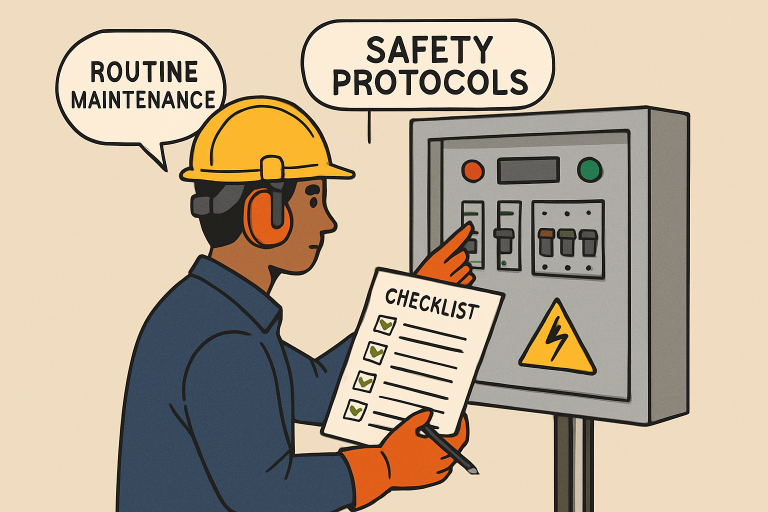
Why Maintenance Matters
Electrical equipment is vital in ensuring the reliability and safety of modern facilities, from homes to large industrial sites. Even small faults can escalate into major failures that disrupt operations, increase costs, and create safety risks without proper upkeep. Preventive measures such as routine inspections, timely repairs, and equipment testing help identify issues early and extend the lifespan of critical systems. Regular attention also helps maintain compliance with safety standards, reducing the likelihood of accidents or downtime.
Proven strategies for safe and efficient electrical equipment maintenance often combine scheduled servicing with advanced techniques like predictive monitoring and professional refurbishing. Organizations can balance performance with safety and efficiency by following established best practices. For more insights into effective approaches, resources such as https://divergentalliance.com/electrical-equipment-testing-refurbishing/ highlight practical methods to strengthen reliability and prevent unexpected failures.
Common Maintenance Challenges
Despite the benefits, maintaining electrical equipment presents clear challenges. Tight budgets and limited workforce availability often force teams to prioritize urgent repairs over scheduled inspections. As a result, small faults such as worn insulation or loose connections can go unnoticed, escalating into serious threats. Additionally, aging infrastructure in older buildings sometimes restricts access to electrical panels, making regular inspections more difficult.
Training gaps further complicate matters; new technicians may lack familiarity with legacy systems, and evolving safety standards demand continuous education. Misalignment between management priorities and frontline realities can also hinder the implementation of proper preventive maintenance plans, increasing the risk of downtime and compounding safety concerns.
Methods for Ensuring Electrical Safety
Electrical safety is a critical component of all maintenance activities, requiring strict lockout/tagout procedures to ensure equipment is de-energized before any work. Technicians must utilize appropriate personal protective equipment (PPE) and maintain updated labeling protocols to mitigate risks of dangerous incidents. Best practices for maintenance teams are outlined in OSHA and NFPA guidelines, covering procedures for live work, arc flash risk management, and the importance of clear signage on panels and wiring. Cultivating a safety-first mentality throughout an organization not only safeguards individuals but also boosts operational efficiency by reducing unscheduled downtime and costly incidents, fostering safer, more productive work environments with a significant decrease in recordable injuries.
Testing Equipment: Tools and Techniques
Reliable electrical maintenance relies on precise testing and inspection. Visual checks are first, spotting wear, corrosion, or overheating. Devices like multimeters, insulation testers, and infrared cameras detect hidden issues before hazards emerge. Dielectric and ground resistance tests reveal faults in wires, transformers, and switchgear. Regular calibration ensures accurate readings. Routine data analysis identifies patterns, supports predictive maintenance, and helps teams prevent issues.
Refurbishing: Cost-Effective Solutions
Refurbishing aging electrical equipment is often a cost-effective decision driven by budget considerations, offering a way to preserve valuable assets and avoid the high costs and waste associated with complete replacement. A properly executed refurbishment can extend the equipment’s service life, maintain compatibility with existing legacy systems, and support environmental goals by reducing landfill waste. Upgrading critical components such as breakers, relays, and contactors can restore full functionality and defer significant capital investments. Organizations prioritizing sustainability and prudent financial management benefit from integrating refurbishment into their maintenance programs, keeping equipment operational longer while upholding high safety standards.
Training Teams and Creating a Safety Culture
Skilled personnel remain the cornerstone of any successful maintenance strategy. Ongoing technical training ensures everyone—from seasoned electricians to new hires—understands the latest safety requirements and effective troubleshooting techniques. Mentoring programs pair experienced technicians with junior staff, helping pass down complex knowledge about both modern and legacy electrical systems.
Building a robust safety culture goes beyond compliance; it fosters a shared mindset of accountability, vigilance, and respect for procedure. Organizations that invest in workforce training and create open channels for safety communication report lower incident rates and greater employee engagement in maintenance programs.
Emerging Trends and Technology in Electrical Maintenance
Digital transformation is revolutionizing electrical equipment maintenance. Predictive maintenance, powered by the Industrial Internet of Things (IIoT), uses real-time sensor data and artificial intelligence to anticipate failures before they occur. Cloud-based dashboards and wireless monitoring allow teams to receive maintenance alerts, track equipment health, and access historical records remotely.
These advancements dramatically reduce unplanned outages and streamline scheduling. Organizations adopting these technologies gain a significant edge in operational efficiency, safety, and sustainability as electrical infrastructure ages.
Concluding Thoughts
Proactive electrical equipment maintenance is essential for safe operations and maximum lifespan. Organizations can minimize hazards, optimize investments, and ensure reliable performance by embracing rigorous inspection protocols, investing in workforce training, and staying current with technological advancements. Forward-thinking leaders will continue prioritizing comprehensive electrical maintenance, knowing it safeguards people and productivity in an increasingly electrified world.
