



Growing plants inside homes is a lovely hobby. It increases the beauty of indoor spaces and cleans the air, making it fresh to breathe. These plants are also a source of mental peace and keep the environment healthy for the family.
The Prayer plant is famous for its unique leaves and beautiful movement patterns. It is a member of the Marantaceae family and native to the tropical rainforests of Brazil. The plant thrives in humid, warm conditions. In the evening, it folds its leaves upward, resembling hands clasped in prayer.
Growcycle offers many tips and tools for caring the Prayer plant. These plants are simple to care for but require proper attention to grow well. Many homeowners choose prayer plants to boost the beauty of their indoor spaces.
Physical Characteristics
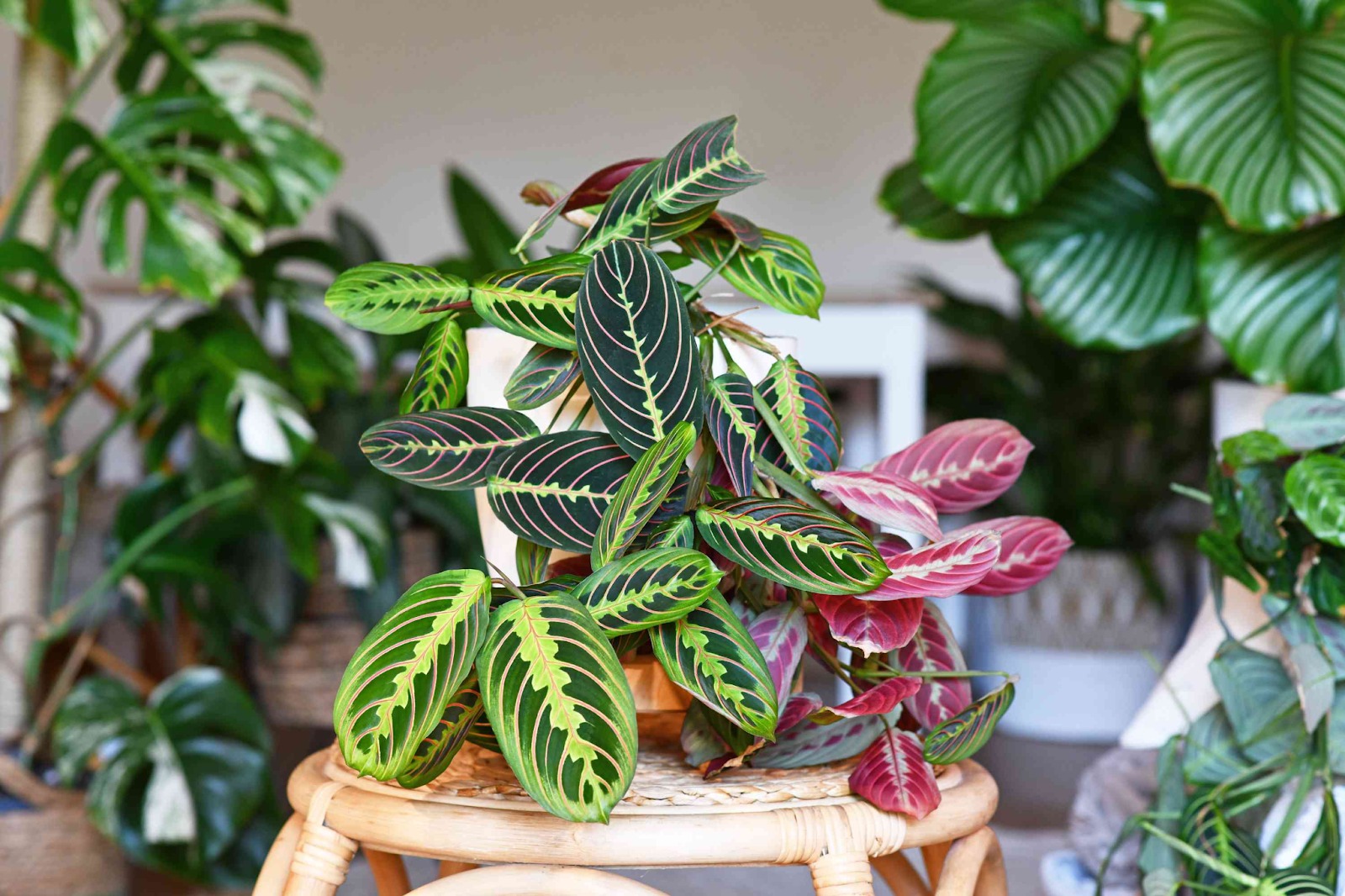
The Prayer plant is most recognized for its wonderful leaves. These are soft to the touch, oval-shaped, and frequently have complex designs that appear to have been painted by an artist.
The patterns differ for each cultivar but commonly feature a blend of deep green, light green, red, and yellow colors. For example, the ‘Red Vein’ variety has vivid red veins along the leaf’s surface, while the ‘Lemon Lime’ cultivar shows shades of lime green with yellow accents.
One of the plant’s attractive qualities is the alignment and accuracy of its patterns. The leaf veins, often contrasting in color, produce a pleasing effect, turning the prayer plant into a living work of art. Its decorative qualities make it popular among indoor gardening lovers.
Behavior and Movement
The Prayer plant is special among houseplants because it moves. During the day, its leaves spread out to soak up as much light as possible. At night, the leaves fold upward, resembling hands in prayer. This movement happens because of a joint-like structure called the pulvinus, found at the base of each leaf.
The pulvinus reacts to light and water pressure changes, causing the leaves to shift. This movement, known as the nyctinastic movement, is fascinating to see and helps the plant survive.
Folding its leaves at night reduces water loss and protects them from damage caused by dew or cold temperatures. This adaptation helps the plant thrive in dense, humid forests in its natural environment.
Cultural and Symbolic Significance
The Prayer plant’s habit of folding leaves in the evening has made it a symbol of thanks and relaxation across cultures. Its “praying” posture is often taken as a reminder to pause and reflect, making it a perfect addition to areas such as meditation rooms or places of worship.

Care Requirements
Prayer plants are very simple to care for when they are correctly handled. Here are the conditions they need to grow and thrive.
1. Light
Prayer plants love bright, indirect light. Direct sunlight can damage their sensitive leaves, causing the vibrant patterns to disappear. Prayer plants grow naturally under the shade of larger trees, so copying this indirect light indoors is ideal. A north or east-facing window is perfect, but filtered light from a curtain can also work.
2. Watering
These plants thrive in consistently wet soil but are sensitive to overwatering. Watering should be done when the top inch of soil feels dry to the touch. Distilled or rainwater is recommended, as prayer plants are sensitive to the chemicals and salts often found in tap water. Ensuring proper drainage in the pot prevents waterlogging.
3. Humidity
Prayer plants, native to tropical regions, thrive in humid environments. In dry indoor environments, watering the leaves regularly, keeping a humidifier next to it, or grouping the plant with other humidity-loving plants can all help maintain the necessary moisture levels. Placing the pot on a tray with water and stones is another effective way to increase humidity.
4. Temperature
Prayer plants prefer warm temperatures between 65°F to 80°F. They are sensitive to cold winds, so keep them away from windows and doors during the winter. Sudden temperature changes may harm the plant, leading to leaf curling or browning edges.
5. Soil and Fertilizer
A well-drained, slightly acidic potting mix is ideal for prayer plants. Peat moss, perlite, and standard potting soil mix work well. During the growing season, from spring to early fall, they benefit from a diluted, balanced liquid fertilizer applied every 2-4 weeks. Fertilizing should be reduced or halted during winter when the plant’s growth slows.

Propagation techniques
Propagating a prayer plant is simple and can be done through stem cuttings or division.
1. Stem Cuttings
Choose a healthy stem with a few leaves and cut just below the node. Place the cutting in water, making sure the node is entirely underwater. After a few weeks, roots will emerge, and the cutting can be planted in the soil.
2. Division
During repotting, carefully divide the root system into two or more sections, ensuring each section has a healthy portion of roots and leaves. Plant each division in its pot with fresh soil.
Benefits of Growing a Prayer Plant
Prayer plants are beautiful additions to a home, and they also offer several benefits:
Air Purification
One primary benefit of Prayer plants is their ability to improve indoor air quality. Through photosynthesis, they absorb carbon dioxide and release oxygen. Additionally, prayer plants help filter harmful toxins such as formaldehyde, benzene, and xylene from the air.
Aesthetic Appeal
Its colorful, fully patterned leaves are a natural creation. Their bold, symmetrical designs and striking color combinations add a lovely charm to any space.
Stress Reduction
The Prayer plant reduces stress and improves mental health. Its unique movements make it particularly enjoyable to watch.
Easy Maintenance
These plants can survive with minimal care and attention, but proper attention makes them an incredible sight. Their maintenance is simple and easy.

FAQs
Why is it called a Prayer plant?
The Prayer plant gets its name by folding its leaves upward at night, resembling hands clasped in prayer. This phenomenon is called nyctinasty, and it occurs in response to changes in light and water pressure within the plant.
Does a Prayer plant flower?
Yes, Prayer plants can produce small, delicate flowers, although flowering is rare when grown indoors. The flowers are usually white or light purple, less visible than the plant’s vibrant leaves. Flowering often occurs in optimal growing conditions.
Is the Prayer plant toxic to pets?
No, the Prayer plant is non-toxic to cats and dogs, making it a safe choice for households with pets. However, eating it can cause mild stomach upset in some animals, so it is best to keep plants out of reach.
The Bottom Line
The prayer plant is an excellent houseplant that combines beauty, adaptability, and a sense of the wonderful. Its attractive movements and stunning leaves make it popular among plant lovers and new gardeners. Its beauty can be enjoyed by understanding and taking care of its requirements.
Visit Growcycle to purchase this beautiful plant. It will increase the beauty of indoor spaces, freshen the mood, and improve the family’s health.
