



Key Takeaways
- Start by identifying your own oral health goals to find a dentist who fits your needs and lifestyle.
- Research the dentist’s experience and credentials to verify their qualifications.
- Think about convenience, with regard to location and scheduling flexibility.
- Evaluate the services and technology available to ensure modern, comprehensive care.
- Consider the dentist’s communication skills and review testimonials from other patients.
Optimal oral health starts with finding the right dental professional to guide you through each stage of life. Whether you’re seeking preventive care for your family, cosmetic improvements, or specialized treatment as you age, it is essential to make an informed decision. Understanding how to evaluate and select a dentist ensures your unique needs will be met every step of the way. To get started, you can explore dentists in your area using trusted resources and begin building a plan for lifelong dental well-being.
Choosing a dentist requires more than a quick online search. You need to balance practical details such as location and office hours with the dentist’s range of expertise, communication style, and the quality of care provided. Each decision should consider your current dental needs and anticipate future requirements, ensuring you remain confident about your oral health plan as it evolves over time.
Define Your Oral Health Goals
Your dental journey is personal, and your selection process should begin with a self-assessment. Are you hoping to maintain healthy teeth through preventive care, improve your appearance with cosmetic dentistry, or address specific health issues with restorative work? Some dental offices may specialize in one area, while others offer comprehensive services. If you anticipate future cosmetic procedures, it’s important to find a provider comfortable with those treatments.
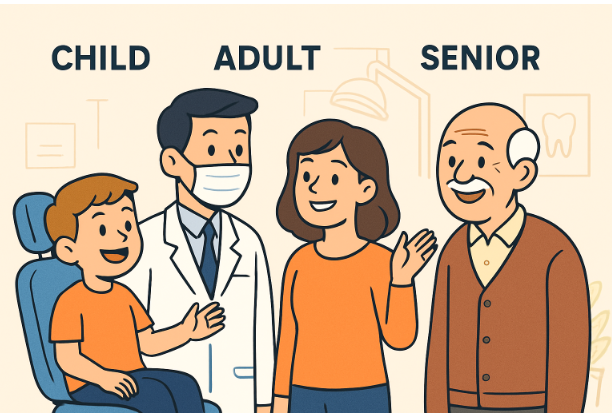
For families with young children or aging members, it can help to seek out practices with pediatric or geriatric specialists. This way, you have a partner who understands the evolving needs of different life stages, from orthodontics to periodontal care and denture services.
Verify Credentials and Experience
Quality and safety can never be overlooked. Always confirm the dentist’s educational background, active licensure in your state, and any continuing education or certifications. In the United States, you can rely on dental boards and agencies to verify that your selected provider holds the required degrees and is recognized by reputable dental organizations.
Additionally, seek out years of experience or specialized training that align with your current or future oral health goals. Practices that continually update their training will be well-positioned to offer the best possible care. If you have unique health needs, such as TMJ disorders or dental implants, ask specifically about the dentist’s training in those areas.
Consider Location and Office Hours
The best dentist is the one you’ll see regularly. Choose a practice close to your home, your children’s school, or your workplace. Flexible scheduling, including early mornings, evenings, or even weekends, makes it much easier to fit dental visits into busy routines, helping you stick to recommended checkup schedules.
For those who may need urgent care or have mobility issues, proximity and easy access are even more important. Confirm that the office can accommodate any specific needs, such as wheelchair accessibility or language assistance, to minimize stress and ensure long-term continuity of care.
Evaluate Services and Technology
Modern dentistry goes far beyond basic cleanings and fillings. Leading dental practices utilize new technology to elevate patient care and comfort. Look for digital X-rays, intraoral cameras, and same-day crown systems, as these advancements improve diagnostics and save valuable time.
If you have children, ask about sealants, fluoride treatments, and orthodontic options. Adults may prioritize cosmetic treatments like whitening or veneers, while seniors may seek restorative options such as dental implants or bridges. Practices that offer a wide range of treatments are often better equipped to support your family’s needs.
Assess Communication and Comfort
The right dentist listens to your concerns, answers your questions, and clearly explains treatment options. Scheduling a consultation before making your decision allows you to experience the dentist’s approach firsthand. Do you feel respected and understood? Are financial matters discussed openly? An understanding provider who creates a welcoming environment makes all the difference, especially for those who have dental anxiety. WebMD’s tips for choosing a dentist recommend prioritizing personal comfort and trust.
Review Patient Feedback
Insight from those who have visited the practice is invaluable. Check online reviews and testimonials on trusted platforms to gauge patterns in patient satisfaction, staff efficiency, and wait times. Is there praise for professionalism and gentle care? Conversely, repeated negative remarks about scheduling, billing, or comfort should encourage further research before making your decision.
Understand Financial Policies
Clear financial policies are just as important as skilled dental care. Ask about accepted insurance plans, payment options, and costs for common procedures. Some practices offer in-house dental savings plans or financing to make care accessible. Ensuring you have a clear understanding of payment expectations and billing processes will help you avoid surprises and budget accordingly.
Plan for Future Needs
Your oral health needs will inevitably change over time. A practice that can transition seamlessly from pediatric care to complex adult treatments offers peace of mind and continuity. Whether you develop a need for orthodontics, periodontal treatment, or advanced restorative work, having a relationship with a practice that evolves with you is a significant benefit. Establishing this long-term partnership keeps you and your family on track for healthy, confident smiles at every stage.
These steps provide a roadmap to ensure your decision is thoughtful, informed, and tailored to your current and future dental needs. With a little research and reflection, you can secure a dental home that fosters trust, confidence, and wellbeing for years to come.
Conclusion
Choosing the right dentist starts with understanding your personal and family oral health goals, from preventive care to cosmetic or restorative treatments. By evaluating credentials, services, technology, and patient feedback, you can identify a provider who meets both current needs and future dental requirements.
Considering factors like location, office hours, communication, and financial policies ensures convenient, comfortable, and transparent care. Establishing a relationship with a trusted dental practice provides continuity, supports long-term oral health, and gives peace of mind knowing your dental needs will be met at every stage of life.
