



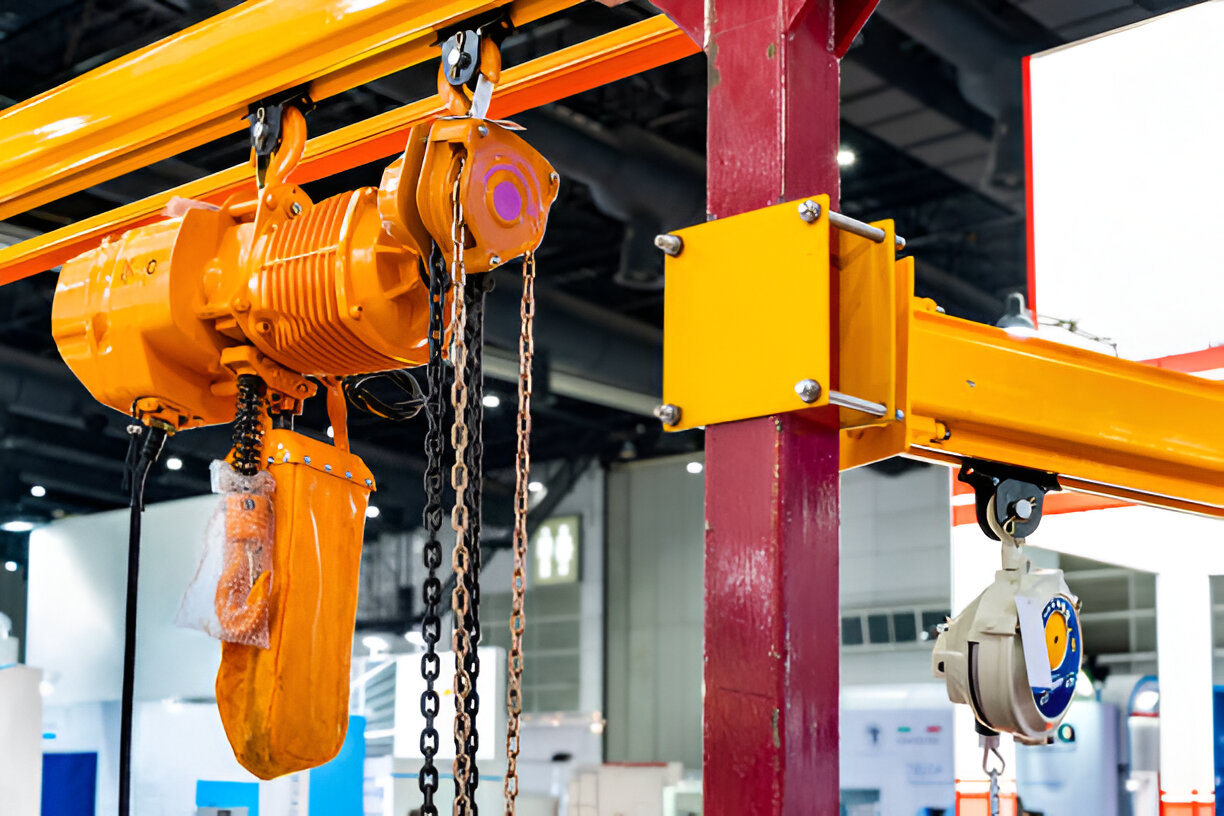
When you need heavy-duty lifting equipment, making the right choice is key. The right machinery not only boosts efficiency but also ensures safety in the workplace. With so many options available, it can be tricky to find the perfect fit.
In this guide, we’ll walk you through the most important factors to consider when choosing lifting equipment. Keep reading to make an informed decision that suits your needs.
Understanding Load Capacity
The first thing to consider when selecting lifting equipment is its load capacity. It’s vital to choose equipment that can handle the weight of your regular tasks. If you overestimate what you need, you might end up paying for more power than necessary. On the other hand, underestimating the weight could lead to dangerous situations.
To make the right choice, start by assessing the typical loads you’ll be handling. List the weights of the items you often lift or move. Don’t forget to consider future projects that may require more capacity. Finally, check the equipment’s ratings. You should see a clear label showing the maximum weight each piece of equipment can safely lift.
Safety Standards and Compliance
Safety is the top priority when it comes to lifting equipment. Any machinery you choose should meet relevant safety standards. Look for certifications from reputable organizations like OSHA (Occupational Safety and Health Administration) or ANSI (American National Standards Institute).
These certifications ensure that the equipment meets safety requirements and can be trusted in the workplace. By choosing certified equipment, you reduce the risk of accidents and avoid potential legal and financial issues.
Technical Features to Consider
The technical features of lifting equipment greatly affect its effectiveness for your work. First, consider the power source. You may need electric, hydraulic, or manual equipment based on your setup.
Mobility is also important. Make sure the equipment is easy to move around your workspace, whether indoors or outdoors. Durability matters too. Heavy-duty equipment should endure regular use without frequent breakdowns. Check the materials and construction to ensure it can handle the job long-term.
Cost vs. Value
It can be tempting to choose the cheapest option. However, low-cost equipment may not be the best choice. Focus on finding equipment that offers great value. A slightly higher upfront cost can lead to better reliability, efficiency, and safety over time.
Also, think about ongoing costs like maintenance, energy use, and parts replacement. In the long run, investing in quality equipment usually saves money and boosts productivity.
Make the Best Choice for Your Operations
Choosing the right heavy-duty lifting equipment is crucial for your safety, productivity, and long-term success. By considering load capacity, safety standards, equipment types, and technical features, you’ll be well on your way to selecting the perfect lifting tools. If you’re looking for an advanced solution, a powerful lifting system linked here can offer additional capabilities to meet your needs.
Lift Your Operations to New Heights
Choosing the best heavy-duty lifting equipment is not something to rush. It requires careful thought about your specific needs, safety, durability, and long-term cost-effectiveness. By considering all of these factors, you can ensure that you invest in equipment that will make lifting heavy loads safer and more efficient.
Always prioritize quality, reliability, and safety to get the most out of your equipment. Expand your knowledge and check out more posts on our blog!
