



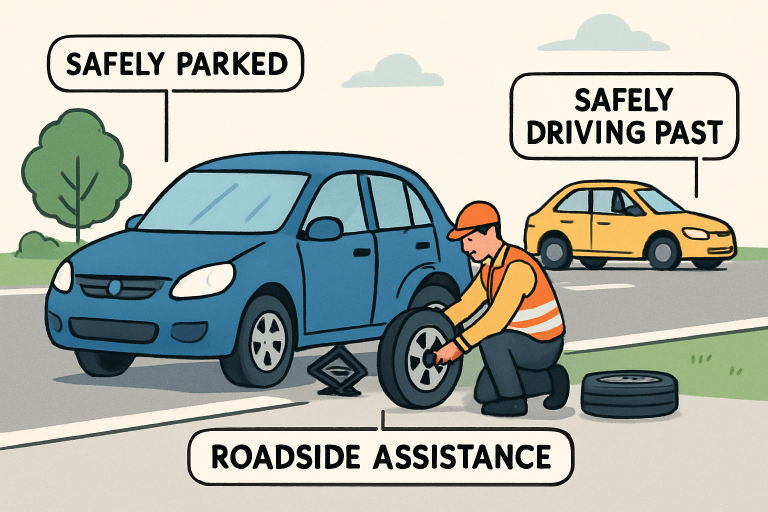
Vehicle breakdowns and unexpected issues can turn a pleasant drive into a significant source of stress, leaving drivers stranded and uncertain about their next steps. With American Automobile Association membership and access to reliable roadside assistance, motorists gain crucial peace of mind, knowing that help is only a call or a tap away—no matter the circumstance or location. Every day, roadside support services form the backbone of safe, confident travel by minimizing delays and offering quick, reliable solutions when drivers need them most.
Whether it’s a dead battery, flat tire, lockout, or any other emergency, robust roadside support takes the uncertainty out of traveling. Advancements in technology, enhanced safety protocols, and nationwide coverage have brought roadside support to new heights of efficiency and accessibility, benefiting drivers in urban centers and remote highways alike.
These services not only keep motorists moving but also protect vulnerable roadside technicians and increase awareness among all road users. Innovative approaches, such as real-time alerts and mobile app integrations, are transforming the industry and contributing to safer roads for everyone.
When choosing a roadside assistance provider, it’s helpful to consider the flexibility of pay-as-you-go options, insurance policy integration, and technician safety measures to maximize value and coverage. In today’s fast-paced world, comprehensive roadside support is an essential part of any driver’s toolkit.
Immediate Assistance for Common Vehicle Issues
Roadside support has evolved to swiftly address frequent vehicle issues, reducing the stress and danger associated with breakdown situations. Services cover a broad spectrum of emergencies, including:
- Flat Tires: On-site tire changes or repairs keep drivers moving without the hassle of dealing with a spare or jack.
- Dead Batteries: Quick jump-starts get drivers back on the road and eliminate the risk of being stranded, especially in inclement weather.
- Lockouts: Professional unlock services spare drivers from damaging their vehicles or waiting for hours in unsafe conditions.
- Fuel Delivery: Emergency fuel drop-offs prevent long waits and the stress of walking to the nearest gas station.
Providers ensure that help arrives quickly and that disruptions to plans are minimal, letting drivers focus on their destination.
Technological Advancements in Roadside Assistance
Modern roadside support goes beyond the basics, incorporating technology to streamline and enhance the entire process. Advances include GPS-backed location tracking, instant notifications, and real-time communication. Collaboration with major navigation apps, such as Waze and Google Maps, enables drivers to receive alerts about roadside assistance vehicles ahead, promoting safer maneuvers and reducing secondary accidents. This technology-driven approach is designed to save lives and boost confidence every time you’re behind the wheel. For more insights into such digital integration, see this report from Fleet Maintenance.
On-Demand Roadside Assistance Apps
On-demand mobile apps are revolutionizing how drivers access support. Instead of waiting on hold with a hotline, motorists use apps like DRIVE Roadside to digitally request help and track the arrival of their service provider in real time. These solutions often feature a pay-per-use model, which is ideal for those who prefer flexibility or don’t travel frequently enough to justify an annual membership. The ability to see exact arrival times, communicate quickly, and pay only for needed services makes these apps a standout choice for many modern drivers.
Enhanced Safety Measures for Roadside Technicians
Technician safety is crucial in a profession where workers are exposed to fast-moving traffic on a daily basis. Leading roadside service providers are now employing digital alert systems that warn oncoming drivers about the presence of roadside assistance vehicles. TravelCenters of America utilizes technology to message drivers, encouraging them to slow down and move over—steps proven to reduce the risk of secondary collisions and improve safety for everyone at the scene. Such advancements reflect the industry’s growing commitment to safeguarding both technicians and the motorists they help. Explore more about nationwide safety efforts for roadside workers in this HAAS Alert article.
Comprehensive Coverage Across Regions
Coverage is a hallmark of modern roadside assistance, with top companies ensuring support is available across states and regions. Whether traversing remote highways or urban neighborhoods, drivers can rely on extensive networks that connect them with technicians quickly—even in less populated or unfamiliar locales. This nationwide reach is instrumental in reducing fear and uncertainty, reassuring travelers that expert help is always within reach.
Cost-Effective Solutions for Drivers
Many modern roadside assistance providers now offer pay-as-you-go pricing, giving drivers greater freedom and financial control. Instead of committing to yearly memberships, motorists can request help only when issues arise, such as flat tires, dead batteries, or lockouts. This model lowers barriers to access, especially for infrequent drivers or those who already maintain newer vehicles. It also appeals to commuters, students, and travelers who want coverage without long-term obligations. By aligning costs directly with usage, pay-as-you-go services deliver convenience, transparency, and practical value while still ensuring reliable support during unexpected roadside situations and emergencies nationwide.
Integration with Vehicle Insurance Policies
Many auto insurers now include roadside assistance as part of their standard or optional coverage, making it easier for drivers to receive help during unexpected breakdowns. Instead of maintaining separate memberships, policyholders can rely on a single provider for both coverage and emergency support. This integration enhances convenience, reduces administrative hassle, and often lowers overall costs. During stressful situations such as flat tires, dead batteries, or lockouts, coordinated systems allow faster dispatch and more transparent communication. As a result, bundled roadside support has become a significant differentiator, influencing purchasing decisions and enhancing customer satisfaction in a competitive insurance market.
Conclusion
Comprehensive, technology-enhanced roadside assistance services go far beyond serving as a simple contingency—they function as a dependable partner for every journey. With real-time tracking, faster dispatch, and intelligent diagnostics, these services deliver prompt help during breakdowns, accidents, or unexpected vehicle issues. Immediate intervention reduces stress, minimizes roadside hazards, and enhances safety for drivers, passengers, and other motorists. Additionally, bundled and subscription-based models make assistance more affordable than emergency alternatives. By combining advanced technology with professional support, modern roadside assistance allows drivers to travel with peace of mind, confident that reliable help is always accessible, regardless of location or circumstance.
