



Key Takeaways
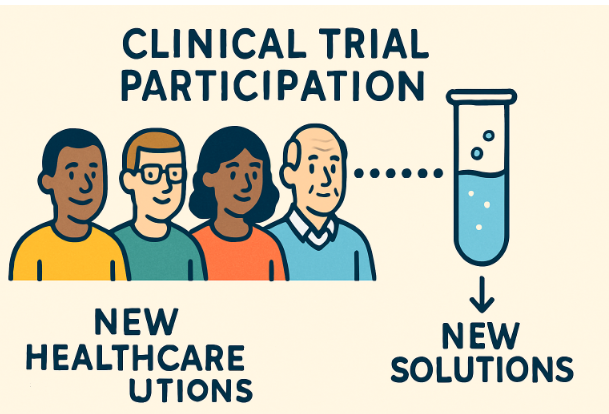
- Clinical trials are essential for developing and validating new medical treatments.
- Advancements in technology, such as decentralized trials and AI, are making clinical research more inclusive and efficient.
- Real-world evidence is increasingly influencing clinical trial designs and healthcare decisions.
Table of Contents
- The Role of Clinical Trials in Medical Advancements
- Decentralized Clinical Trials: Enhancing Accessibility
- Artificial Intelligence in Clinical Research
- Real-World Evidence Influencing Healthcare Decisions
- Pragmatic Trials: Bridging Research and Practice
- Global Inequalities in Clinical Trial Participation
- The Future of Clinical Trials
- Conclusion
Clinical trials play a pivotal role in turning innovative medical research into routine healthcare advancements that benefit countless people worldwide. As the testing ground for new treatments, devices, and procedures, clinical trials validate which interventions are safe and effective for patients. For a clearer understanding, see this definition of clinical research, which outlines the foundations and scope of these essential studies. Every medication, therapy, or vaccine widely available today has undergone a journey from research laboratories to real-world application through rigorous clinical testing.
By subjecting medical innovations to methodical evaluation with human participants, clinical trials not only protect patient safety but also ensure ongoing progress in medical science. Discoveries emerging from these studies rapidly translate into improvements in diagnosis, treatment, and even disease prevention. This cyclical process of research, testing, and implementation impacts daily healthcare by setting new standards, refining existing practices, and occasionally introducing groundbreaking changes to how chronic and acute conditions are managed.
Clinical trials continually evolve to reflect the way medicine is delivered. Whether testing new molecules for the most advanced therapies or trialing improvements in existing care pathways, trials improve the overall quality and accessibility of healthcare. Health systems and professionals depend on the results of these studies to guide evidence-based care and establish new treatment guidelines, ultimately creating lasting and widespread health benefits for people everywhere.
Beyond bringing better therapies to market, clinical research helps identify who benefits most and uncovers rare side effects that might otherwise go unnoticed outside research settings. For a broader overview of why continual study design improvements matter, read the analysis provided by the National Institutes of Health. Expanding participation and refining research methodologies is crucial to address the needs of increasingly diverse patient populations and deliver real change in day-to-day clinical settings.
The Role of Clinical Trials in Medical Advancements
At their core, clinical trials are carefully structured studies that bridge the gap between scientific breakthroughs and routine healthcare. Each phase is a step toward confirming the safety and effectiveness of a new intervention, be it a drug, device, or diagnostic tool. Before reaching your neighborhood pharmacy or local hospital, many products undergo years of investigation, first in the lab and then in increasingly larger groups of patients. Through these trials, researchers can detect side effects, optimize dosages, and monitor clinical benefits, ensuring that only the best-supported solutions reach standard practice.
Decentralized Clinical Trials: Enhancing Accessibility
Traditional clinical trials usually require frequent visits to centralized research centers. For patients in remote areas or those facing mobility barriers, this approach can mean missed opportunities to participate in potentially life-changing research. In recent years, decentralized clinical trials (DCTs) have transformed participation by leveraging digital technologies, wearables, online portals, and telehealth to reach more people from the comfort of their own homes. This new model broadens accessibility and better mirrors how treatments perform in real life. Companies like Radicle Science have led the way, offering fully remote studies that are more inclusive and reflective of everyday healthcare environments. DCTs also release researchers from geographic limitations, expanding both the diversity of participants and the applicability of their findings. (Wall Street Journal)
Artificial Intelligence in Clinical Research
Artificial intelligence is quickly reshaping every stage of clinical research, from patient recruitment to personalized care strategies. Machine learning models sift through massive health databases to match patients to relevant clinical trials, speed eligibility screening, and more accurately predict trial outcomes. These innovations reduce biases and delays, making studies more efficient and reflective of real-world patients. AI also supports safer, faster identification of side effects and helps trial managers adjust protocols mid-study for greater efficacy or safety. The partnership between AI and clinical research is already improving trial design and patient outcomes, streamlining the once-lengthy journey from innovation to everyday care.
Real-World Evidence Influencing Healthcare Decisions
Real-world evidence (RWE) refers to insights drawn from data gathered outside traditional clinical trials, such as from electronic health records, patient registries, and insurance claims. This information helps reveal how treatments function across varied populations once they are available in wider healthcare systems. The growing use of RWE is changing how researchers, policymakers, and clinicians assess effectiveness, especially for broad groups that are not always well-represented in initial clinical trials. Physicians and regulatory agencies now rely on RWE for post-market surveillance and to refine treatment guidelines, bringing a more holistic understanding of outcomes for every patient.
Pragmatic Trials: Bridging Research and Practice
Pragmatic clinical trials are designed to answer questions about how treatments work in real-world settings, focusing on typical patients and routine care environments. Instead of strict inclusion criteria and closely monitored conditions, pragmatic trials embrace the real-world complexity faced by healthcare providers and patients alike. This practical perspective increases the relevance and usability of trial findings, helping providers make more informed choices in everyday care and quickly translating evidence into improved outcomes and patient experiences.
Global Inequalities in Clinical Trial Participation
Despite the universal need for medical innovation, clinical trial participation remains unevenly distributed worldwide. Most research is conducted in high-income countries, leaving patients in low- and middle-income regions underrepresented and less likely to benefit from novel therapies. Barriers such as inadequate infrastructure, regulatory challenges, limited funding, and lack of awareness contribute to disparities in research access. Addressing these gaps is critical not only for equity but also for ensuring that treatment advances are safe and effective across diverse global populations. International collaboration, capacity-building, and regulatory harmonization offer promising pathways toward inclusive global participation.
The Future of Clinical Trials
Clinical trials are at the crossroads of technology and human potential, evolving with digital health solutions, artificial intelligence, patient-centered design, and stronger global networks. Future trends include more adaptive study designs, increased use of digital biomarkers, and deeper integration of patient experiences and real-world data into research. These changes will ensure that evidence continues to grow quickly, guiding safer, faster, and more inclusive health solutions for everyone.
Conclusion
Clinical trials provide the scientific bedrock for every major advance in modern healthcare, turning discovery into daily practice. With ongoing innovations in design, technology, and global participation, clinical research is set to become more accessible, practically useful, and truly representative of the world’s growing and diverse patient community. These shifts promise not only better treatments but also a fairer, more responsive healthcare system.
