



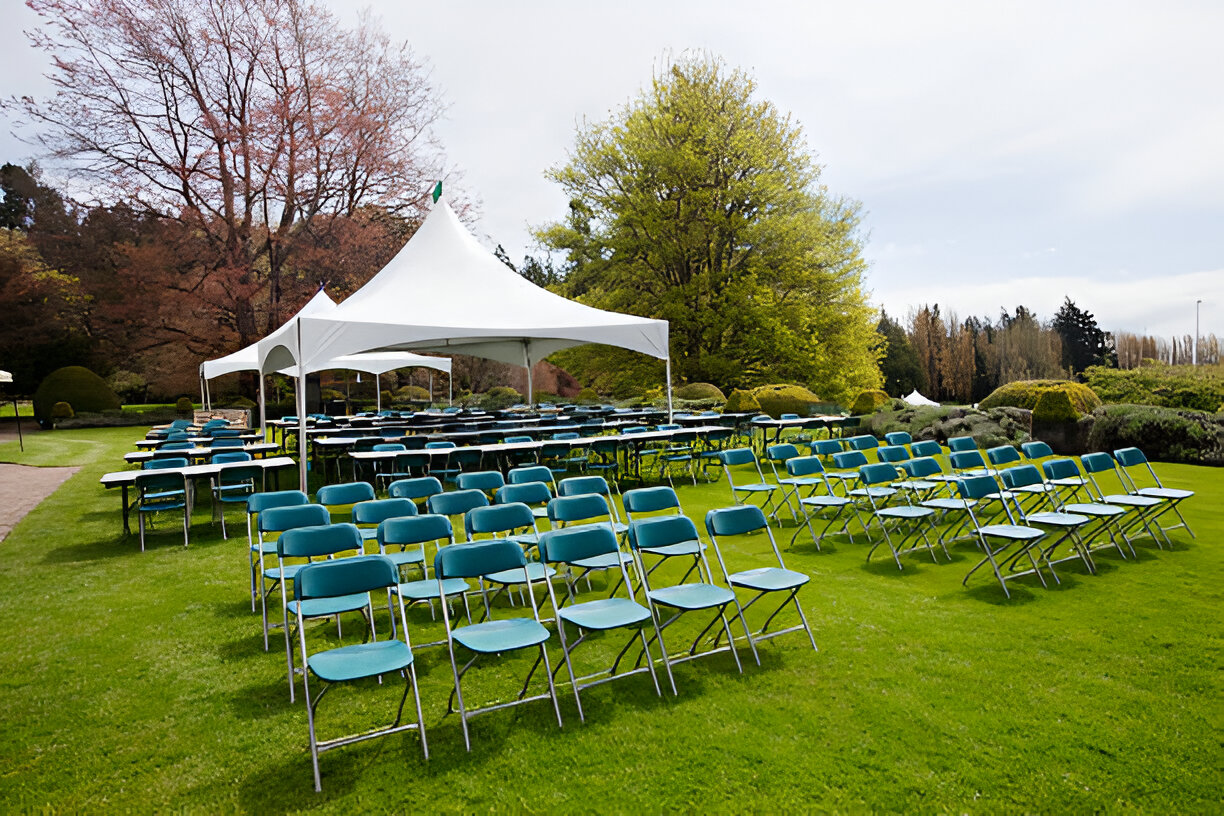
Hosting an outdoor event offers a unique experience, combining natural beauty with a relaxed atmosphere. Whether you’re planning a wedding, corporate gathering, or community festival, success lies in the details. Every aspect requires thoughtful planning, from selecting the right venue to ensuring guest comfort.
Choosing the Right Location
The venue sets the stage for your event. Parks, gardens, and private estates provide stunning backdrops, but logistics matter just as much as aesthetics. Check for accessibility, parking, and necessary permits. Additionally, consider the terrain—flat surfaces are ideal for seating and staging, while uneven ground may require extra preparation.
Weather-Proofing Your Event
Outdoor events are at the mercy of the weather, making contingency plans essential. Renting marquees or tents provides shade on sunny days and shelter from unexpected rain. You should also have sidewalls or heating options for cooler temperatures. Checking the forecast regularly and communicating with vendors about backup options will help you stay prepared.If you need extra protection from unpredictable weather, consider marquee hire with countrysidemarquees.co.uk, which offers versatile options to suit any event.
Creating a Comfortable Atmosphere
Seating arrangements, lighting, and decorations all contribute to the event’s ambiance. String lights, lanterns, or LED fixtures enhance the setting when natural light fades. Comfortable seating is essential, especially for longer events. If dining is part of the experience, ensure tables and serving areas are stable on outdoor surfaces.
Essential Amenities and Facilities
Guests should have access to clean and convenient restrooms, either through on-site facilities or portable rentals. Additional handwashing stations and sanitation services may be needed depending on the event size. If your event includes food and drinks, ensure vendors meet health and safety requirements, and provide adequate waste disposal options.
Entertainment and Sound Considerations
Audio quality is crucial if your event involves live music, speeches, or presentations. Outdoor spaces often require amplification to ensure a clear sound. Wind and ambient noise can interfere, so test your setup beforehand. For evening events, check local noise regulations to avoid disruptions.
Catering for All Guests
Food and drink options should accommodate various preferences and dietary needs. Buffets, food trucks, or plated meals each offer different experiences, so choose based on your event style and guest count. Providing shaded areas for food service and dining enhances comfort.
Managing Logistics and Rentals
Tables, chairs, staging, and lighting are just a few rental essentials for a well-equipped outdoor event. Working with experienced vendors ensures everything arrives on time and is set up correctly.
Keeping Guests Engaged
Beyond music and food, interactive elements can make an event memorable. Lawn games, photo booths, or live entertainment provide enjoyable experiences. Corporate events may benefit from networking zones, while weddings could include personalized guest activities.
Final Preparations and Safety Measures
Before the event, conduct a final walkthrough to check seating, signage, and accessibility. Have a first aid station available and ensure staff or volunteers are aware of emergency procedures. If required, secure event insurance to cover unforeseen circumstances.
By focusing on these key areas, you can create a seamless outdoor event that leaves a lasting impression on your guests. Thoughtful planning ensures everything runs smoothly, allowing you to enjoy the occasion alongside your attendees.
