



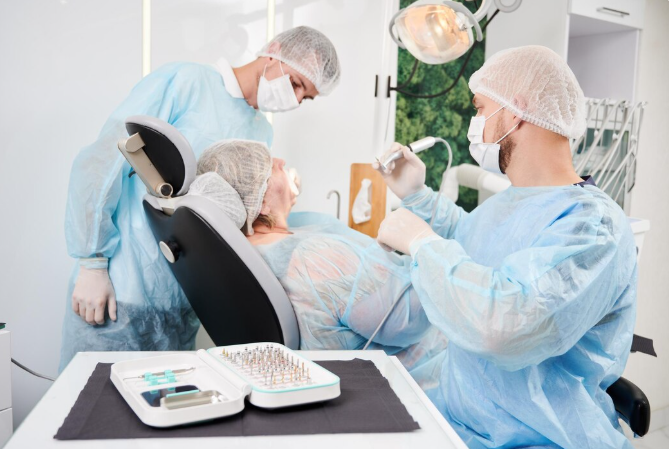
You might be sitting with a nagging question in the back of your mind. Something does not feel quite right with your implants, or you are unsure if getting implants is really the next step for you. You may be scrolling through forums late at night, comparing stories about implant surgery in Fresno, and wondering if you are overreacting or if you are missing something serious.end
That tension is exhausting. You do not want to rush into surgery, yet you also do not want to ignore warning signs. You may worry about pain, cost, or whether a surgeon will really listen to you. All of that is understandable.
The short version is this. There are clear signs that it is time to sit down with an oral surgeon and implant dentist or a surgical specialist. You do not have to decide on surgery right away. A consultation is simply a focused, expert evaluation of your situation, so you can stop guessing and start planning.
Here are four key signs that you should seek a surgical consultation for implants, what they mean, and how to move forward with more confidence and less fear.
Sign 1: Ongoing pain, discomfort, or changes that do not feel “normal”
Maybe it started as a minor ache around your implant site, or a tightness in your chest around a breast implant, or a soreness in your jaw that comes and goes. At first you brushed it off. Now it has been weeks or months, and you are noticing patterns. Pain after chewing. A burning sensation. Swelling that never quite settles down.
It is easy to talk yourself out of taking this seriously. You might think “It is probably just healing” or “I do not want to be dramatic.” The problem is that ongoing pain or visible changes can be your body’s early alarm system. In the mouth, pain around a dental implant can point to infection, bone loss, or problems with how the implant is placed. With breast implants, persistent pain, changes in shape, or hardening can signal capsular contracture or rupture. The Mayo Clinic has a clear overview of common issues and risks related to breast implants, including pain and changes in appearance, which can be helpful background as you think through your own symptoms. You can read more about those concerns in this Mayo Clinic breast implant FAQ.
So where does that leave you? If your pain is persistent, getting worse, or paired with visible changes, that is a strong sign that it is time for a surgical consultation for implants. You are not committing to surgery. You are asking a specialist to rule out serious problems and explain what is really going on.
Sign 2: Signs of infection or implant failure that you are trying to “wait out”
Another common situation is that you notice redness, warmth, swelling, or discharge, and you hope it will just pass. Maybe you tried saltwater rinses for a dental implant site or over the counter pain relief for another type of implant. Sometimes mild irritation settles on its own. Infection and failure rarely do.
In the mouth, an infected implant site can threaten the surrounding bone and neighboring teeth. In other parts of the body, infection around an implant can spread and affect your overall health. You might also see subtle signs of failure, such as a dental implant that feels slightly loose, or a breast implant that seems to shift or ripple more than it used to.
There is a natural fear of hearing bad news. Because of that fear, many people wait too long. What if the surgeon says it all has to come out? What if it is expensive? These are real worries. At the same time, earlier intervention often means simpler solutions, less bone loss, less scarring, and better long term outcomes.
If you see any sign of infection, or if something feels unstable, that is a clear sign you should seek a surgical implant consultation as soon as possible. A specialist can check implant stability, order imaging, and decide if antibiotics, minor revision, or more extensive treatment is needed.
Sign 3: Your health, medical history, or life circumstances have changed
You might have had implants placed years ago when your health, hormones, or lifestyle were very different. Since then, you may have developed an autoimmune condition, gone through pregnancy or menopause, started new medications, or had other surgeries. Now you are wondering if your implants still make sense for you.
For example, bone quality can change over time and affect how well a dental implant anchors in your jaw. Systemic conditions like uncontrolled diabetes or heavy smoking can slow healing and increase the risk of complications with any type of implant. Some people also report new or worsening symptoms they worry may be related to implants, and they feel brushed off when they raise those concerns.
So you may be asking yourself. Should I keep what I have, remove it, or update it with newer options? This is exactly the kind of question that belongs in a consultation with an oral surgeon and implant dentist or another surgical expert. They can review your medical history, current medications, and imaging, then match that with current evidence based guidance. For instance, a medical reference such as this NCBI overview of dental implants describes how bone quality, systemic health, and oral hygiene all affect how successful implants can be. A specialist will translate that kind of science into a personal plan for you.
If your health picture has changed, or you are simply not sure your original implant plan still fits your life, that is another sign it is time to sit down with a surgeon and talk through options.
Sign 4: You feel stuck choosing between doing nothing and a major surgery
Sometimes there is no dramatic pain or obvious crisis. Instead, there is a long, quiet discomfort. You might be missing teeth and tired of hiding your smile, but you are afraid of the idea of implants. Or you already have implants but are unhappy with the look, function, or how they make you feel about your body. You keep postponing decisions because everything sounds extreme.
This “stuck” feeling is common. You might think your only choices are to live with what you have or agree to a big surgical procedure you do not fully understand. In reality, there is often a spectrum of options, from doing nothing for now, to small adjustments, to full revision or new implants.
When you feel trapped between two bad choices, that is a strong sign to schedule a consultation for implant surgery, not to schedule surgery itself. A good surgeon will walk you through what is realistic, what the stages might look like, and how to time treatment with your work, finances, and family life.
How do the risks and benefits really compare?
When you are weighing a consultation, it can help to see the tradeoffs clearly. Below is a simple comparison of “waiting and watching” versus meeting with a surgical specialist for implant related issues.
| Approach | Short term impact | Long term impact | Typical emotional effect |
| Waiting and watching on your own | No immediate cost. No appointments to arrange. | Higher risk of infection spreading, bone loss, or more complex surgery later. Problems may be harder to fix. | Ongoing worry. Second guessing. Fear of “what if I waited too long.” |
| Consulting an oral surgeon or implant specialist | Time for appointments. Possible imaging costs. Need to gather records. | Earlier diagnosis. More treatment choices. Often simpler, more predictable outcomes. | Relief from uncertainty. Clear plan. Better sense of control over next steps. |
Seeing it this way often makes something clear. The biggest benefit of a consultation is not the surgery itself. It is the information and clarity you gain, so you can decide how to protect your health.
Three concrete steps you can take today
1. Write down your symptoms and questions
Before you talk to any surgeon, take ten quiet minutes and list what you are feeling and seeing. Note when symptoms started, how often they show up, what makes them better or worse, and any changes in appearance or function. Add your questions and fears, even if they sound small or embarrassing. This simple step makes your consultation more focused and helps you feel less flustered in the room.
2. Gather your records and previous imaging
If you already have implants, contact your previous dentist, surgeon, or clinic and request copies of your records, including any scans or X rays. Bring these to your consultation or send them in advance if the office asks. This saves time and gives the oral surgeon and implant dentist a clear picture of what was done and when.
3. Schedule a consultation, not a commitment
When you call a practice, be clear that you are looking for a surgical consultation for implants to understand your options. You are not agreeing to any procedure that day. Ask how long the visit will be, what to bring, and whether you can have a family member or friend with you. Knowing it is simply a conversation often takes a lot of pressure off.
Moving forward with more clarity and less fear
You do not have to keep living in that uncomfortable in between space, wondering if your concerns are serious enough or if you have already waited too long. If you see yourself in any of these four signs ongoing pain, possible infection or failure, major health changes, or feeling trapped between doing nothing and a big surgery then it is time to reach out for a professional implant surgery consultation.
A thoughtful oral surgeon and implant dentist or other implant specialist will not rush you. Their role is to listen, examine, explain, and then work with you to choose a path that fits your health, your values, and your life. You deserve that level of care and clarity.
Your next step is simple. Choose a qualified specialist, schedule a consultation, and bring your questions. From there, you can move from worry and guessing to informed, confident decisions about your implants and your health.
