



Key Takeaways
- Prioritize safety by assessing injuries and moving to a secure location.
- Document the accident scene thoroughly for insurance and legal purposes.
- Seek medical attention promptly, even for minor injuries.
- Notify your insurance company and understand your policy coverage.
- Consider legal consultation if disputes arise.
Table of Contents
- Immediate Safety Measures
- Contacting Authorities
- Documenting the Accident
- Seeking Medical Attention
- Notifying Your Insurance
- Understanding Legal Considerations
- Preventive Measures for Future
Experiencing a car accident is a stressful and confusing situation, but knowing what to do immediately after can make a significant difference in protecting everyone involved. Taking the proper steps not only ensures your safety but also strengthens any potential case should you need to consult with top personal injury law firms in Orlando, FL. Whether the accident is minor or severe, preparation and quick thinking are vital for safety and the protection of your legal rights.
Staying calm and diligent can help you avoid common mistakes that may weaken insurance claims or complicate legal matters. Clear documentation and understanding of the process are indispensable tools. By knowing what to expect, you will be better equipped to manage the aftermath efficiently, alleviating some of the uncertainty and stress that accidents often bring.
Careful action can also benefit others involved in the collision, including passengers, bystanders, and other drivers. Medical needs should be addressed immediately, which may also help protect your long-term health and ensure you have the proper evidence for claims. Each step you take after an accident should serve to improve safety, clarity, and preparedness for any developments down the line.
Preparing for the possibility of legal or insurance complications will give you much greater control over the situation. This proactive mindset can help shield you from further complications, expenses, or confusion. For further reading on accident prevention and road safety, you may find helpful resources at the National Highway Traffic Safety Administration.
Immediate Safety Measures
Safety comes first in the moments following an accident. After ensuring your own condition and that of your passengers, move your vehicle to the side of the road if it is drivable and safe to do so. This precaution can help prevent further collisions and reduce the risk for everyone on the scene. Activate your hazard lights to alert oncoming traffic, and if you must remain in the vehicle, keep your seatbelt fastened until help arrives. In some situations, remaining inside the car is the safest choice, especially if you are on a busy roadway or cannot move your vehicle.
Contacting Authorities
It is always wise to call the police, no matter the apparent extent of damage or injury. An official law enforcement report will support any subsequent insurance claims and address legal matters if disputes arise. Depending on your state, you may also be required by law to report certain types of accidents. When giving your statement, stick to clear facts and avoid speculating about fault. If emergency medical services are needed, request them when you contact the authorities to ensure prompt care for anyone who may be injured.
Documenting the Accident
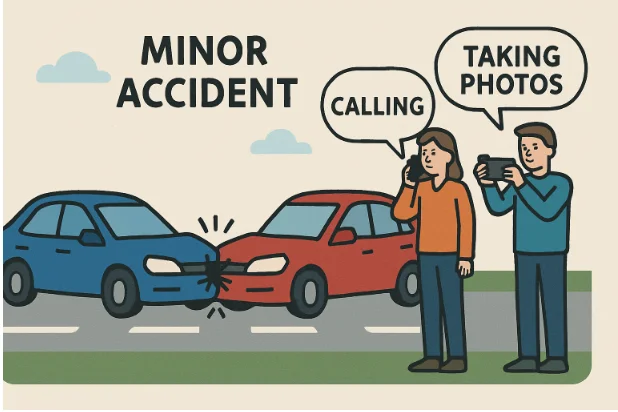
Accurate and thorough documentation is critical. Start by taking comprehensive photographs of vehicle positions, damage, license plates, road conditions, skid marks, and any nearby traffic signs or signals. Collect the names, contact details, and insurance information from every party involved, as well as the information of any witnesses. Write down your account of the accident while details are fresh in your mind, noting conditions such as weather, time of day, and other relevant factors. Having complete records will make it easier if you need to recall details or substantiate your claim later.
Seeking Medical Attention
Getting evaluated by a healthcare professional is essential even if you feel fine at the scene. Some injuries, such as whiplash or internal trauma, can appear hours or days later. Immediate medical attention provides documentation of your condition and links your injuries to the accident, strengthening any future insurance or legal claims. Make sure to keep all medical reports, prescriptions, and receipts. This type of record-keeping will simplify claim processes and support your case if you need to seek compensation.
Notifying Your Insurance
Report the accident to your insurance provider as soon as possible. Give an accurate account, share your documentation, and ask for clarification on your coverage details. Timely reporting can prevent unnecessary delays and demonstrate your willingness to cooperate with insurers. Understanding your policy, including what is covered or excluded, will help you avoid frustration. For guidance on insurance best practices, consider reading this overview from NerdWallet on filing car insurance claims.
Understanding Legal Considerations
Legal concerns such as disputes over fault or compensationare common. Seeking guidance from an attorney can help clarify your rights and the relevant laws. Save all documents pertaining to the accident, including police reports, communications with insurance, repair quotes, and medical bills. These records will be crucial if you need to prove your case in negotiations or litigation. Legal professionals are equipped to handle insurance negotiations and ensure your best interests are represented throughout the process.
Preventive Measures for Future
While accidents are often unexpected, adopting defensive driving techniques and adhering strictly to road rules will greatly reduce your risk. Regularly inspecting your vehicle and keeping it in top condition can help prevent mechanical failures. Staying up to date on local traffic laws and paying attention to changing road conditions are simple but effective ways to stay safe behind the wheel. Commitment to safe driving is an investment in your long-term well-being and can help prevent further incidents.
Being prepared before and after an accidentequips you to handle unexpected situations with clarity and confidence. Knowing what to do in advance helps you stay calm, assess injuries, document the scene, and communicate effectively with authorities and insurance providers. Taking the proper steps protects your physical well-being, preserves essential evidence, and safeguards your legal rights. This proactive approach also reduces unnecessary delays, financial strain, and stress, helping you return to your routine as quickly and smoothly as possible.
