



Table of Contents
- AI Integration in Disability Claims
- Benefits of AI in Disability Claims
- Potential Risks and Challenges
- Real-World Examples
- Ensuring Fairness and Transparency
- Final Thoughts
Artificial Intelligence (AI) is rapidly transforming the processing of disability claims, offering both new efficiencies and presenting fresh challenges. As agencies and insurers deploy AI tools, claimants see decisions delivered faster—sometimes in weeks instead of months. However, concerns about fairness, accuracy, and accountability persist. For those dealing with ERISA or Social Security disability benefits, it’s crucial to understand how AI shapes outcomes and what pitfalls exist. In particular, those considering technology-supported claims should recognize the limitations of ChatGPT for ERISA claims and similar AI-powered approaches.
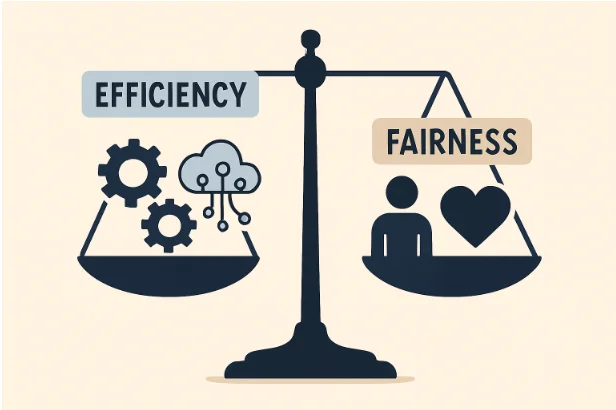
The allure of AI is clear: It can swiftly sift through vast records, standardize adjudication processes, and, in theory, minimize human error or subjectivity. At the same time, AI models introduce their own risks, such as automating biases buried deep within claim data or rendering decisions that are hard for claimants and even human reviewers to interpret. Given the high stakes—financial security, access to medical care, and personal dignity, maintaining a careful balance between efficiency and fairness is not just a technical challenge but an ethical mandate.
AI Integration in Disability Claims
Agencies responsible for evaluating disability applications have increasingly adopted machine learning-based tools to optimize workflows. The Social Security Administration (SSA), for example, deploys the Hearing Recording and Transcriptions (HeaRT) and Intelligent Medical Language Analysis Generation (IMAGEN) systems to streamline complex reviews. These tools are designed to relieve human bottlenecks, address burgeoning caseloads, and substantially reduce the average eight-month wait for initial decisions. For claimants, this often means less waiting and increased clarity in documentation requirements.
These interventions are especially significant given the time-sensitive nature of disability benefits, where prolonged delays can leave individuals vulnerable. Yet, the full implications are still evolving, with ongoing debates about transparency and the consequences of placing so much trust in systems whose inner workings can be inscrutable even to agency personnel.
Benefits of AI in Disability Claims
- Efficiency: AI can analyze hundreds of medical records and application documents in moments, reliably flagging critical details and surfacing inconsistencies that may have otherwise delayed a claim.
- Consistency: By applying uniform decision rules, AI reduces the day-to-day fluctuations that often result from subjective human judgment. This consistency enhances transparency and can be especially valuable in programs that process vast numbers of claims.
- Resource Allocation: Automating routine claim reviews provides experienced adjudicators with more capacity to focus on the most complex or disputed cases, ensuring better human attention where it matters most.
These benefits are not just theoretical. They have enabled tangible progress in clearing longstanding backlogs and in offering more predictable service to claimants and their families.
Potential Risks and Challenges
- Bias and Discrimination: AI systems trained using historical data can unwittingly replicate societal prejudices. Disability advocates highlight the danger that data points used as proxies, like frequent address changes or gaps in employment, may unfairly penalize already marginalized groups.
- Lack of Transparency: When decisions arrive with little explanation, applicants are often left frustrated, unable to challenge outcomes or identify errors in the process. Opaque “black box” systems risk eroding public trust in disability adjudication.
- Overreliance on Technology: Even the most sophisticated AI cannot capture all the personal, contextual details relevant to a person’s lived experience with disability. Human overreads, and appeals remain essential to a just process.
As agencies and private insurers double down on automation, watchdog organizations and regulators are asking hard questions about accountability and quality control.
Real-World Examples
Child Welfare Algorithm Scrutiny
Allegheny County, Pennsylvania, adopted the Allegheny Family Screening Tool to assist child protective services in triaging cases. The tool’s adoption sparked a federal investigation into whether its scoring system discriminated against families with disabilities and communities of color, using data points that acted as proxies for protected characteristics. The example underlines the unintended repercussions of poorly monitored AI deployment.
AI in Hiring Practices
In another high-profile case, the American Civil Liberties Union (ACLU) charged that the AI-powered hiring assessments by Aon led to discrimination based on both race and disability. Legal scrutiny here underscores why constant oversight and bias testing are essential for every AI implementation.
Ensuring Fairness and Transparency
- Regular Audits: Mandating independent, periodic reviews can catch and remedy the emergence of harmful patterns before they do real damage to vulnerable individuals.
- Stakeholder Involvement: Involving representatives from the disability community, legal advocates, and technologists can prevent narrow thinking and broaden the perspectives shaping AI tools.
- Transparency: Governments and insurers should publish plain-language descriptions of how AI decisions are made and offer applicants meaningful information and opportunities for appeal.
- Human Oversight: Even as automation expands, experienced professionals must remain at the heart of the process, empowered to overrule or correct automated decisions.
The careful integration of these safeguards enables AI to deliver on its promise, responsibly supporting, not supplanting, human judgment.
Final Thoughts
AI is already reshaping the disability claims landscape, bringing speed and consistency but also complex risks around bias, opacity, and due process. For claimants, advocates, and administrators, vigilance is needed to ensure AI augments rather than undermines fairness and access to justice. When policymakers and agencies embrace regular audits, transparency, stakeholder engagement, and human oversight, AI can serve as a powerful tool in a more just, efficient system.
