



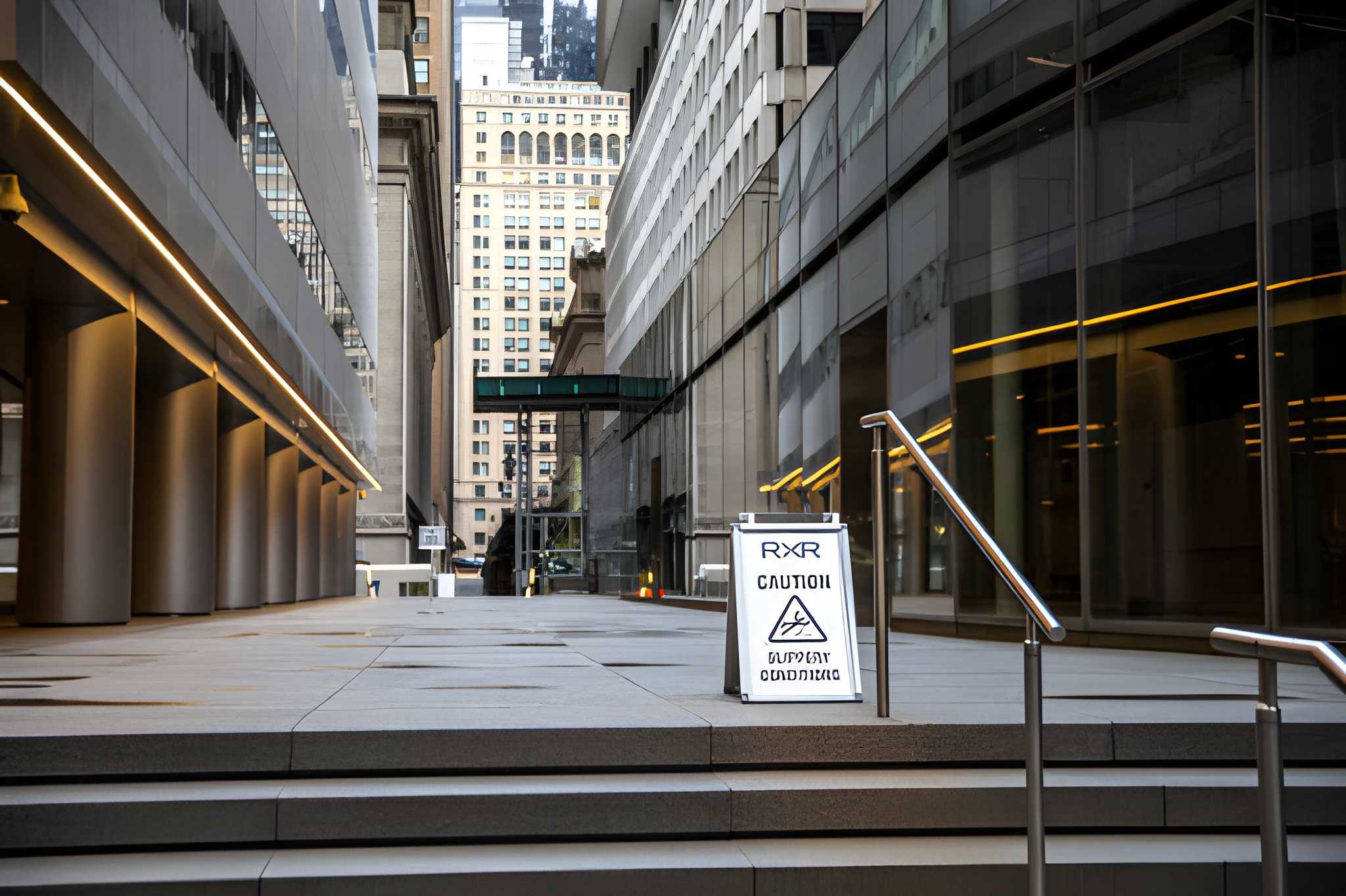
If someone slips, trips, or gets hurt on your property in New York, you may face a lawsuit that reaches deep into your savings, your business, and your peace of mind. Premises liability law decides when you are responsible. It also decides when you are not. As a property owner, you must know what the law expects from you every single day. You need clear rules for snow and ice. You need a plan for spills, broken steps, poor lighting, and loose mats. You also need proof that you inspect, fix, and warn. Without that proof, your word is weak. This blog explains how New York premises liability works, what courts look at, and how you can lower your risk before anyone gets hurt. For more support, you can also review resources at 24injurylaw.com.
What Premises Liability Means For You
Premises liability is a simple idea. If you control property in New York, you must keep it reasonably safe for people who enter. That duty covers homes, rental buildings, stores, offices, parking lots, and sidewalks you control.
New York looks at three basic questions.
- Did a dangerous condition exist
- Did you know about it, or should you have known about it
- Did you fix it, block it off, or warn people in time
If the answer to the first two is yes and the answer to the third is no, you face real risk.
Who You Owe A Duty To
You owe a duty to most people who lawfully come onto your property. That includes tenants, customers, workers, delivery drivers, and invited guests. It also often includes children who wander in, even when they do not understand the danger.
New York no longer uses old labels like “invitee” and “licensee.” Instead, courts look at what is fair under the facts. You must act as a reasonable property owner would act in the same situation.
Common Hazards That Lead To Claims
You reduce risk when you know what causes most injuries. The hazards below show up in many New York claims.
- Snow and ice on walkways, steps, and parking lots
- Wet floors from spills or mopping
- Broken or uneven steps and sidewalks
- Loose mats, carpets, and cords
- Poor lighting in halls, stairwells, and lots
- Missing handrails or guardrails
- Falling objects from shelves or balconies
- Unsafe play equipment or pools that attract children
Each hazard calls for fast action. You must inspect, repair, or warn in a time frame that matches how serious the risk is.
Actual Notice And Constructive Notice
To hold you liable, an injured person usually must show you had notice of the danger. New York law recognizes two types of notice.
- Actual notice. You or your workers knew about the hazard. For example, a tenant emailed you about a broken step.
- Constructive notice. You should have known. The condition existed long enough or was visible enough that a careful owner would have found it.
Courts ask whether you had a regular inspection system. They want to see written steps, not loose habits.
Basic Duties For Different Property Types
| Property Type | Key Duties In New York | Common Risk Points |
|---|---|---|
| Single-family home | Clear walkways and steps. Fix known hazards. Warn guests about dangers you cannot fix at once. | Ice on steps, loose railings, pets, cluttered walkways. |
| Rental building | Maintain common areas. Respond to tenant complaints. Follow New York housing and building codes. | Stairwells, elevators, entry doors, lighting, leaks. |
| Retail store | Inspect floors often. Clean spills quickly. Use warning signs. Train staff to act fast. | Grocery aisles, restrooms, entrances, parking lots. |
| Office or commercial space | Keep paths clear. Maintain parking lots. Coordinate with tenants on shared spaces. | Cords, loose mats, loading docks, snow piles. |
| Outdoor property | Maintain walkways. Trim trees. Secure play equipment. Control access to pools or ponds. | Playgrounds, pools, uneven ground, falling branches. |
Snow, Ice, And New York Rules
New York winters cause many injuries. Local laws often require owners to clear snow and ice from sidewalks within a set number of hours after a storm ends. For example, New York City requires owners to clear snow and ice from sidewalks next to their property. You can review those rules at the NYC Department of Sanitation.
You should not wait for the deadline. You should track weather reports. You should apply salt or sand. You should place mats at entrances and clean up puddles from melted snow.
Building Codes And Safety Standards
New York building and housing codes set minimum safety standards. These rules cover stairs, railings, lighting, smoke alarms, and more. If you ignore codes, you increase the risk of injury and lawsuits.
You can review general building code information through the New York State Division of Building Standards and Codes. You should work with qualified inspectors or contractors when you repair or remodel. You should keep permits and inspection reports in a safe place.
How To Protect Yourself Day To Day
You cannot remove all risk. You can show that you acted with care. Courts pay attention to your routine. A clear system protects you and the people who enter your property.
You can take three core steps.
- Inspect. Set a schedule for checking halls, stairs, entries, and lots. For busy stores, that may mean checks every hour. For small homes, that may mean checks before guests arrive and after storms.
- Fix. Repair hazards as soon as you can. If a repair takes time, block off the area or reduce the risk.
- Warn. Use signs, cones, tape, or notices to warn people about dangers that you cannot remove at once.
Documentation That Can Save You
Memories fade. Written proof helps a judge or jury see your effort. Good records can turn a hard case in your favor.
You should keep.
- Inspection logs with dates, times, and initials
- Work orders and invoices for repairs and maintenance
- Snow and ice removal records
- Emails, letters, and texts with tenants or vendors about hazards
- Photos of repairs and warning signs
After any incident, you should write down what happened. You should note weather, lighting, witnesses, and the exact location. You should keep that record with any photos and reports.
Children And Attractive Hazards
Children often do not see risk. They may chase a ball, climb a fence, or run toward a pool. Courts expect you to think about that. Pools, trampolines, old cars, and construction sites pull children in.
You should lock gates. You should use covers, fences, and alarms. You should remove old junk that draws attention. You should warn neighbors when work creates new dangers.
Insurance And When To Seek Help
Premises liability insurance can protect your savings. You should talk to your insurance agent about coverage limits for your home or business. You should report incidents early, even if you think no one is hurt.
If you receive a claim or lawsuit, you should not ignore it. You should contact your insurer and seek legal guidance. New York law has strict deadlines. Delay can cost you defenses you might otherwise use.
Taking Responsibility Protects Everyone
Owning property in New York brings real responsibility. You cannot control every choice people make. You can control how you prepare. Clear routines, quick repairs, honest warnings, and solid records protect your guests, your tenants, and your future. That care also builds trust with the people who walk through your doors every day.
