



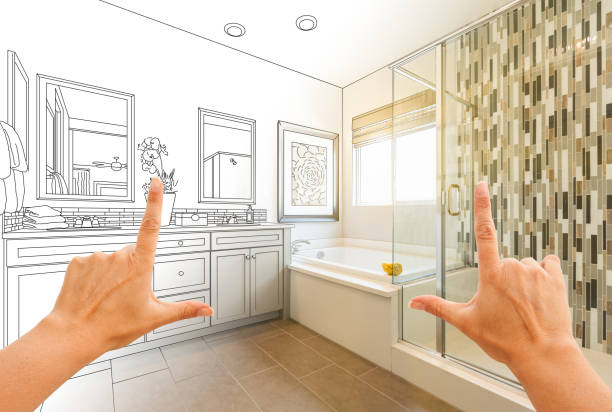
Remodeling a bathroom can transform a mundane space into a personal oasis, but choosing the right layout is crucial to achieving both style and functionality. Whether you are working with a compact powder room or a spacious master bath, thoughtful planning ensures the space is practical, visually appealing, and tailored to your lifestyle.
Here is a guide to help you navigate the key considerations when selecting the perfect layout for your bathroom remodel.
Assess Your Space and Needs
Before diving into design ideas, take a detailed look at your existing bathroom. Measure the dimensions accurately, noting doorways, windows, and plumbing fixtures. Consider who will be using the bathroom and how often.
For example, a family bathroom may need dual sinks and ample storage, while a guest bathroom might prioritize aesthetics and comfort over functionality. Understanding your needs early ensures that the layout you choose will truly serve your daily routines.
Choose the Right Layout Type
There are several common bathroom layouts, each with its own benefits:
- Single Wall Layout: All fixtures, including the sink, toilet, and shower or tub, are aligned along one wall. This layout is ideal for narrow spaces, maximizes open floor space, and simplifies plumbing.
- Galley Layout: Fixtures are placed on two opposing walls, creating a corridor-like design. This works well in longer bathrooms and allows for more storage or double vanities.
- L-Shaped Layout: Fixtures are arranged along two adjacent walls, providing a natural separation of zones while maintaining open circulation.
- U-Shaped Layout: Three walls host fixtures and storage, offering a more luxurious feel but requiring ample square footage.
Choosing the right layout type depends largely on the room’s size, shape, and your specific requirements.
Prioritize Functionality
While aesthetics are important, functionality should be your top priority. Think about the flow of movement in the bathroom. Ensure that doors and drawers can open fully without obstruction, and leave enough clearance around fixtures for comfort. Placing the toilet away from the main sightline or situating the shower in a corner can enhance both privacy and usability. Proper lighting is also key. Incorporate task lighting near mirrors, ambient lighting for the overall space, and accent lighting to highlight design elements.
Maximize Storage Solutions
A well-designed bathroom is as much about storage as it is about style. Consider built-in shelving, recessed niches in the shower, and vanities with drawers to keep toiletries organized. Open shelving can work for towels and decorative items, but make sure it does not overcrowd the room. Integrating storage seamlessly into your layout will help maintain a clean and uncluttered aesthetic.
Think About Plumbing and Ventilation
Your layout choice can significantly impact plumbing and ventilation requirements. Moving major fixtures like the toilet or shower often requires extensive plumbing adjustments, which can increase costs. Similarly, adequate ventilation is essential to prevent mold and maintain air quality.
If you are unsure about these technical aspects, consulting professionals can save both time and money. Many homeowners rely on reputable bathroom installation services to ensure the layout is not only beautiful but also practical and compliant with building standards.
Balance Style and Comfort
Finally, your bathroom should reflect your personal style while remaining comfortable. Choose materials, colors, and finishes that align with your aesthetic vision, but avoid sacrificing practicality. Non-slip flooring, durable countertops, and water-resistant wall treatments are essential considerations for longevity.
