



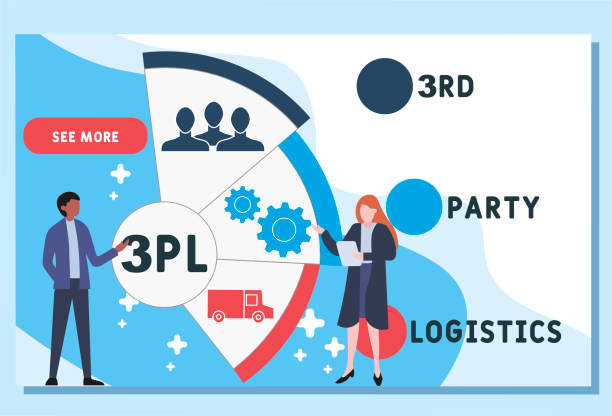
Running a business in 2025 feels a little like juggling knives while riding a unicycle. You’ve got competition nipping at your heels, unpredictable supply chains, and customers who expect lightning-fast delivery with a personal touch. It’s a lot. That’s where working with a 3PL (third-party logistics provider) can quietly become one of the smartest moves you’ll ever make. These companies exist to take the operational chaos out of your hands and turn it into something that actually works profitably, reliably, and (if you pick well) invisibly to the end customer.
Below, we’ll look at three of the biggest, most tangible benefits of partnering with a 3PL: saving money, improving service quality, and building a more resilient brand that customers trust – even when things go sideways.
1. Cost savings that actually show up on the balance sheet
Let’s start with the obvious one that is money. Logistics is expensive. Trucks, warehouses, drivers, insurance, returns management and packaging. It all adds up faster than most small or midsize companies can handle. Outsourcing to a 3PL turns those big capital expenses into manageable operational ones. Instead of owning fleets or renting warehouses you barely fill half the year, you can pay for what you use and scale up or down as needed.
Many 3PLs already have optimized routes, bulk-rate agreements, and the tech infrastructure to squeeze every penny of efficiency from each delivery mile. They’re running hundreds of routes daily, which means you’re effectively tapping into economies of scale you could never reach alone. If you’re serious about tightening margins, it’s worth checking out some of the cost reduction strategies used by leading global firms and you’ll notice outsourcing logistics sits right near the top of the list.
2. Better service, faster delivery, happier customers
The second reason many companies partner with a 3PL is because the customer experience improves almost immediately. A good logistics partner doesn’t just move boxes – they handle tracking, delivery notifications, reverse logistics, and often even the “last mile” of interaction with your customer. When they get it right, your brand feels smooth, professional, and trustworthy.
For instance, imagine an online furniture retailer trying to handle their own delivery network. Delays, broken items, missed time slots – all that mess reflects on them, not the delivery drivers. Hand that same operation to a reputable 3PL, and suddenly deliveries arrive on time, tracking updates are accurate, and the customer doesn’t even realize it’s an outsourced service. That’s the point. Outsourcing logistics allows your business to focus on what it does best – designing products, managing marketing, or refining your next big idea while experts handle the heavy lifting, literally and figuratively.
3. Protecting your reputation through reliability and adaptability
There’s a saying in business: “You’re only as good as your last delivery.” It’s harsh but true. In an era of instant reviews and social media backlash, a single bad experience can hurt your brand’s reputation more than a dozen great ones can help it. A strong 3PL partner helps safeguard against that by building consistency into every customer interaction – whether that’s timely deliveries, real-time tracking, or efficient returns.
Beyond reliability, flexibility also protects your brand. Think about global supply shocks, fuel price spikes, or sudden demand surges (remember the early pandemic toilet paper chaos?). A 3PL that’s already managing multiple clients can redirect assets, find alternative carriers, and smooth out the turbulence in ways a single business simply can’t. That adaptability becomes a form of insurance – not the kind you pay monthly, but the kind that shows up when your entire supply chain is on fire and you still deliver on time.
Final thoughts
Outsourcing to a 3PL isn’t just a cost-cutting measure – it’s a strategic shift. It frees your business from the operational grind and gives you breathing space to grow, experiment, and refine your offer. It turns fixed costs into flexible ones, logistics headaches into measurable KPIs, and delivery mishaps into reliable customer experiences.
For more insight into modern operations, strategy, and efficiency, the business learnings section of Charmful Names regularly dives into the messy, behind-the-scenes stories of how businesses adapt. Because at the end of the day, whether you’re scaling an online shop or managing a multinational supply chain, the companies that thrive are the ones that know when to do it themselves – and when to let someone else drive the truck.
