



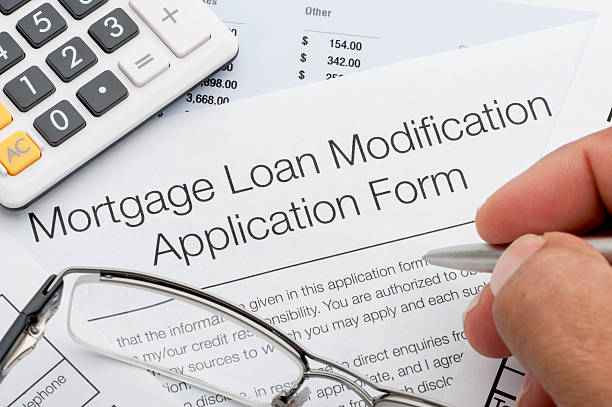
When applying for a home loan in Australia, it’s natural to wonder what’s going on behind the scenes. Lenders don’t just glance at your payslip and tick a few boxes—they take a deep dive into your financial situation to ensure you’re a suitable candidate for a mortgage. Understanding how lenders assess your home loan application can help you prepare, avoid unnecessary delays, and improve your chances of approval.
Whether you’re buying your first property or considering using your parents’ equity for a home loan as part of a family guarantee strategy, it’s important to know what lenders are really looking for. Here are the key criteria lenders assess and offer tips on how to position yourself in the best light possible.
Your Income and Employment Stability
Lenders need to be confident that you have a steady and sufficient income to cover your loan repayments. They’ll look at:
· Your current salary or income from self-employment
· Employment type (full-time, part-time, casual, or contract)
· Job stability and history (usually preferring at least 6–12 months with your current employer)
If you’re self-employed, be prepared to supply at least two years of tax returns and financial statements.
Your Expenses and Living Costs
Gone are the days of relying purely on benchmarks—lenders now analyse your actual spending habits. This includes:
· Utilities and groceries
· Transport and medical costs
· Subscriptions, memberships, and discretionary spending
Some lenders may ask for up to three months’ worth of bank statements to evaluate your spending patterns.
Your Credit History
Your credit report is a key factor in the assessment process. It shows lenders how reliably you’ve managed debts in the past, including:
· Credit card repayments
· Personal loans and any defaults
· Missed or late payments
A strong credit score increases your chances of approval and can also influence the interest rate you’re offered.
Your Assets and Liabilities
Lenders want to see a snapshot of your financial health. Assets might include:
· Savings and term deposits
· Superannuation
· Vehicles and other real estate
Liabilities, on the other hand, include:
· Credit cards (even if not fully used)
· Personal loans or car finance
· HECS/HELP debts
Reducing your liabilities—or cancelling unused credit cards—can positively impact your borrowing power.
Your Deposit and Loan-to-Value Ratio (LVR)
The size of your deposit has a big influence on your application. Generally, lenders prefer borrowers who can contribute at least 20% of the property value, as it reduces their risk. If your deposit is less than 20%, you may need to pay Lenders Mortgage Insurance (LMI). Some buyers explore alternative strategies, such as using your parents’ equity for a home loan, to meet deposit requirements and avoid LMI.
Genuine Savings
Many lenders require evidence of genuine savings—funds you’ve saved gradually over time, typically over three to six months. This shows financial discipline. Gifts or one-off windfalls (like an inheritance) might not count as genuine savings, although they can still help with your deposit.
The Property Itself
The property you’re buying is also assessed, as it serves as security for the loan. Lenders will consider:
· The location and type of property
· Its market value (via a lender-ordered valuation)
· Whether the property is suitable for resale if repossession is ever required
Unusual properties or those in high-risk postcodes may be more difficult to finance.
Getting a home loan isn’t just about ticking boxes—it’s about showing that you’re a reliable, financially responsible borrower
By understanding what lenders assess, you can take proactive steps to strengthen your application – that might include cutting back on spending, consolidating debts, or even exploring family assistance options like using your parents’ equity for a home loan. When in doubt, speaking with a mortgage broker or financial adviser can help you navigate the process and put your best foot forward.
