



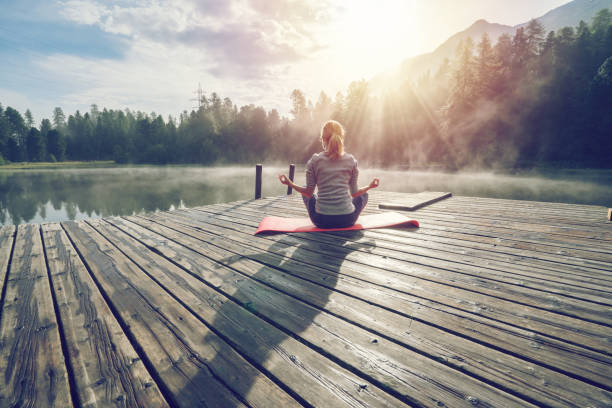
Anxiety can influence our thoughts, sometimes making it harder to feel at ease or balanced. The demands of daily life can create challenges in finding clarity and calm. Meditation offers a way to relieve tension, ease anxiety, and cultivate a peaceful state of mind. Let’s explore how meditation works in easing anxiety and clearing the mind.
Meditation has long been known for its calming benefits, and science is now uncovering why it works. By focusing the mind and bringing attention to the present moment, we reduce the overwhelming flood of thoughts that contribute to anxiety. A Sedona healer can guide beginners to develop the skills necessary to incorporate this practice into their daily routine. It helps shift the focus from constant worries to a peaceful state of mind. This process fosters mindfulness, allowing one to center their thoughts and calm their emotions.
Meditation Techniques to Clear the Mind
There are several techniques to incorporate meditation into daily life, each with its own focus and benefits. By paying close attention to your breath or body sensations, you can ground yourself in the present moment, which can help alleviate anxiety. Another effective method is loving-kindness meditation, where practitioners focus on sending positive thoughts to themselves and others. Each of these techniques works to create space in the mind and clear the clutter that often builds up. Starting with just a few minutes a day can gradually lead to more profound feelings of peace.
Breathing Techniques to Ease Anxiety
The breath plays a central role in meditation and is often used to calm both the body and the mind. One of the simplest ways to ease anxiety is to focus on the breath. Slow, deep breaths can signal the body to relax, triggering the parasympathetic nervous system. This helps lower the heart rate and reduce the physical symptoms of anxiety.
In addition to focusing on the breath, practicing deep breathing exercises can help manage stress in the moment. Techniques like box breathing or diaphragmatic breathing are especially effective for calming the mind. With regular practice, they become an accessible method for reducing tension throughout the day.
Meditation’s Contribution to Emotional Recovery
Meditation can also be a powerful tool for emotional healing. It allows individuals to process and release pent-up emotions that may be contributing to anxiety. Regular practice creates a space for emotional resilience, thus helping to break the cycle of negative thinking. By cultivating awareness, practitioners learn to respond to emotions rather than react impulsively.
This emotional clarity helps in identifying the root causes of anxiety. Over time, meditation fosters greater emotional balance, reducing the intensity of stress and promoting a deeper connection to oneself. As you continue with practices, you may discover greater self-compassion, which plays a crucial part in easing anxiety and creating a calm mind.
Developing a Regular Meditation Routine
Creating a regular practice is essential for experiencing its full benefits. It doesn’t require hours of time, but consistency matters. Start by dedicating just five minutes a day, and gradually increase the duration. Over time, this practice will become a natural part of your daily routine, enhancing mental clarity and reducing anxiety. If you’re unsure where to begin, consulting with a skilled instructor can offer valuable insights and guidance.
By incorporating techniques like mindful breathing and emotional healing, you can create a peaceful mental state. With guidance from an experienced Meditation Teacher, you can deepen your practice and experience long-term benefits for both mind and body. Consistency is necessary in meditation, as the benefits accumulate over time. It’s essential to start small, be patient, and incorporate meditation into your daily life.
