



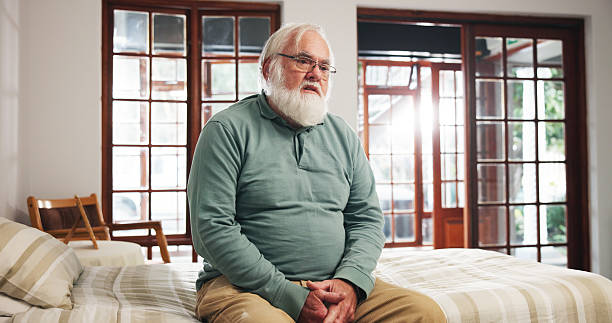
The Shift Away from Traditional Care Models
Families used to handle elder care right in the house. Now dual-income jobs pull everyone away. Kids live states apart. Parents work longer hours. Expecting one relative to drop everything just doesn’t happen anymore. Seniors want to stay put. They know their neighborhoods. Doctors visits stay routine. Home setups match their needs already. Institutional spots fill up fast anyway. Waitlists drag on. Aging in place saves the hassle. Most pick it because moving sounds exhausting. Daily life stays predictable.
Physical Health Benefits of Remaining Home
Falls happen less when you know every corner. Stairs you’ve climbed for years don’t trip you up like some sterile hallway would. Infections spread quick in group living. Shared air, shared bathrooms, constant traffic. Home keeps germs at bay. Medication mix-ups drop too. Your pill organizer sits on the kitchen counter, not lost in a nurses station. Familiar spots calm the nerves. That calm speeds up healing from whatever ails you. Doctors notice patients recover faster without the stress of relocation. Routines you control mean meals on time. Exercise when you feel like it. Body responds better to what it knows.
Mental and Emotional Stability
Depression hits nursing homes hard. Rates climb past 40 percent in some studies. Home drops that number way down. Anxiety follows the same pattern. Institutional rules chafe against personal habits. You decide your bedtime at home. Meals match your taste. Cognitive slips worsen under pressure. Memory fades quicker when surroundings change. Familiar walls jog the brain. Photos on the mantle trigger stories. Independence fights off the fog. Control over small choices builds confidence. Psychological health holds steady. Decisions stay yours. No one dictates the thermostat.
The Cost Reality
Institutional care runs $100,000 a year easy. Private rooms push it higher. Home services cost half that for basics. Hourly aides run $25 to $30. Full-time help adds up but stays flexible. Families skip the upfront facility fees. Hidden costs bite both sides. Nursing homes tack on extras for laundry, supplies. Home means buying adaptive gear once. Medical bills overlap anyway. Insurance covers more at home sometimes. Medicare pays for certain in-home therapies. Long-term, home stretches the budget. No contracts lock you in.
Family Dynamics and Caregiving Roles
Home care pulls relatives closer. Visits turn into real talks, not scheduled slots. Burden weighs heavy though. One sibling shoulders more if others slack. Benefits show in shared decisions. Everyone weighs in on hires, schedules. Emotional knots tangle up. Guilt creeps in when work interferes. Joy hits when grandma laughs at old jokes. Relationships strain but deepen. Caregiving roles shift naturally. Spouses step up first. Kids rotate weekends. Complexity never vanishes. It just lives with you.
Professional Services That Make Home Care Possible
Nurses come right to the door. They check vitals, change dressings. Physical therapists work on mobility in your living room. No awkward gym transfers. Medication managers sort pills weekly. Personal aides handle baths, meals. These pros train for exactly this. Services pop up everywhere. In places like home care Charleston SC, options match local needs. Communities adapt to demand. You pick what fits. Schedules bend around life.
Safety Modifications and Technology
Grab bars install near toilets fast. $50 each, solid hold. Lighting upgrades cut shadows at night. Motion sensors flip switches automatically. Flooring swaps to non-slip rugs. No more slick tiles. Emergency buttons hang around the neck. One press dials help. Monitoring cams watch quietly. Apps alert phones for falls. Tech stays subtle. No big brother feel. Peace settles in. Homes turn secure without overhaul.
Social Connection and Quality Time
Isolation creeps in anywhere. Home fights it better. Neighbors drop by unannounced. Friends host game nights still. Community centers run shuttles. Relationships build on comfort. No facility bus schedules. Quality time flows natural. Grandkids play in the yard. Interactions deepen without crowds. Seniors hold onto ties. Loneliness fades slower.
Managing Multiple Health Conditions at Home
Chronic stuff piles up. Diabetes, heart issues, arthritis. Coordinated care syncs it all. Nurses track blood sugar daily. Specialists consult via telehealth. Medication schedules print out clear. Alarms buzz for doses. Emergency kits sit ready. Defibrillators, oxygen tanks. Preparedness covers bases. Practical steps keep chaos down. Doctors loop in family. Adjustments happen quick.
The Transition Planning Process
Assess needs first. Doctor lists what’s required. Hire aides through agencies. Background checks matter. Training covers specifics, like dementia cues. Ongoing tweaks follow. Weekly check-ins spot issues. Expectations stay grounded. Not every day smooths out. Adjustments drag sometimes. Families learn as they go.
When Institutional Care Becomes Necessary
Severe needs push limits. Round-the-clock IVs, intensive rehab. Home can’t match that equipment. Dementia stages demand locked units. Wandering risks too high. Medical crises need instant teams. Balance tips then. Home works for most. Facilities fill gaps. Dismiss nothing. Pick what fits the facts.
Moving Forward with Confidence
Home care matches what seniors want. Practical wins stack up. Decisions hinge on real situations. No one-size-fits-all. Weigh options straight. Confidence builds from there.
