



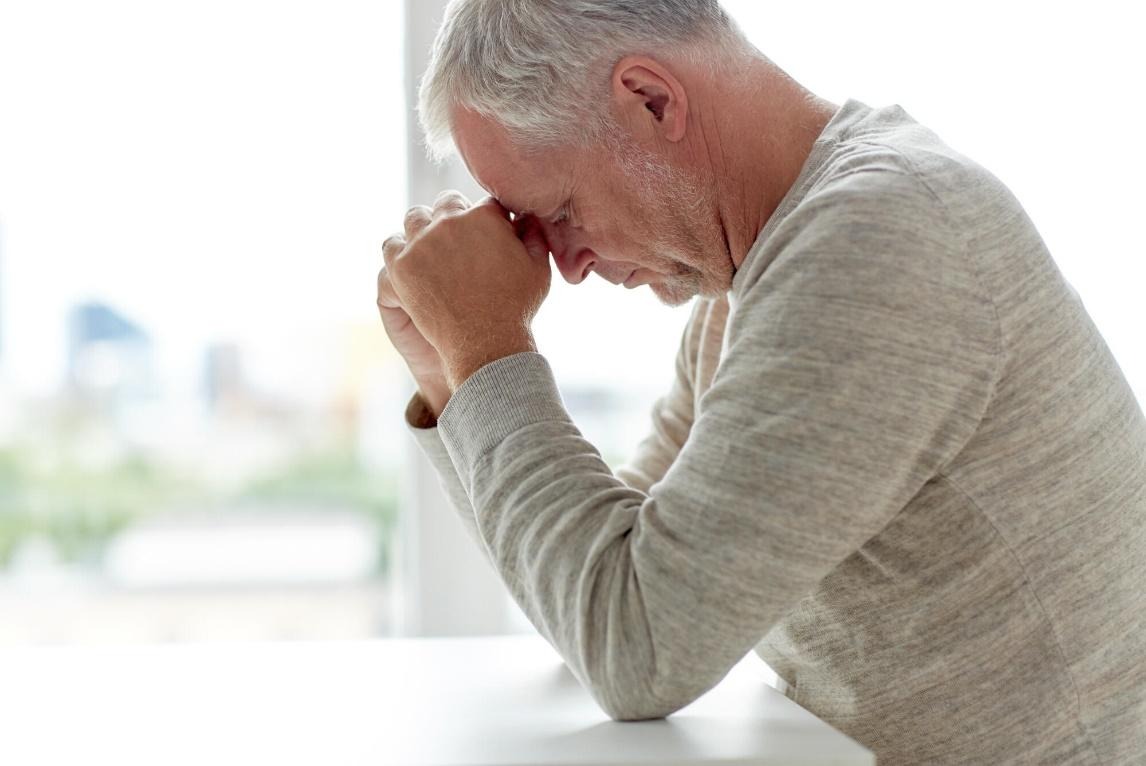
Have you ever wondered how grief feels for seniors? Losing someone close is hard for anyone, but for older adults, grief can affect both their minds and bodies in ways we might not expect.
This article explains how grief may evoke profound sadness, confusion, and even physical discomfort. Recognizing these signs helps us support seniors and aid their healing.
Confusion and Anxiety During Grief
Grief can impair seniors’ focus and memory. Simple tasks may become more difficult. This confusion can cause frustration and worry.
Anxiety often follows grief. Seniors may feel anxious about their safety or future. These feelings may heighten stress and impact their sleep.
Loss of Interest and Guilt
Many seniors lose interest in hobbies and activities they previously enjoyed. This loss can result in withdrawal from social events. It reduces their chances of feeling connected with others.
Guilt represents another significant emotional indicator. Seniors might blame themselves for their actions or inactions. These feelings can intensify their sadness and hinder the healing process.
Fatigue and Appetite Changes
Grief often leaves seniors feeling fatigued, even after rest. This can affect their motivation to do daily tasks. It can also diminish their energy for hobbies.
Appetite may change during grief. Seniors might eat much less or more than usual. These shifts can impact their physical health and overall weight.
Sleep Problems and Physical Aches
Seniors may have trouble falling asleep or staying asleep during grief. Poor sleep can worsen feelings of tiredness and irritability. These are common signs of loss in grieving seniors and reflect how grief can affect both the body and the mind in real ways.
Physical aches like headaches, muscle pain, or stomach problems can appear. These pains might not have a clear cause, but they are real. Recognizing these discomforts as signs of loss in grieving seniors can help caregivers respond with more understanding and support.
Lowered Immunity and Weight Changes
Grief can compromise the immune system of seniors. This means they may get colds or infections more often. Their bodies may struggle more to fend off illnesses.
Unexpected weight changes may occur. These changes may result from shifts in appetite or stress. Weight changes can affect overall health and require attention.
Social Withdrawal in Senior Grief
Many seniors withdraw from friends and family after a loss. They may shun gatherings and choose solitude. This isolation can impede their feeling of support from others.
Social withdrawal can also limit opportunities for seniors to talk about their feelings. Without social connection, their grief may feel even more burdensome. Reaching out can help break this pattern.
Changes in Daily Routine
Grief often disrupts a senior’s normal daily habits. They might skip meals or forget to take medication. Their usual activities may feel less important or overwhelming.
This disruption can affect their physical and mental health. Maintaining a routine can help seniors feel more grounded. It also supports recovery during the grieving process.
Healing Hearts and Minds Through Understanding Senior Grief
Grief is a subjective experience; however, it varies significantly between individuals, especially seniors. It is important to recognize the signs and respond with kindness and patience. Support can make a big difference in helping seniors find peace again.
Every step taken toward understanding grief is a step toward healing. Compassionate care fosters a safe environment for healing.
We hope this article has been informative and beneficial to you. If you found it helpful, be sure to check out our blog for more valuable information and resources.
