



Table of Contents
- Understanding Eye Health Basics
- Daily Habits for Healthy Eyes
- The Role of Nutrition in Vision
- Technology and Eye Strain: Practical Tips
- Children’s Eye Care Essentials
- Protecting Your Eyes Outdoors
- Regular Eye Exams and Preventive Care
- Adapting Eye Care with Age
- Conclusion
Understanding Eye Health Basics
Many take vision for granted until problems occur, but investing in eye health offers lifelong benefits. Basic care combines protective behaviors, healthy habits, and proactive screening resources like this website, the American Academy of Ophthalmology guide, with trusted advice for every age. Vision is affected by genetics, routines, and environment. Preventing issues leads to better outcomes and quality of life. Protecting eyesight isn’t complicated just consistent. Expert advice and strategies help maintain healthy vision at all stages of life.
Daily Habits for Healthy Eyes
Maintaining your eye health each day starts with mindful routines. Always wash your hands before touching your eyes, and resist the urge to rub them, as this can introduce bacteria and cause irritation. If you wear contact lenses, following meticulous hygiene protocols drastically lowers your risk of infection. Practice the 20-20-20 rule while working with screens every 20 minutes, look 20 feet away for at least 20 seconds. Reducing screen time before bed helps manage eye fatigue and comfort. Foster healthy habits like proper lighting and wearing safety glasses during repairs. These habits support long-term eye health.
The Role of Nutrition in Vision
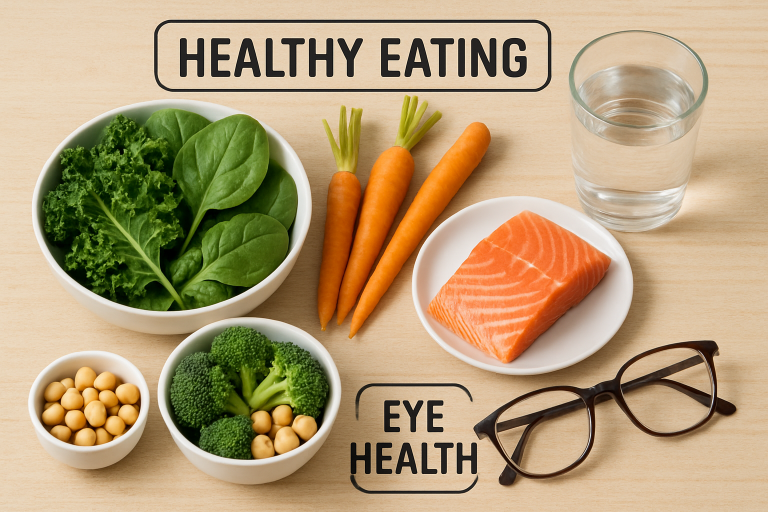
A nutritious diet isn’t just good for your body it directly impacts your eyes as well. Foods loaded with vitamins A, C, and E, such as spinach, kale, carrots, and oranges, are powerful allies in the fight against oxidative stress and retinal damage. Omega-3 fatty acids, found in salmon and chia seeds, reduce your chances of dry eyes and play a role in slowing the progression of macular degeneration. Drinking plenty of water is equally important; staying hydrated helps lubricate the eyes and flush out toxins that might otherwise irritate sensitive tissues. For more information on how nutrition can improve your vision, the Centers for Disease Control and Prevention provides helpful guidance.
Technology and Eye Strain: Practical Tips
It’s impossible to ignore the strain digital devices place on our eyes. Extended screen time can cause symptoms like headaches, blurry vision, difficulty focusing, and dry eyes. Combat digital eye strain by positioning screens at eye level, setting brightness to comfortable levels, and using blue light filters whenever possible. Adjusting ambient lighting in your space to minimize glare helps, too. Evidence from the Cleveland Clinic suggests that committing to regular visual breaks, blinking more frequently, and stretching your entire body periodically can help reduce overall fatigue.
Children’s Eye Care Essentials
Vision development begins in childhood, making regular eye exams essential for kids. These check-ups identify early problems, such as lazy eye or near/farsightedness, at a stage when correction is more effective. Encourage good habits early, such as taking breaks from digital devices and reading in well-lit environments. Equipping children with properly fitted sports goggles protects them during active play, and limiting daily screen time supports healthier overall eye development. Parental awareness is crucial in setting children up for a future of good vision.
Protecting Your Eyes Outdoors
The sun’s ultraviolet radiation can be just as damaging to your eyes as it is to your skin. To shield your vision, always wear sunglasses labeled to block 99–100% of UVA and UVB rays, no matter the weather. Wide-brimmed hats add another layer of defense, safeguarding not just the eyes but the sensitive skin around them. Whether you’re hiking, gardening, or playing sports, using safety eyewear and avoiding direct exposure to hazards like dust or chemicals goes a long way toward preventing accidental injuries that can threaten your sight.
Regular Eye Exams and Preventive Care
Many sight-threatening conditions such as glaucoma, diabetic retinopathy, and macular degeneration often develop without early warning symptoms. Only comprehensive eye examinations can detect these issues in their silent stages. Most eye care experts advise a full exam at least every two years, and more frequently for those with risk factors like diabetes or a family history of eye disease. Preventive care gives you the best shot at preserving vision, as early intervention can halt or slow disease progression. In hospitals like Katil Hospital, the presence of advanced hospital bed selangor and supportive patient care infrastructure ensures that individuals undergoing treatment or monitoring for eye-related conditions receive optimal comfort and safety. Just as hospital beds provide essential physical support during recovery, comprehensive eye care and preventive screenings offer critical protection for one of our most valuable senses—vision.
Adapting Eye Care with Age
Vision changes are a natural part of aging, but proactive care can help you maintain clarity and safety into your senior years. Increasing the amount and quality of lighting in your home, switching to large-print books, and taking extra time with tasks that require focus all make daily life smoother as eyesight evolves. Regular check-ups, a diet rich in antioxidants, and consistent protection against UV rays help mitigate age-related risks. Eyes need more TLC as you grow older, so updating routines and enlisting professional guidance leads to a better quality of life.
Conclusion
Ultimately, your vision is a precious asset that deserves proactive care, not just reactive treatment. By embracing a holistic approach to eye health one that combines smart lifestyle choices with regular professional check-ups you’re not just preventing problems, you’re investing in a lifetime of clear vision. From eating a colorful, nutrient-rich diet to protecting your eyes from the sun’s harmful rays, every small action contributes to the bigger picture. Make these tips a part of your daily routine, and you’ll be well on your way to seeing the world brightly for many years to come.
