



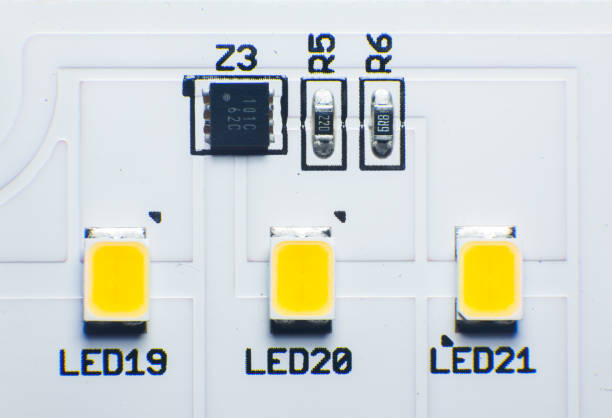
In recent years, LED lighting technology has revolutionized the way we illuminate homes, offices, and commercial spaces. Among the most versatile lighting solutions, LED strips stand out for their flexibility, energy efficiency, and creative applications. Whether you are an interior designer, an electronics retailer, or a contractor, choosing the right LED strip manufacturer is crucial to ensure quality, reliability, and cost-effectiveness. In this guide, we will explore the key factors you should consider when selecting a manufacturer and why this choice can significantly impact your business.
Why Quality Matters in LED Strip Manufacturing
Not all LED strips are created equal. A high-quality LED strip manufacturer uses premium components, ensuring that the strips have consistent brightness, long lifespan, and excellent color rendering. Poorly manufactured strips may suffer from color inconsistencies, dimming issues, or premature failure, leading to customer dissatisfaction and costly replacements.
Reliable manufacturers conduct strict quality control, test their products against international standards, and often provide certifications such as CE, RoHS, or UL. These certifications guarantee that the LED strips meet safety and environmental requirements, which is essential for businesses operating in global markets.
Key Factors to Consider When Choosing an LED Strip Manufacturer
1. Product Range and Customization Options
A good LED strip manufacturer should offer a wide range of products, including RGB strips, CCT adjustable strips, and high-density LED strips for professional applications. Additionally, if you need custom solutions, such as specific color temperatures, waterproof coatings, or unique PCB designs, the manufacturer should have the capability to provide OEM or ODM services.
2. Brightness and Color Accuracy
High-quality LED strips should have consistent brightness and accurate color representation. Ask the manufacturer about their binning process for LEDs, as well as their testing standards for color temperature and lumen output. A professional LED Strip suppliers will provide detailed specifications and may even offer sample testing before bulk orders.
3. Durability and Heat Management
LED strips generate heat, and improper heat dissipation can shorten their lifespan. A reliable manufacturer uses high-quality PCB boards, proper copper thickness, and efficient heat management techniques. If you are installing strips in demanding environments—such as outdoor signage or commercial spaces—this is especially important.
4. Certifications and Compliance
As mentioned earlier, certifications are a strong indicator of a manufacturer’s credibility. Look for LED strip manufacturers with certifications such as UL, CE, RoHS, or ISO 9001. These not only ensure product safety but also help you comply with local regulations in your target market.
5. Production Capacity and Lead Time
If you are a wholesaler or large-scale contractor, production capacity and lead time are crucial. A reputable LED strip manufacturer should have modern production facilities, automated assembly lines, and the ability to handle bulk orders without compromising on quality.
6. After-Sales Support and Warranty
Customer service and warranty policies are also important considerations. A professional manufacturer should offer technical support, clear warranty terms, and quick responses to any issues. Long-term partnerships depend on trust, and after-sales service is a major part of that trust.
Why Work Directly with Manufacturers Instead of Traders?
Many businesses source LED strips through trading companies, but working directly with a reliable LED strip manufacturer has significant advantages. First, you get better pricing since there are no middlemen involved. Second, direct communication with the manufacturer ensures faster response times, customization flexibility, and access to the latest product developments. Third, you have more control over quality inspections and production monitoring.
Top Applications of LED Strips in Modern Lighting
Choosing a good LED strip manufacturer is especially important because LED strips are used in various high-impact applications:
- Residential Lighting – Under-cabinet lighting, cove lighting, and ambient effects.
- Commercial Lighting – Retail displays, signage, and decorative illumination.
- Architectural Projects – Façade lighting, landscape illumination, and bridges.
- Automotive and Marine Lighting – Accent lighting, dashboard illumination, and boat interiors.
Each application requires different specifications, which is why working with a knowledgeable manufacturer is essential.
How to Find the Best LED Strip Manufacturer
If you are serious about sourcing quality products, start by researching established companies with proven track records. Look for manufacturers who regularly attend international lighting exhibitions, have professional websites, and can provide case studies or references. You can also request factory audits or third-party inspection reports for additional assurance.
For businesses aiming for long-term success, building a strategic partnership with a trustworthy LED strip manufacturer is one of the smartest investments you can make. Not only will you gain access to premium products, but you will also benefit from technical expertise, reliable supply chains, and opportunities for co-development of new lighting solutions.
Conclusion
Selecting the right LED strip manufacturer is more than just comparing prices; it is about ensuring quality, reliability, and long-term business growth. A reputable manufacturer will help you deliver superior lighting solutions to your clients, reduce warranty claims, and build a strong brand reputation in the competitive LED lighting market.
If you are planning to start or expand your LED lighting business, take the time to evaluate manufacturers carefully. Request samples, check certifications, and establish clear communication before placing bulk orders. By choosing wisely, you can secure a reliable partner that supports your business for years to come.
