



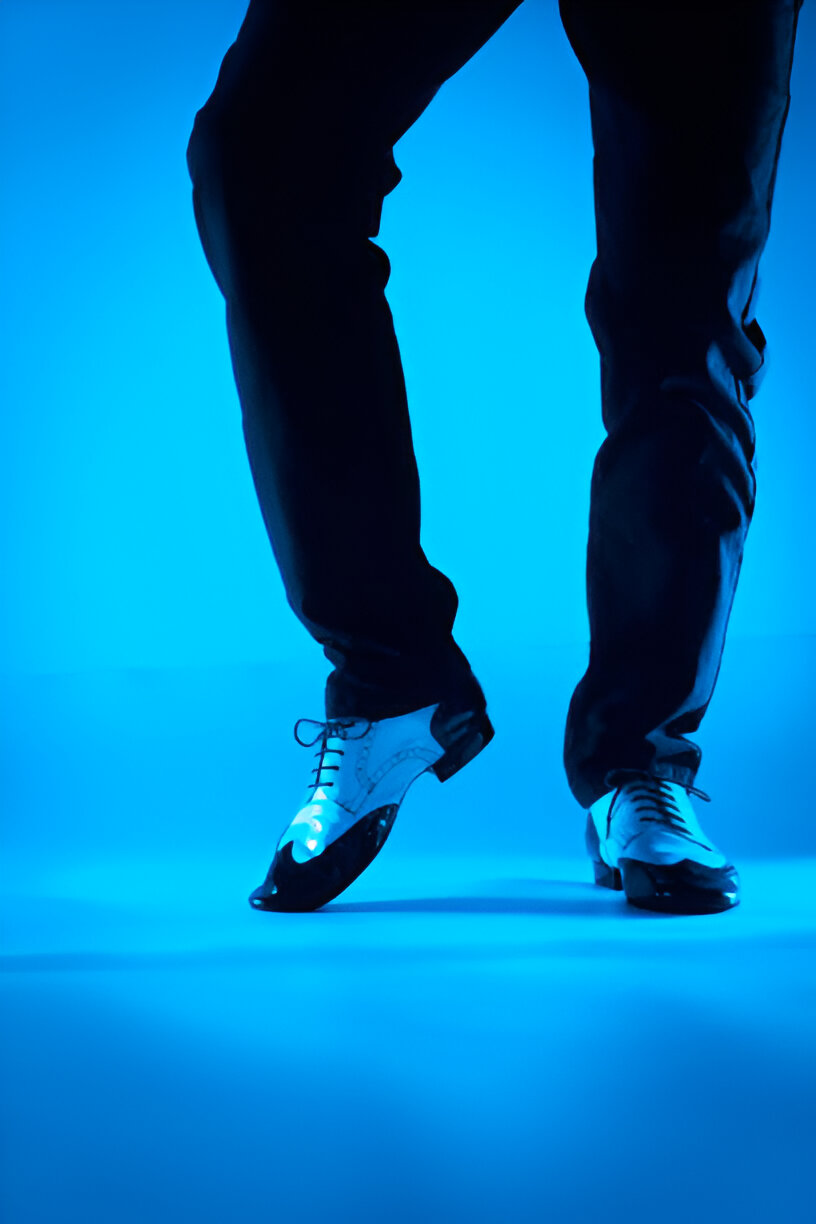
Finding the right foot attire is pivotal in any dancer’s journey, providing the necessary support, flexibility, and confidence to perform at one’s best. This becomes even more crucial when we talk about men’s dance shoes, as their design must accommodate the balance between agility and durability to withstand the varied demands of dance styles.
Understanding the Importance of Proper Dance Footwear
Before delving into the nuances of choosing men’s dance shoes, it’s important to understand why selecting the correct pair is so vital. Dance shoes are specifically designed to provide grip, cushion, and the ability to turn or glide smoothly across the dance floor without causing injury. They are crucial for both practice and performance, reducing the risk of slips and falls while also safeguarding the feet from the repetitive stress that dancing can impose.
Assessing the Various Styles of Men’s Dance Shoes
Men’s dance shoes come in an assortment of styles tailored to different dance genres. For instance, ballet shoes differ vastly from tap shoes in both form and function. A proper understanding of the type of dance you will be engaging in is essential before making a purchase. Ballet and contemporary dancers often opt for light shoes with good floor contact, while Latin and ballroom dancers need shoes that facilitate smooth footwork and turns.
Functionality Over Fashion: Prioritising Performance
While aesthetics might play some role in selecting dance shoes, functionality should always be the priority. Shoes must fit well, be flexible, and have the appropriate sole for the type of dance floor. Moreover, they should align with the body’s mechanics, promoting good posture and balance and meeting the physical requisites of the dance style.
Evaluating Material and Construction
Another significant factor is the material and construction of the dance shoes. Leather, for instance, is a popular choice due to its durability and the support it offers. Alternatively, canvas can be a lightweight option that allows the foot to breathe. Additionally, the construction must be robust, ensuring that the shoe retains its shape and provides the necessary support over time. High-quality stitching, a solid heel, and a secure fastening system are all indicative of well-made dance shoes.
Considering Fit and Comfort
A snug but comfortable fit is compulsory in dance shoes. They should be tight enough to offer support without constricting movement or causing discomfort. Emergency room visits due to dance-related injuries underscore the importance of well-fitting shoes that support the arch, protect the toes, and cushion the heel. It may be advisable to try on several sizes and styles to find the perfect fit, and consulting with experienced dancers or teachers is often beneficial.
Identifying the Right Sole
The choice of sole in dance shoes affects traction and the dancer’s ability to execute movements with precision. Suede soles, for example, are often recommended for ballroom dancing as they allow for smooth gliding while still providing enough grip. Rubber soles might be preferable for street dancing or dances requiring more aggressive footwork. The right sole supports not just the dancer’s performance but also the health and longevity of their feet and joints.
The Role of Heel Height and Shape
Not to be overlooked is the role of heel height and shape, which can dramatically alter balance and style. Heels are more common in Latin and ballroom dance shoes, helping to anchor the dancer and create an elegant line. Heel height must be such that it offers stability and does not compromise comfort. Furthermore, the shape—whether flared, slim, or cuban—can affect both balance and the visual aesthetics of the dance.
Flexibility and Support: Finding the Balance
The rigidity or flexibility of a dance shoe must strike a balance, providing enough support to prevent injury while allowing the foot to flex and articulate as required. Different dance styles demand varying levels of flexibility. For instance, tap shoes need a firmer sole for the sound and feel of the taps, while modern dancers might require a more pliant shoe to showcase complex footwork.
Adapting to Personal Needs and Preferences
While there are general guidelines for choosing men’s dance shoes, individual preferences and needs should also guide one’s choice. Factors such as foot shape, any pre-existing injuries, and the specific nuances of the dancer’s style and technique may mean that certain shoes are more suitable than others. It can sometimes be helpful to customise or adjust shoes for the best possible fit and performance.
Maintenance and Care for Dance Shoes
Once the optimal pair of dance shoes has been selected, properly maintaining them is crucial in extending their lifespan and ensuring ongoing performance. Regular cleaning, correct storage, and monitoring for wear and tear are all part of suitable shoe care. High-quality shoes may represent a more substantial initial investment, but with appropriate care, they can prove to be economical in the long term.
Conclusion: Making the Informed Choice
Choosing the right men’s dance shoes is a critical decision that impacts a dancer’s performance, style, and safety. It requires an understanding of the specific demands of the dance style, a careful assessment of the shoe’s construction, and the assurance of a good fit. Remembering to prioritise functionality over fashion, keeping in mind personal requirements, and committing to proper shoe care will result in a truly perfect step on the dance floor.
In summary, selecting the ideal men’s dance shoes is a process involving careful consideration and informed choices. By addressing all these aspects, dancers can ensure they have the footwear that not only complements and enhances their dance abilities but also protects them as they pursue their passion.
