



Key Takeaways
- Sustainable roofing significantly reduces energy costs and environmental impact.
- Various eco-friendly materials are available, from solar tiles to living roofs.
- Innovative practices in roofing can make homes more energy-efficient.
- Selecting the right contractor is crucial for successful implementation.
- The future of roofing includes technological advancements and sustainable innovations.
Introduction
In the face of escalating climate concerns, sustainable practices within industries have become imperative. The roofing industry, traditionally reliant on resource-intensive materials, increasingly embraces eco-friendly alternatives. Sustainable roofing involves choosing materials and practices that minimize environmental impact and offer economic and aesthetic benefits. This article explores the fundamentals of sustainable roofing, highlighting the advantages of choosing environmentally friendly options and outlining common materials and techniques.
Benefits of Eco-Friendly Roofing
Eco-friendly roofing provides numerous advantages, predominantly in energy efficiency and environmental conservation. Green roofing materials can significantly reduce cooling costs by reflecting more sunlight and absorbing less heat than conventional roofing. This means homeowners can experience a noticeable decrease in their energy bills. Sustainable roofing solutions are also pivotal in reducing carbon footprints, which is essential in combating global warming. Not only do they conserve energy, but these solutions also integrate into broader ecosystems by enhancing urban landscapes and improving air quality.
Moreover, adopting eco-friendly roofing can augment the lifespan of roofs. Materials like cool roofs reflect solar radiation, reducing thermal expansion and contraction—common culprits in roofing wear and tear. Ultimately, homeowners save money over the long run on repairs and replacements. Sustainable roofing also reduces urban heat islands, a growing concern in densely populated areas.
Popular Sustainable Roofing Materials
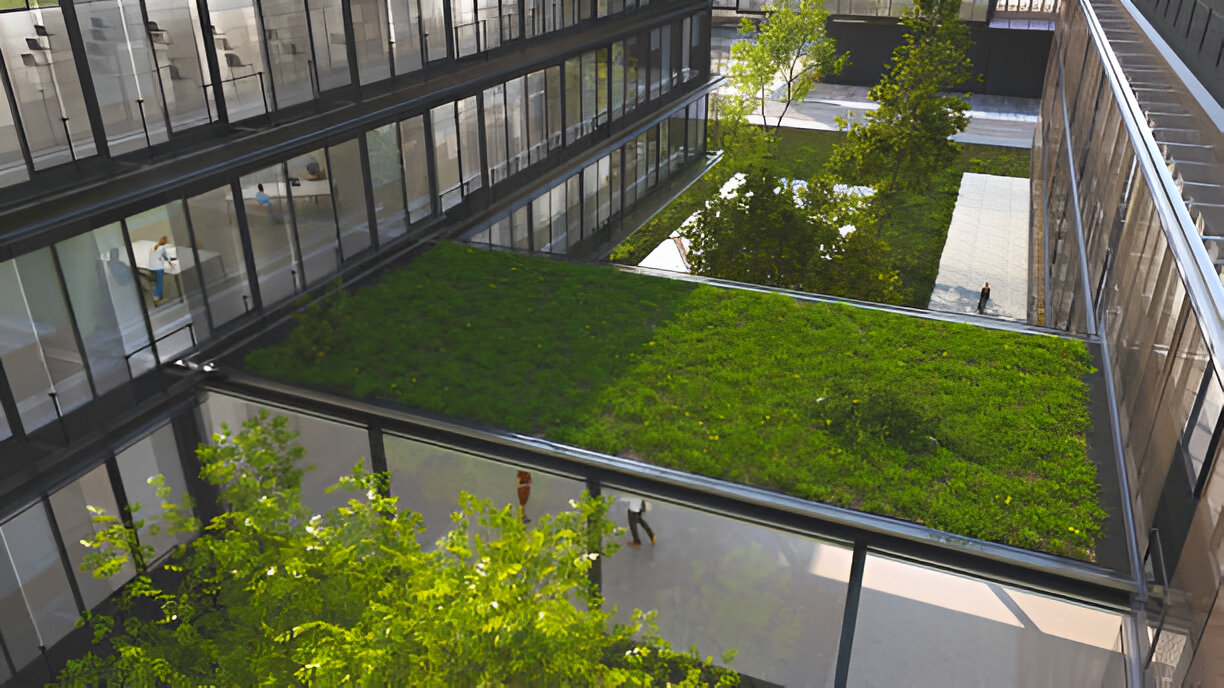
When transforming a roof into a more sustainable part of a home, choosing the right materials is essential. Solar tiles, for instance, blend traditional roofing materials with cutting-edge solar technology, offering renewable energy right on the rooftop. These tiles are aesthetically pleasing and reduce electricity bills by harnessing the sun’s power. Living roofs, or green roofs, involve covering a rooftop with vegetation. These innovative solutions provide excellent insulation, manage stormwater runoff, and create habitats for wildlife. Integrating nature into urban areas supports biodiversity and gives buildings a unique aesthetic appeal. Cool roofs often use reflective paint or shingles designed to reflect more sunlight and absorb less heat than a standard roof, lowering indoor temperatures. These roofs are particularly beneficial in warm climates, where reducing air conditioning demands can lead to significant energy savings.
Sustainable Roofing Practices
Implementing sustainable roofing requires more than just choosing the right materials. Practices such as recycling old roofing elements and sourcing local materials are essential steps in reducing a project’s environmental footprint. Utilizing materials available nearby reduces transportation emissions, further lowering a roofing project’s carbon impact. Incorporating energy-efficient design principles is another crucial aspect. Efficient installations, such as strategic ventilation systems, can maximize a roof’s sustainability. Correct installation ensures the materials last longer and perform better, enhancing the house’s energy efficiency. For instance, pairing sustainable roofing with energy-saving windows can decrease a home’s energy consumption by ensuring optimal temperature management. Regular maintenance also plays a vital role. Routine inspections and timely repairs prevent minor issues from escalating, prolonging the lifespan and efficiency of the sustainable roof.
Choosing the Right Contractor
Selecting a contractor with expertise in sustainable practices is paramount. Prospective clients should inquire about a contractor’s experience with eco-friendly materials and technologies and their certifications in sustainable construction. A well-chosen contractor can provide valuable insights into cutting-edge sustainable materials, ensuring the best possible implementation and long-term satisfaction.
The Future of Sustainable Roofing
Sustainable roofing continually evolves with technological advancements and innovative designs. The future holds promising trends, such as integrating innovative roofing technology to manage and optimize energy consumption automatically. These advancements will further enhance the efficiency of sustainable roofing systems. Governments and regulatory bodies are also pivotal in setting standards and providing incentives for eco-friendly construction practices, encouraging more property owners to consider sustainable options.
Conclusion
Sustainable roofing is an essential component of modern eco-friendly building strategies. It offers significant benefits, from reducing energy bills to fostering biodiversity in urban settings. Property owners invest in their buildings’ longevity and efficiency by choosing environmentally responsible materials and practices and contributing positively to the environment. As technology and societal awareness advance, sustainable roofing will continue to be at the forefront of efforts to create a greener, more sustainable future for our communities.
