



Key Takeaways:
- Learn how innovative printing solutions can transform office productivity.
- Discover practical tips for choosing the right printing technology.
- Explore the economic and environmental benefits of modern printing.
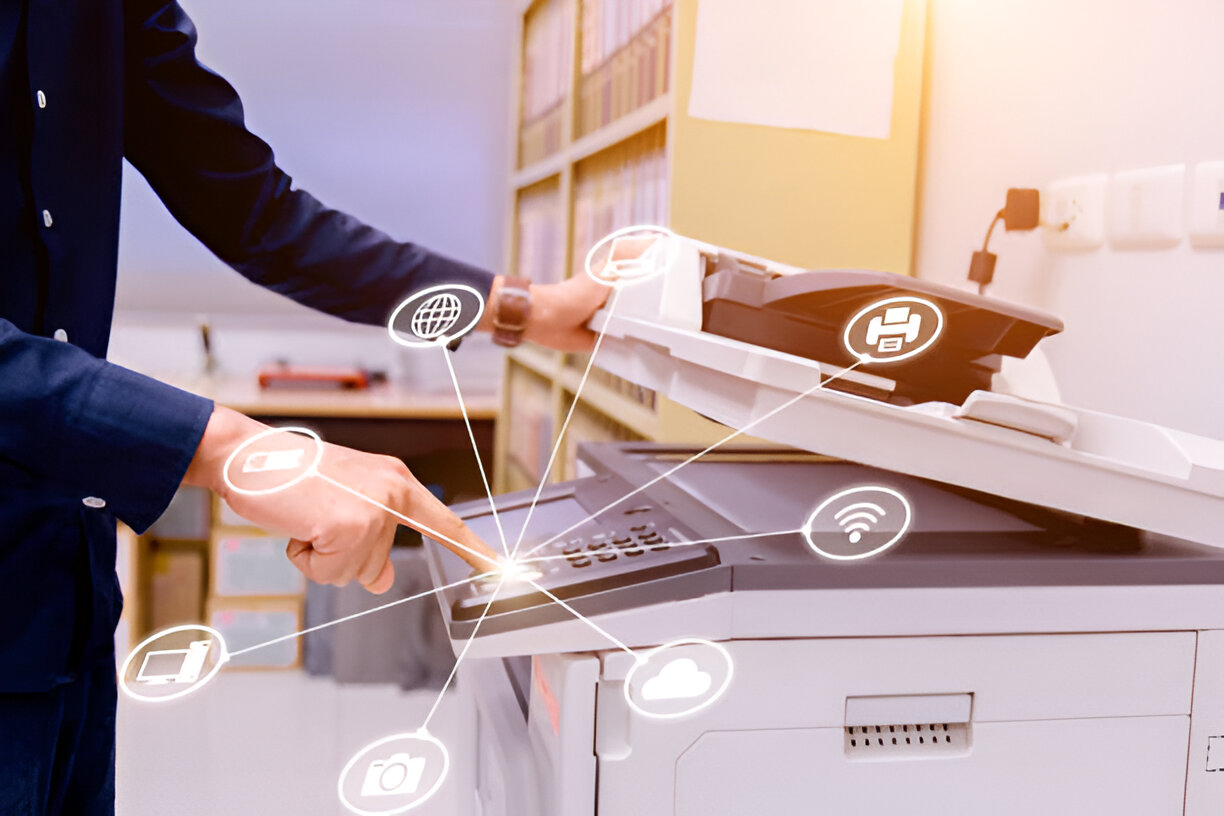
Innovative printing solutions enhance office efficiency by reducing waste, automating workflows, and improving document management. Features like wireless connectivity, cloud integration, and cost-effective printing streamline daily tasks. By adopting advanced printing technology, businesses can boost productivity, minimize downtime, and maintain a more organized and eco-friendly workplace.
Introduction
In today’s fast-paced work environments, efficient printing solutions are a cornerstone in maintaining seamless productivity and minimizing operational disruptions. Whether managing a bustling office in the Tri-Cities or operating in any other region, integrating innovative printing technologies has proven instrumental in optimizing workflows. Many traditional offices face challenges such as escalating operational costs due to inefficient print management, wasted time on cumbersome manual tasks, and increasing environmental pressures. However, these hurdles can be effectively tackled by employing strategic printing solutions tailored to modern office demands.
Choosing the Right Printer for Your Office
The choice of printer depends on the type and functionalities available. Inkjet printers are ideal for high-quality color prints but may cost more ink. Laser printers offer cost efficiency and speed for high-volume outputs. Multifunction printers (MFPs) integrate printing, scanning, copying, and sometimes fax functions, providing a streamlined solution for businesses handling diverse tasks. When choosing a printer for office use, factors include expected print volume, connectivity options, and financial constraints. Small businesses may opt for wireless inkjet options for flexibility, while larger corporations might opt for laser printers for high-capacity output.
Enhancing Productivity with Smart Printing
Modern printer technology has emphasized the importance of automation and seamless integration within office software systems. Innovative printing technologies create automated print queues, allowing employees to focus on strategic tasks without manual intervention. This frees up time and reduces human error. Automating double-sided printing and document sorting can reduce clutter and chaos in offices. Innovative printers also reduce repetitive manual tasks, minimizing workflow bottlenecks. Paper consumption is significantly decreased, and time and effort are saved with automatic duplex printing, which prints on both sides of the page. This aligns with the need for streamlined processes, improving efficiency and output quality. The time saved from eliminating manual sorting and paper flipping leads to tangible productivity gains, indicating the need for businesses to embrace innovative technologies.
Cost-Effective Printing Practices
Print management software is gaining popularity among businesses to optimize their printing practices. It provides detailed analytics and reports on print usage, enabling organizations to track consumption patterns and identify waste areas. Corrective actions, such as print regulations or quotas to restrict excessive printing, can be implemented using this information. Monitoring and analyzing print behavior reduces unnecessary expenses and fosters a culture of accountability. Efficient printing practices lead to better resource allocation, ensuring offices allocate budget and materials wisely. Implementing rules like default monochrome printing for internal documents allows color ink to be reserved for critical presentations and marketing collateral. This controlled usage leads to operational savings and supports sustainability goals.
Environmental Benefits of Modern Printers
Today’s printers are equipped with eco-friendly features to reduce their ecological footprint, making sustainability a goal for businesses. Manufacturers have introduced energy-saving modes, recyclable cartridges, and refill programs to minimize waste. Features like duplex printing and economy settings help conserve resources while maintaining quality. These efforts resonate with a growing consumer base that values corporate responsibility and environmental stewardship. One corporation demonstrated how implementing energy-efficient printers significantly reduced annual carbon emissions. This example illustrates how companies can use thoughtful office equipment selections to support the global shift towards sustainable practices.
Future Trends in Office Printing
Printing technology is undergoing significant advancements, including cloud-based printing and mobile integration, which offer greater flexibility for companies. These advancements enable employees to send print jobs from various locations and devices, supporting remote work environments and hybrid models. Cloud printing solutions simplify printing and increase accessibility, positioning businesses to stay competitive. As office technology evolves, so does the need for stringent data security measures. Modern printers incorporate advanced features like encryption and secure access protocols to safeguard sensitive information and protect businesses from potential data breaches. These enhanced security measures demonstrate a forward-thinking approach to technology and responsible business practices.
Common Challenges and Solutions
Despite advancements, printers face technical issues like connectivity problems and paper jams. Regular troubleshooting and maintenance can help mitigate these disruptions. Offices should follow structured maintenance routines, such as cleaning and updating printer drivers. Resources like TechRadar offer practical solutions to these challenges, ensuring efficiency and quick resolution of any issues.
Steps for Implementing a Smart Solution
- Assess current printing needs and future demands to identify gaps that prevent optimal operations.
- Research comprehensive printing technologies that align with your objectives and offer the best return on investment.
- Emphasize training for users, establishing best practices to ensure a smooth transition to innovative printing strategies.
Conclusion
Integrating innovative printing solutions into office environments presents various advantages, including productivity boosts, economic savings, and environmental sustainability. Proactively examining your current printing setup streamlines operations and fosters a future-ready office environment. By adopting modern printing technologies, businesses can enhance their strategic output, ensuring they remain agile and effective in a rapidly changing digital landscape.
