



Key Takeaways
- Emphasis on sustainable and eco-friendly building materials.
- Integration of advanced smart home technologies.
- Designing multifunctional spaces to accommodate diverse needs.
- Seamless indoor-outdoor living experiences.
- Incorporation of wellness-focused design elements.
Table of Contents
- Introduction
- Sustainable Building Materials
- Smart Home Integration
- Multifunctional Spaces
- Indoor-Outdoor Living
- Wellness-Focused Design
- Personalized Interior Design
- Energy Efficiency
- Conclusion
Introduction
In today’s rapidly shifting world of home design, keeping pace with evolving trends is essential for anyone planning to build or renovate. As we approach 2025 and look beyond, the custom home industry continues to be shaped by sustainability, advanced technology, and personalized, wellness-driven spaces. Homeowners increasingly seek professional partners, such as NexGen Construction, to ensure their new builds and renovations are functional, stylish, and future-proofed with the newest innovations and timeless practicality. Working with experienced professionals gives homeowners confidence that their vision will become a reality while maximizing value, comfort, and efficiency.
Custom home features are evolving to cater to the needs of today’s homeowners, who demand sustainability, multi-purpose living, intelligent automation, and interiors that promote health and well-being. These preferences include eco-conscious materials, flexible spaces, cutting-edge technology, and thoughtful touches that make homes sanctuaries for families. This redefines creating a beautiful, comfortable, efficient, and personalized home.
Sustainable Building Materials
Eco-friendly construction materials are becoming a standard in custom homes, with builders and renovators increasingly considering their environmental impact. Options like reclaimed wood, bamboo, recycled metals, and low-VOC paints reduce a home’s carbon footprint and create healthier indoor environments. Advanced green building methods, such as carbon-neutral concrete and super-insulated panel systems with high recycled content, are gaining popularity. These measures are crucial for ecological stewardship, long-term property value, and occupant well-being. Homes built or upgraded with sustainability tend to be more durable, easier to maintain, and adaptable to future energy and climate demands, making them a long-term investment.
Smart Home Integration
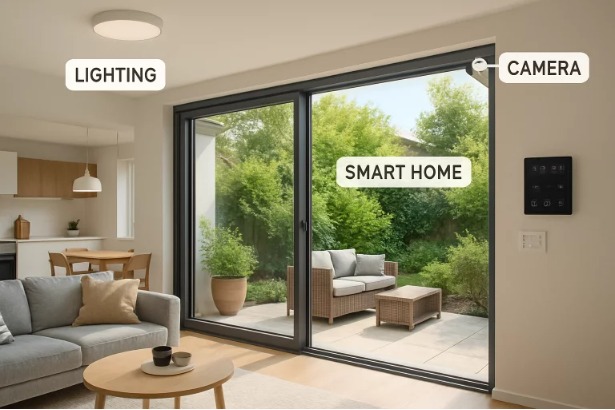
Smart home technology is now a standard in new builds and renovations, encompassing voice-controlled lighting, whole-home surveillance, alarm systems, automated window shades, and app-controlled appliances and irrigation. Modern homes use centralized smart hubs to connect devices, allowing homeowners to customize routines, reduce energy consumption, and improve safety. These advanced technologies enable real-time monitoring, enhancing security, comfort, and convenience. As smart homes evolve, possibilities expand, offering touchless entry systems, customizable energy management solutions, and user-friendly interfaces, making everyday living easier and more enjoyable.
Multifunctional Spaces
The recent shift towards hybrid work, remote schooling, and the need for flexible living arrangements has fundamentally changed how we view our homes. Multifunctional spaces have become a critical design element for modern families. Dedicated home offices often double as guest rooms or creative studios, and open-concept living areas are designed to seamlessly shift between a family gathering place, fitness zone, or children’s playroom. Innovative storage solutions—like built-in cabinets, under-stair shelving, fold-away desks, and Murphy beds—enable maximum use of every square foot. Beyond efficiency, these adaptable layouts help a home “grow” alongside life’s changes, whether accommodating a new baby, a returning college student, or visiting relatives. As a result, customizing rooms for flexibility now adds comfort, longevity, and actual usability, reflecting the need for homes that keep pace with the rhythms of modern families.
Indoor-Outdoor Living
Pursuing year-round comfort and connection to nature fuels demand for seamless indoor-outdoor living. Modern custom homes blur boundaries with oversized sliding or folding glass doors that open interior living spaces to patios, decks, or lush gardens. These connections foster natural light, improved airflow, and an enhanced sense of spaciousness. Features like covered terraces, dining pavilions, outdoor fireplaces, kitchens, and weatherproof furniture extend the usability of these spaces across all seasons. Integrated landscaping and thoughtful architectural planning ensure that each outdoor extension feels purposeful and inviting. By bringing the outside in, or vice versa, homeowners add significant value, create stunning entertainment zones, and enjoy a lifestyle centered on fresh air and tranquility. For inspiration on merging indoor and outdoor design, visit this Homes & Gardens article featuring creative, real-life examples.
Wellness-Focused Design
As the importance of health and wellness continues to resonate, new builds and remodels are now crafted with occupant well-being at the forefront. Integrating advanced air purification and water filtration systems ensures better indoor air and water quality, while thoughtfully designed sound barriers and acoustic panels promote tranquility. Circadian lighting technologies, which mimic natural daylight, are increasingly used to enhance sleep and boost mood by supporting our natural rhythms. Spa-inspired bathrooms equipped with rain showers, soaking tubs, and aromatherapy offer daily relaxation rituals. Custom yoga studios, meditation alcoves, and fully outfitted home gyms encourage an active, balanced lifestyle. Collectively, these features transform the home into a sanctuary that supports the physical, mental, and emotional wellness of everyone who lives there.
Personalized Interior Design
Distinctive, tailored design has come to define true luxury in the custom home market. Instead of cookie-cutter finishes, homeowners crave personalized interiors that reflect their style and tastes. Unique statement lighting, textured accent walls, artist-crafted tile backsplashes, and one-of-a-kind furnishings result in unmistakably personal spaces. Architectural details such as floating staircases, bold archways, and hand-hewn wood beams add drama and warmth, becoming conversation pieces that set a home apart. Personalization goes beyond aesthetics, too—it creates a sense of belonging, ownership, and lasting value, ensuring that every space feels just right for its inhabitants. From custom millwork to curated art collections, homeowners have endless opportunities to express themselves through design choices big and small.
Energy Efficiency
With global awareness about resource use growing, efficiency has become a priority rather than an add-on for homeowners planning to build or renovate. Modern advancements such as triple-paned windows, high-performance insulation, tankless on-demand, and ENERGY STAR®-rated appliances are typically supported in custom home specs. Solar energy systems, battery backups, and smart meters help many properties approach—or achieve—net-zero energy consumption. Automated shading, zoned HVAC systems, and heat recovery ventilators further reduce utility bills and lower environmental impact. By investing in these energy solutions, today’s homeowners safeguard future property value, meet higher building standards, and actively contribute to a more sustainable world. Energy-efficient homes are also more comfortable and resilient, providing consistent temperatures, lower operating costs, and peace of mind against fluctuating utility rates.
Conclusion
As today’s homeowners and construction experts look to the future, embracing the latest custom home building and renovation trends ensures every project is forward-thinking and ready for the changing world. By prioritizing eco-friendly construction, smart technology, flexible design, and holistic wellness, while taking inspiration and professional direction from companies, it’s possible to create homes that are as resilient as they are beautiful. Modern custom homes offer more than shelter—they represent a new standard for sustainable, comfortable, and uniquely personalized living environments that will stand the test of time.
