



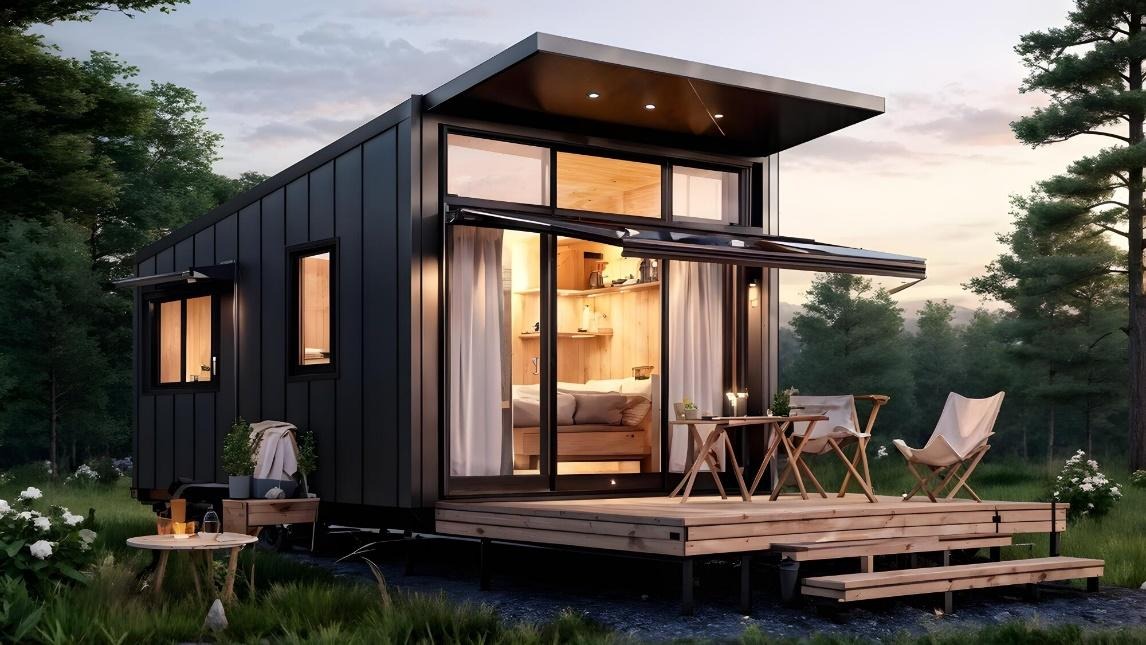
Building sustainable homes is no longer just a trend-it’s a necessity. As the world faces environmental challenges, homeowners and builders are seeking ways to reduce carbon footprints and create energy-efficient spaces.
By integrating smart design strategies, we can make our homes more eco-friendly and cost-effective. Let’s explore some innovative design strategies that can help make homes more sustainable.
Smart Use of Natural Light
One of the simplest and most effective strategies is to maximize natural light. By designing homes with large windows, skylights, and glass doors, we can reduce the need for artificial lighting during the day. This not only cuts down on energy use but also creates bright and inviting spaces.
South-facing windows, in particular, can capture more sunlight, making rooms warmer in winter and reducing heating needs. Adding features like light shelves and reflective surfaces can distribute natural light deeper into the home, saving energy and money.
Energy-Efficient Insulation
Good insulation is key to a sustainable home. It helps maintain comfortable temperatures year-round without excessive heating or cooling. Modern insulation materials like spray foam, cellulose, or recycled denim can seal gaps and prevent air leaks.
These materials are often more effective than traditional insulation and can be made from recycled products, reducing waste. Crescent Builds uses such advanced insulation methods to enhance energy efficiency and sustainability. Adding insulation to walls, floors, and roofs also helps create a quieter and more comfortable indoor environment.
Water Conservation Features
Sustainable homes should also focus on conserving water. Low-flow faucets, dual-flush toilets, and efficient showerheads can significantly reduce water consumption. Rainwater harvesting systems collect water from roofs and store it for gardening or other non-drinking uses.
Greywater recycling systems reuse water from sinks and showers for irrigation. These features not only save water but also reduce utility bills. Landscaping with native plants also helps cut water use, as these plants require less irrigation.
Renewable Energy Sources
Solar panels are a popular choice for homeowners looking to embrace renewable energy. They can power lights, appliances, and even heating systems. In some areas, excess energy can be sold back to the grid, creating extra income or credits.
Wind turbines and geothermal systems are other renewable options that can work well depending on location. Integrating these systems into the home’s design ensures a cleaner, greener energy supply. Homeowners can also explore battery storage solutions to store solar energy for use at night or during cloudy days.
Sustainable Building Materials
Choosing sustainable materials is essential for reducing a home’s environmental impact. Reclaimed wood, bamboo, recycled metal, and even straw bales can be used in construction. These materials are not only eco-friendly but also add unique character to a home.
They often have a smaller carbon footprint compared to traditional options like concrete or brick. Using non-toxic paints, sealants, and adhesives also improves indoor air quality, making homes healthier for families.
All About Design Strategies for Sustainable Homes
Building sustainable homes is an important step for the future. Innovative design strategies help reduce energy use and lower bills. Using natural light, efficient insulation, and renewable energy makes homes more eco-friendly.
Choosing sustainable materials supports a healthier planet. Let’s work together to create homes that are both comfortable and kind to the environment.
Looking for more tips and ideas? We’ve got you covered. Check out some of our other posts now.
